
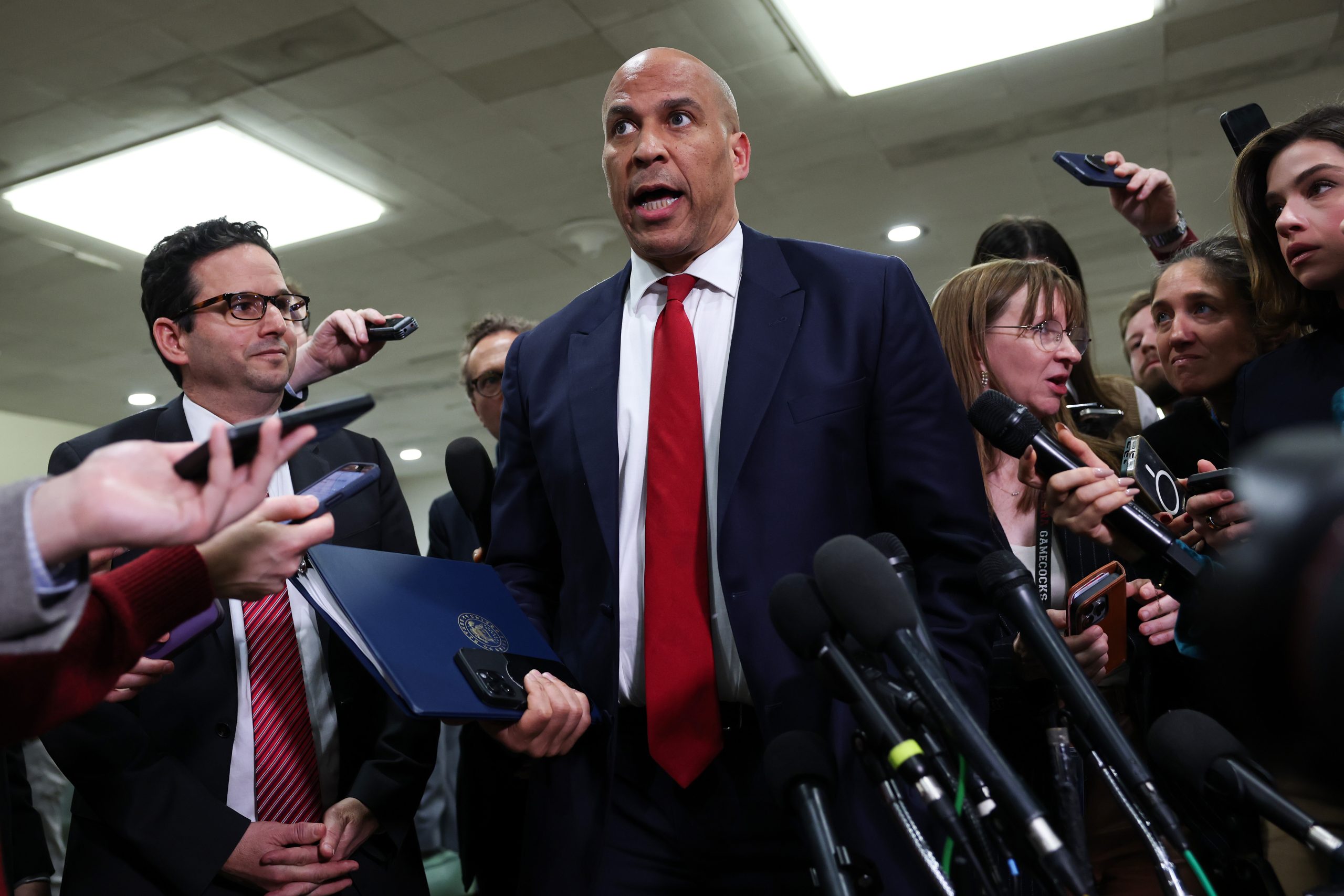
The Democratic Party is currently grappling with a potentially seismic shift in its economic strategy: a push for massive tax cuts aimed squarely at the middle class. Spearheaded by prominent figures like Senators Chris Van Hollen and Cory Booker, these proposals, while seemingly populist, are sparking debate about their long-term feasibility and potential consequences. Is this a bold move to win over voters, or a fiscally irresponsible gamble with the nation’s economic future?
The Proposals: A Closer Look
Senators Van Hollen and Booker, both rumored to be eyeing the 2028 presidential race, have introduced plans that would significantly reduce, or even eliminate, federal income taxes for a large swathe of the American population. Van Hollen’s proposal would exempt individuals earning less than $46,000 and married couples earning less than $92,000 from federal income taxes. Millions earning above these thresholds would also receive notable tax breaks. Booker’s plan proposes exempting the first $75,000 of income from federal taxation for all Americans. Both senators intend to finance these tax cuts by increasing taxes on the wealthiest Americans, a familiar Democratic refrain.
A Risky Proposition? Potential Pitfalls
While the idea of tax cuts for the middle class is undoubtedly appealing, critics are raising concerns about the potential impact on the national debt and the overall economy. The scale of these proposed tax cuts – potentially reaching trillions of dollars – necessitates a careful examination of the funding mechanisms. Relying solely on increased taxes for the wealthy may not be sufficient, and could trigger unintended consequences such as capital flight or reduced investment. Furthermore, some economists question whether such significant tax cuts would truly stimulate the economy or simply fuel inflation.
The proposals also raise questions about the long-term stability of crucial government programs that are funded through tax revenue. A significant reduction in the tax base could necessitate cuts to essential services or further increases in the national debt, both of which could have detrimental effects on the economy and the well-being of citizens.
A Calculated Risk or Political Expediency?
These tax cut proposals are undoubtedly politically motivated. They offer a tangible benefit to middle-class voters, potentially swaying support in future elections. They also align with the Democratic Party’s traditional focus on economic fairness and reducing income inequality. However, the long-term economic implications of these proposals must be carefully considered.
As the debate unfolds, it remains to be seen whether the Democrats can successfully navigate the complex fiscal challenges and convince voters that these massive tax cuts are a viable and responsible path forward. The coming months will be crucial in determining whether this bold strategy will ultimately prove to be a triumph or a costly misstep.
Based on materials: Vox



