
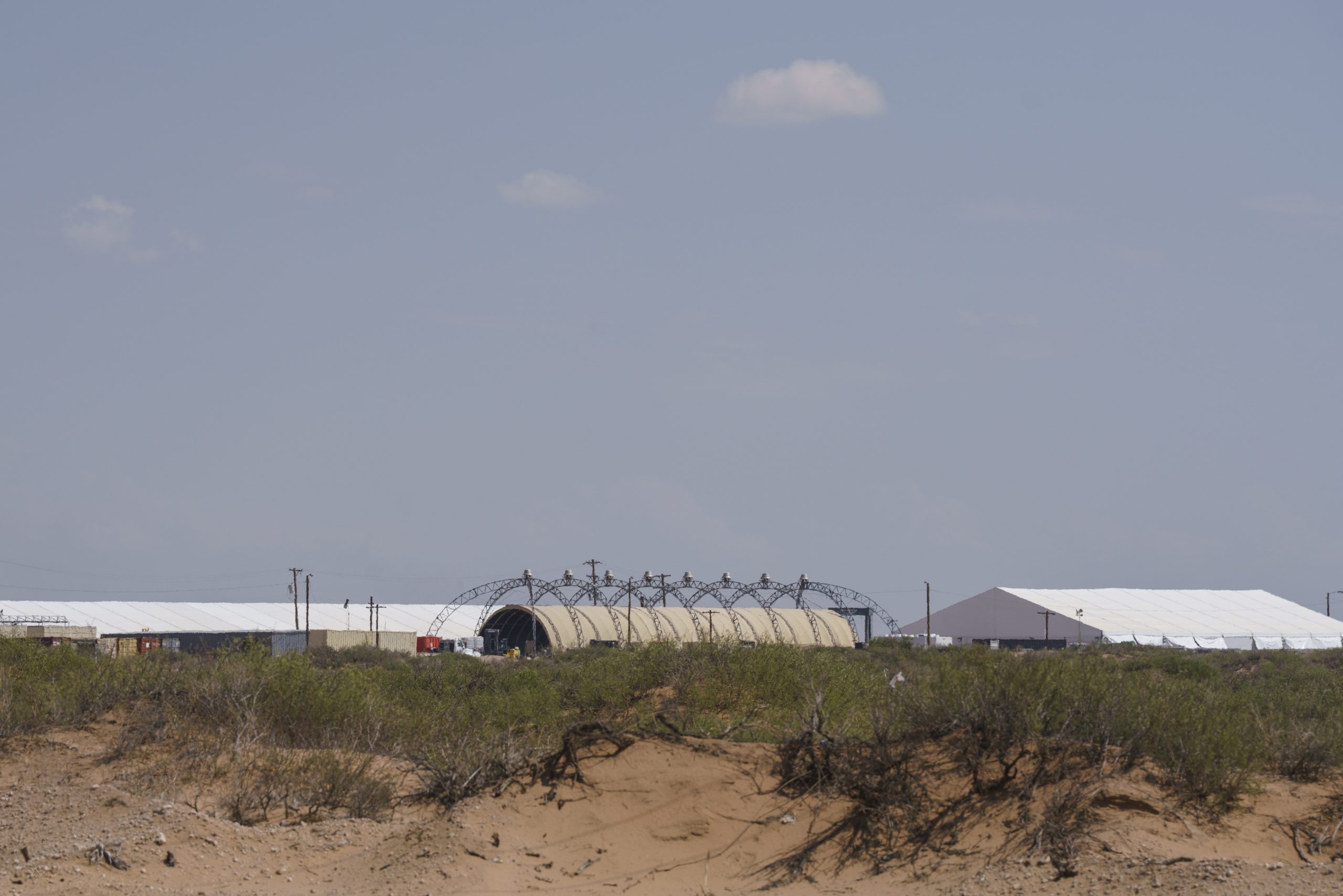
ICE Custody Deaths Surge, Raising Alarms Over Detention Conditions
A disturbing trend is unfolding within the network of detention facilities overseen by U.S. Immigration and Customs Enforcement (ICE): a sharp increase in the number of deaths reported in custody. The recent death of 19-year-old Royer Perez-Jimenez, a Mexican national, has amplified concerns about the conditions and oversight within these facilities, bringing the total reported deaths this year to at least 13, with the year not even three months complete. This alarming figure underscores the need for immediate scrutiny and reform.
A Troubling Pattern of Loss
Perez-Jimenez’s death, ruled a “presumed suicide” by ICE, is just one data point in a larger, deeply concerning trend. His passing occurred shortly after the death of Mohammad Nazeer Paktiawal, an Afghan refugee who had previously aided U.S. forces in Afghanistan. Paktiawal was reportedly apprehended by immigration agents while dropping his children off at school, highlighting the often-harsh realities faced by individuals navigating the complex U.S. immigration system.
These deaths, while distinct in their circumstances, share a common thread: they occurred while individuals were under the care and responsibility of the U.S. government. This raises fundamental questions about the adequacy of medical care, mental health support, and overall living conditions within ICE detention facilities. The spike in deaths suggests potential systemic failures that demand immediate investigation.
Calls for Transparency and Accountability
The rising death toll has sparked renewed calls for greater transparency and accountability within ICE’s detention system. Critics argue that the agency’s lack of transparency makes it difficult to assess the true extent of the problem and implement necessary reforms. There are also concerns about the potential for inadequate medical care, insufficient mental health services, and the overall dehumanizing conditions within some facilities.
The situation demands a comprehensive review of ICE’s policies and practices, including:
*
Improved Medical and Mental Health Screening:
Ensuring that detainees receive thorough medical and mental health evaluations upon arrival and throughout their detention.
*
Enhanced Oversight and Accountability:
Implementing independent oversight mechanisms to monitor conditions within detention facilities and investigate all deaths.
*
Increased Transparency:
Providing greater access to information about deaths in custody, including the causes and circumstances surrounding them.
Conclusion: A Moral Imperative
The surge in deaths within ICE custody is a serious issue that demands immediate attention. As a nation that prides itself on upholding human rights, the United States has a moral imperative to ensure the safety and well-being of all individuals in its care, regardless of their immigration status. Addressing this crisis requires a commitment to transparency, accountability, and meaningful reform within the ICE detention system. Failure to do so will only perpetuate a cycle of preventable deaths and erode the nation’s standing as a beacon of justice and human rights.
Based on materials: Vox



