
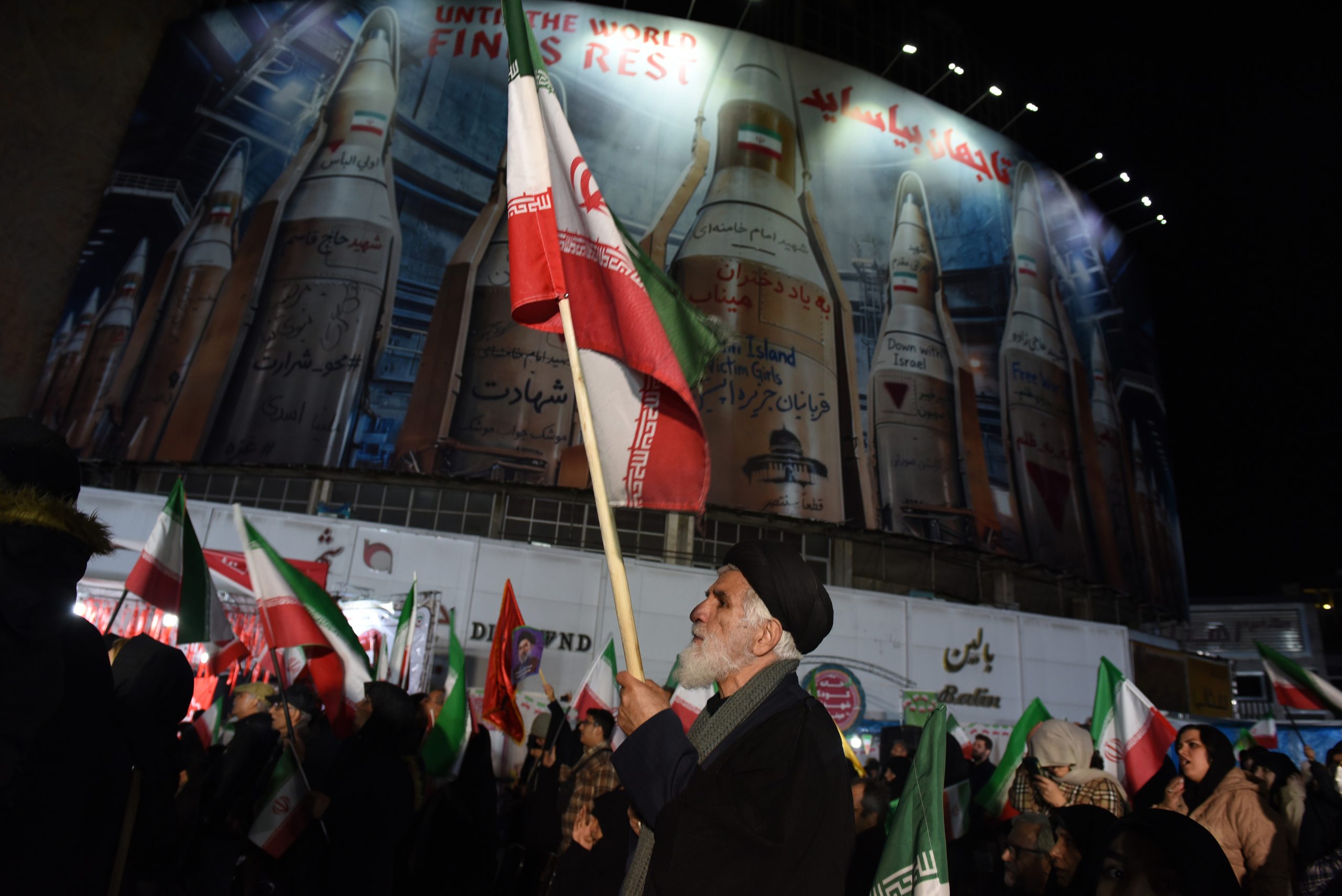
Iran “Forever War”? US Policy Shifts Spark Concern
The Trump administration’s evolving objectives regarding Iran have sparked anxieties about a potentially endless conflict, raising questions about the long-term stability of the region and the true aims of U.S. foreign policy. What began with ambitious rhetoric of regime change has seemingly narrowed to a more ambiguous goal: ensuring Iran can “no longer pose a military threat.” This shift, coupled with the lack of a clear definition of what constitutes such a threat, has fueled fears of a protracted and ultimately unwinnable engagement.
From Regime Change to Threat Reduction: A Shifting Landscape
Initially, the Trump administration’s stance on Iran was characterized by calls for regime change, even with the President suggesting a role in selecting the next Supreme Leader. This aggressive approach, however, lacked a clear strategy for achieving these ambitious goals. Air campaigns have historically proven ineffective in toppling regimes, and the prospect of deploying ground troops has been widely dismissed in Washington. Now, the focus seems to have shifted to neutralizing Iran’s military capabilities. However, the vagueness surrounding this objective raises serious concerns.
What specific actions or capabilities would constitute the elimination of a military threat? Without concrete benchmarks, the potential for an open-ended commitment looms large. This ambiguity allows for a constantly shifting definition of success, potentially trapping the U.S. in a cycle of escalating tensions and military actions without a clear exit strategy.
Echoes of the Past: The Perils of Undefined Objectives
The current situation evokes historical parallels to other protracted conflicts where ill-defined objectives led to prolonged and costly engagements. The lack of a clear endgame risks repeating these mistakes, draining resources, and potentially destabilizing the region further. While some officials in the U.S. and Israel remain optimistic about the possibility of internal pressures leading to regime change, relying on such hopes without a concrete plan is a risky gamble. The example of Serbian dictator Slobodan Milošević is offered as a potential model, but the geopolitical contexts are vastly different.
The Path Forward: Clarity and Diplomacy Needed
The evolving U.S. policy toward Iran demands greater clarity and strategic foresight. Defining the specific parameters of what constitutes a “military threat” is crucial to establishing achievable goals. Furthermore, exploring diplomatic avenues and engaging in meaningful dialogue with Iran, even amidst tensions, remains essential to de-escalate the situation and prevent a descent into a “forever war.” Without a well-defined strategy and a willingness to engage in diplomacy, the risk of a protracted and ultimately detrimental conflict looms large, impacting not only the region but also global stability.
Based on materials: Vox



