
War as Content? White House’s Bizarre Iran Conflict Memes
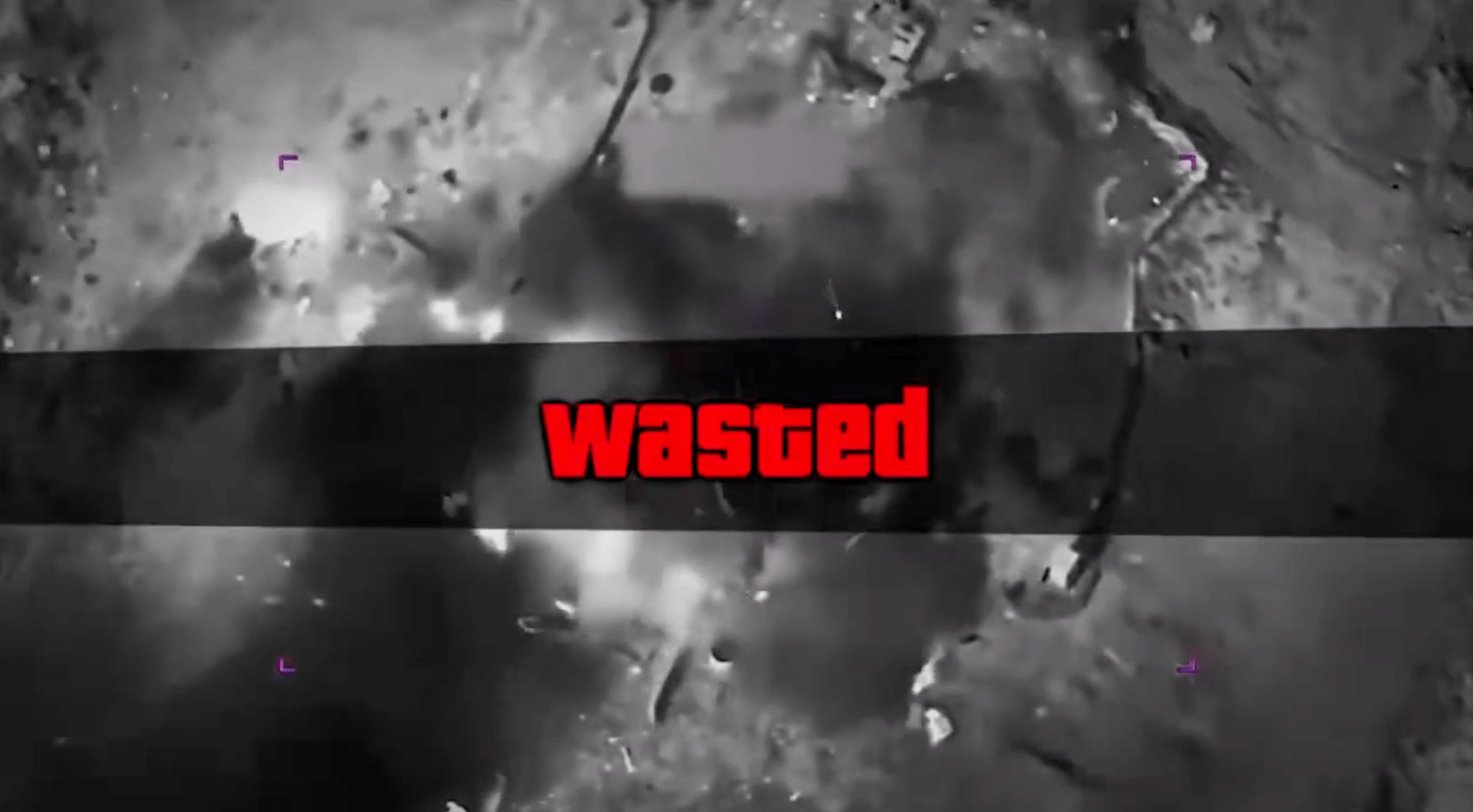
In an unprecedented move that blurs the lines between geopolitical conflict and internet culture, the White House has been posting videos on social media depicting the U.S. military’s actions in the ongoing war with Iran. These aren’t your typical somber updates from the front lines; instead, they’re a jarring mix of actual combat footage, clips from video games, sports highlights, and even scenes from Hollywood movies, all seemingly designed for maximum virality. But is this a savvy strategy to rally support, or a dangerous trivialization of war?
“Operation Epic Fury”: Gamifying Geopolitics
The videos, often captioned with phrases like “JUSTICE THE AMERICAN WAY,” present a sanitized and arguably glorified view of the conflict. One post, titled “Operation Epic Fury,” lists objectives like “Destroy Iran’s missile arsenal,” “Destroy their navy,” and “Ensure they NEVER get a nuclear weapon,” culminating with the ominous declaration “Locked in.” The White House claims these videos are intended to showcase the U.S. military’s success. However, the chosen format raises serious questions about the ethics and potential consequences of presenting war as entertainment.
Propaganda Reimagined (or Devolved?)
Propaganda has always been a tool of war, used to sway public opinion and demonize the enemy. But the White House’s approach represents a significant departure from traditional methods. Instead of carefully crafted narratives and appeals to patriotism, we see a reliance on internet memes, video game aesthetics, and pop culture references. Nick Cull, a professor at the USC Annenberg School for Communication and Journalism, notes that while propaganda is not new, the unserious tone employed here is noteworthy. The danger lies in the potential to desensitize the public to the realities of war, reducing complex geopolitical issues to easily digestible, albeit simplistic, content.
A Risky Gamble with Serious Repercussions
The White House’s foray into meme-driven war coverage is a risky gamble. While it may resonate with certain segments of the population, particularly younger audiences accustomed to consuming information in short, engaging formats, it also risks alienating others who find the trivialization of war offensive. Moreover, it could be perceived as a sign of disrespect to the lives lost and the human cost of conflict. The long-term consequences of this approach remain to be seen, but it undoubtedly marks a significant shift in how governments communicate about war in the digital age.
In a world saturated with information, attention is a valuable commodity. But when that attention comes at the expense of genuine understanding and a nuanced perspective on complex global events, the price may be too high.
Based on materials: Vox



