
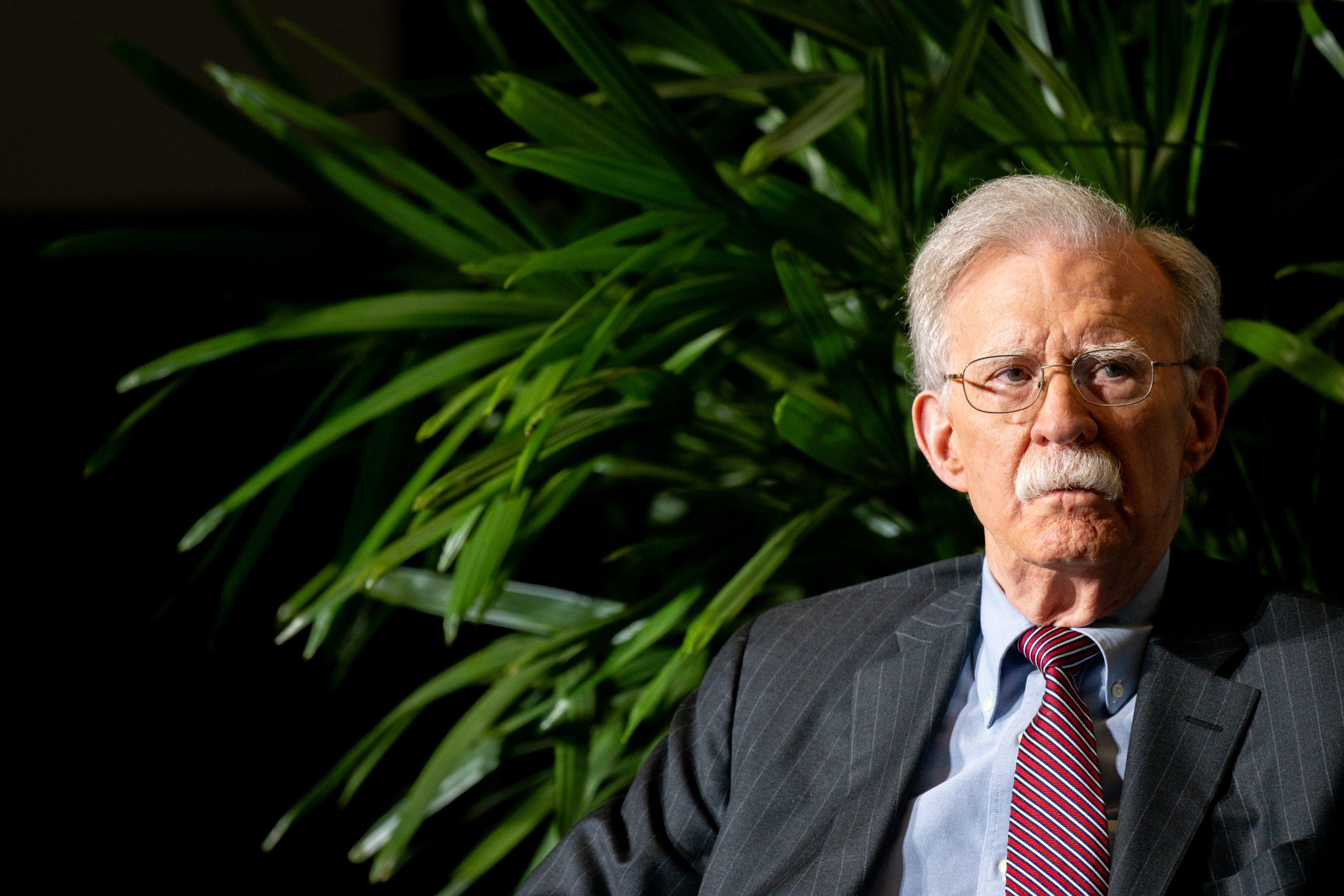
Bolton Breaks Ranks: Hawks Warn Against Rushing Iran War
For decades, John Bolton has been synonymous with a hawkish stance on Iran, advocating for regime change and proactive U.S. military involvement. Yet, in a surprising twist, the former National Security Advisor is now cautioning against a potential war with Iran, highlighting a growing divide even among staunch conservatives on the issue. This shift raises critical questions about the current administration’s approach to Iran and the potential consequences of escalating tensions.
From War Hawk to Cautious Critic
Bolton’s credentials as an Iran hawk are well-established. Serving as U.S. Ambassador to the United Nations under George W. Bush and later as National Security Advisor to Donald Trump, he has consistently pushed for a more aggressive policy towards Tehran. His falling out with Trump and subsequent criticism of the former president, including facing indictment by the Justice Department, adds an interesting layer to his current stance. This divergence suggests that even individuals with deeply entrenched hawkish views recognize the potential pitfalls of a hasty military intervention.
What’s Behind the Hesitation?
While the specifics of Bolton’s reasoning aren’t explicitly detailed in the source material, his cautionary stance likely stems from a combination of factors. The potential for a protracted and costly conflict, the destabilizing effects on the region, and the lack of a clear exit strategy are all valid concerns that even seasoned hawks might consider. Furthermore, the current political climate, both domestically and internationally, may also influence his perspective. The erosion of international support for military action and the growing domestic fatigue with foreign entanglements could be contributing to his reservations.
A Sign of Shifting Sands?
Bolton’s break with the prevailing hawkish narrative underscores a potential shift in the broader debate surrounding Iran. His voice, traditionally aligned with interventionist policies, now joins a chorus of voices urging caution and restraint. Whether this represents a significant turning point in U.S. foreign policy remains to be seen. However, it undeniably adds complexity to the discussion and highlights the diverse range of perspectives, even within traditionally hawkish circles, regarding the best course of action in dealing with Iran.
In conclusion, John Bolton’s surprising dissent serves as a potent reminder that even the most ardent proponents of a hardline stance can harbor reservations about the prospect of war. This development should prompt a critical re-evaluation of the potential consequences of military intervention and encourage a more nuanced and cautious approach to U.S. policy towards Iran.
Based on materials: Vox



