
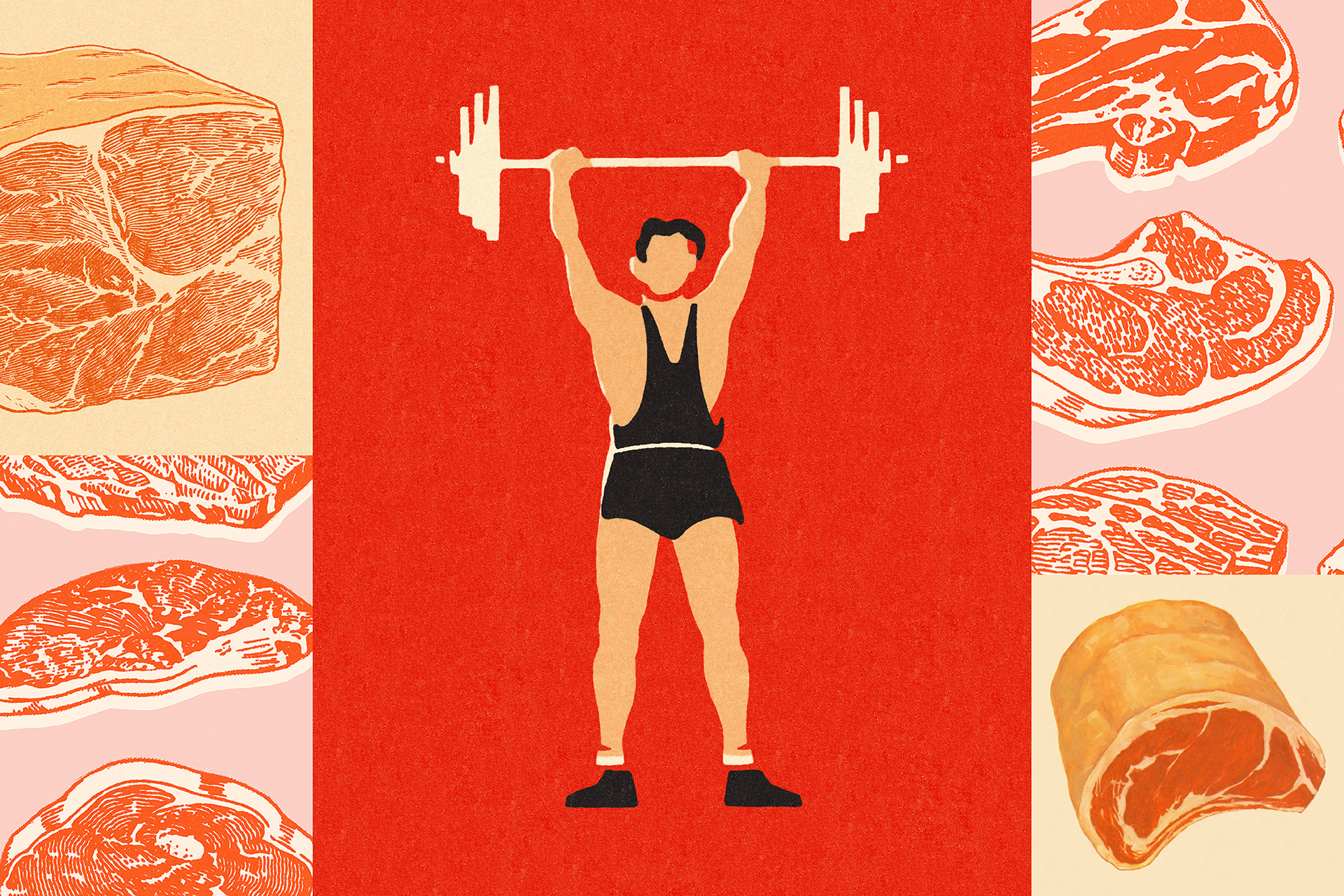
Meat & Masculinity: Why Food Choices Spark Identity Battles
The seemingly simple act of choosing what to eat has become a surprisingly fraught battleground, particularly when it comes to men and meat. A recent incident involving a nutrition influencer highlights the deeply ingrained societal link between meat consumption and masculinity, revealing the pressures men face when deviating from traditional dietary norms.
Tofu, Trolling, and the “Soy Boy” Insult
Jacob Smith, a 24-year-old nutrition influencer, dared to venture into the world of plant-based protein. Inspired by research on the health benefits of reducing meat intake, he documented his tofu-cooking experiment for his 170,000 Instagram followers. While some offered helpful cooking advice, a significant portion of his audience responded with derision, labeling him a “soy boy” – a derogatory term implying a lack of masculinity due to the consumption of soy products. This incident underscores a persistent and often toxic narrative that equates meat-eating with virility and strength.
From Carnivore to Curiosity: A Dietary Evolution
Smith’s culinary exploration wasn’t a sudden shift. He had previously adhered to a meat-heavy “carnivore diet” in his early college years, demonstrating a willingness to experiment with different dietary approaches. However, his foray into plant-based eating triggered a visceral reaction, exposing the fragility of perceived masculinity in the face of dietary choices. The “soy boy” insult reveals a cultural insecurity surrounding male identity and a fear of straying from traditional roles. It suggests that even a slight deviation from the meat-centric norm can be interpreted as a challenge to one’s manhood.
Beyond the Plate: Examining the Underlying Issues
The backlash against Smith’s tofu experiment is symptomatic of a larger societal issue. It speaks to the pressure men face to conform to traditional gender roles, where physical strength and dominance are often equated with meat consumption. The incident highlights the need for a more nuanced and accepting dialogue around food choices, one that acknowledges the health, environmental, and ethical considerations that drive dietary decisions. It also underscores the importance of challenging toxic masculinity and promoting a more inclusive understanding of what it means to be a man in the 21st century.
Conclusion: Reclaiming Food Freedom
The “soy boy” controversy serves as a stark reminder of the social pressures surrounding food and identity. As society evolves, it’s crucial to dismantle harmful stereotypes and embrace a more open and accepting approach to dietary choices. Ultimately, individuals should be free to explore different foods and eating habits without fear of ridicule or judgment, paving the way for a healthier and more equitable food culture for everyone.
Based on materials: Vox



