
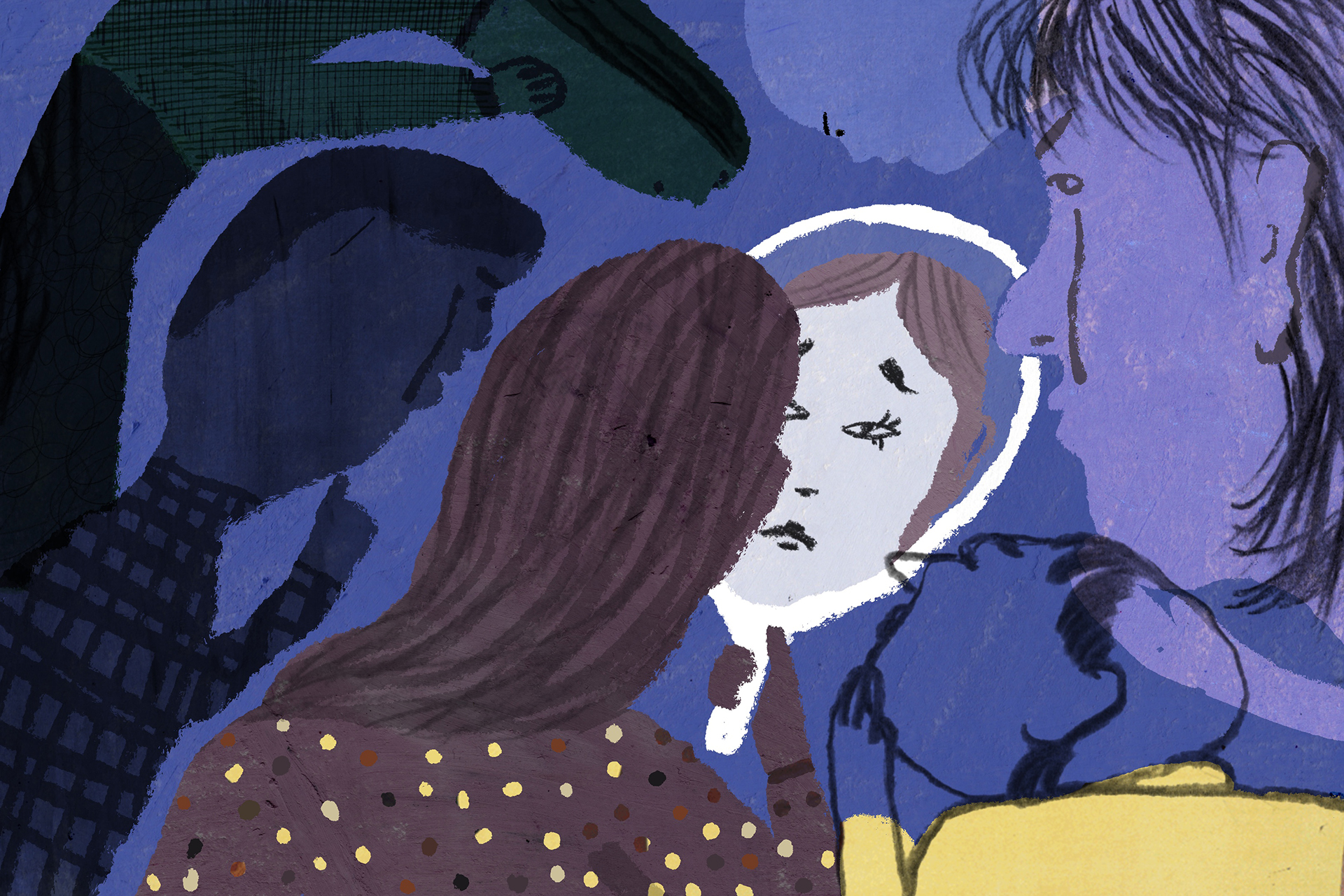
The Rise of Radical Self-Acceptance: Challenging Beauty Standards
In an era dominated by filters, cosmetic surgery, and the relentless pursuit of physical perfection, a counter-narrative is emerging. While the internet fixates on “looksmaxxing” – the extreme and often dangerous practices some individuals undertake to enhance their appearance – a new wave of voices is advocating for radical self-acceptance. This movement challenges the pervasive notion that beauty is a prerequisite for success and happiness, inviting us to reconsider our relationship with physical appearance.
The recent fascination with “looksmaxxing,” a trend fueled by online communities, highlights the intense pressure individuals, particularly men, feel to conform to societal beauty standards. The methods employed, often involving drastic measures like self-inflicted injuries and substance abuse, underscore the desperation driving this pursuit. However, amidst this obsession, a contrasting perspective is gaining traction.
Two Memoirs, One Powerful Message: Owning Your “Ugliness”
Journalist Stephanie Fairyington’s forthcoming memoir, “Ugly,” boldly declares, “I am an ugly woman.” This unapologetic opening statement signals a deliberate rejection of societal expectations and a commitment to self-acceptance. Fairyington’s work, along with other similar narratives, challenges the reader to confront their own biases and assumptions about beauty and worth. These memoirs delve into the personal experiences of individuals who have been labeled “ugly” by society and explore the emotional and social consequences of these labels. Instead of seeking to transform themselves, these authors embrace their perceived flaws, finding strength and authenticity in their unique identities.
Beyond the Surface: Redefining Value and Worth
The significance of these narratives extends beyond individual stories. They represent a broader cultural shift towards valuing authenticity and inner qualities over superficial appearances. In a world saturated with images of idealized beauty, these voices offer a refreshing reminder that true worth lies not in physical perfection, but in character, intelligence, and compassion. The act of embracing “ugliness” becomes a powerful act of resistance against the relentless pressure to conform, paving the way for a more inclusive and accepting society.
Ultimately, the emergence of these memoirs signifies a growing awareness of the harmful effects of unattainable beauty standards. By sharing their experiences, these authors encourage readers to question the values that shape our perceptions of self-worth and to embrace the beauty in imperfection. This shift in perspective is crucial for fostering a more compassionate and equitable society where individuals are valued for who they are, rather than how they look.
Based on materials: Vox



