
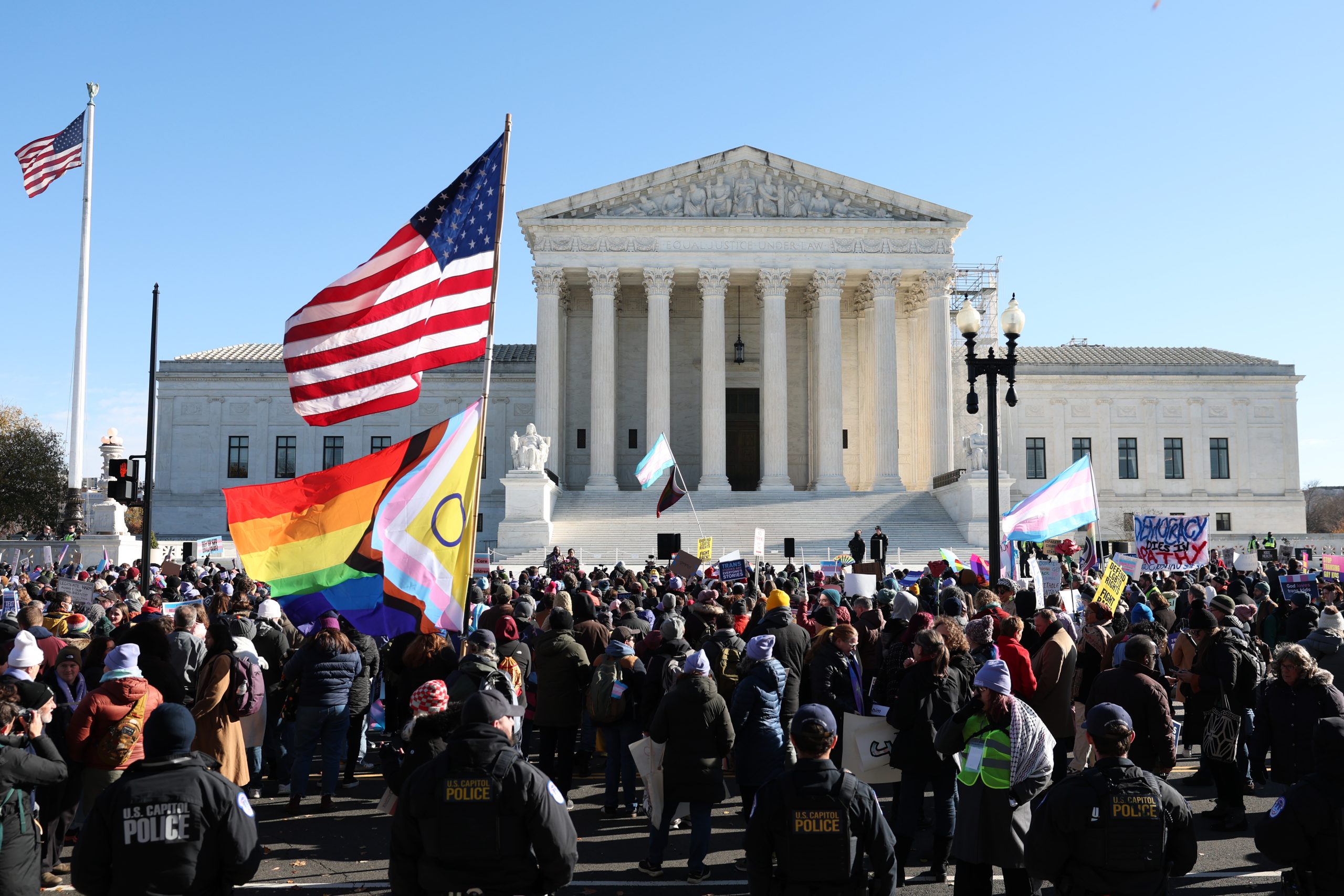
Supreme Court Sides With Therapist in Conversion Therapy Case
In a move that has sparked both celebration and outrage, the Supreme Court issued an 8-1 ruling in
Chiles v. Salazar
, a case challenging a Colorado law that prohibits licensed therapists from offering “conversion therapy.” This type of therapy aims to change a person’s sexual orientation or gender identity, typically from LGBTQ+ to heterosexual and cisgender. The court’s decision has reignited the debate over LGBTQ+ rights, religious freedom, and the role of government in regulating therapeutic practices.
The Heart of the Matter: Free Speech vs. Patient Protection
The Colorado law, like similar measures enacted in other states, sought to protect LGBTQ+ individuals, particularly minors, from the potential harm associated with conversion therapy. Critics argue that such therapies are ineffective, psychologically damaging, and based on discriminatory beliefs. However, the plaintiff in
Chiles v. Salazar
, a therapist seeking to offer conversion therapy, argued that the Colorado law violated her First Amendment rights to free speech. She claimed that the law restricted her ability to provide counseling to patients who voluntarily sought her services to “reduce or eliminate unwanted sexual attractions, change sexual behaviors, or grow in the experience of harmony with their bodies.”
The Supreme Court, siding with the therapist, seemingly prioritized free speech arguments in this instance. The majority opinion suggests that the state’s attempt to regulate the content of therapeutic speech was overly broad and potentially violated the therapist’s right to express her views and practice her profession.
Implications and Future Ramifications
This ruling raises several important questions. Firstly, it could embolden therapists in other states to challenge similar bans on conversion therapy, potentially rolling back protections for LGBTQ+ individuals in those areas. Secondly, the decision highlights the ongoing tension between religious freedom and LGBTQ+ rights, an issue that is likely to continue to be litigated in the courts. Finally, the case underscores the importance of state-level protections for LGBTQ+ individuals, particularly in light of potential limitations at the federal level. While this ruling does not explicitly endorse conversion therapy, it does limit the ability of states to regulate it, thereby potentially allowing it to continue in some form.
A Complex Issue with No Easy Answers
The debate surrounding conversion therapy is a complex one, involving deeply held beliefs, competing rights, and the well-being of vulnerable individuals. While the Supreme Court has weighed in on the legal aspects of this issue, the ethical and moral questions remain. As this case demonstrates, the legal landscape surrounding LGBTQ+ rights is constantly evolving, and the fight for equality is far from over. The need for robust, informed discussions about the potential harms of conversion therapy, along with comprehensive protections for LGBTQ+ individuals, remains crucial.
Based on materials: Vox



