
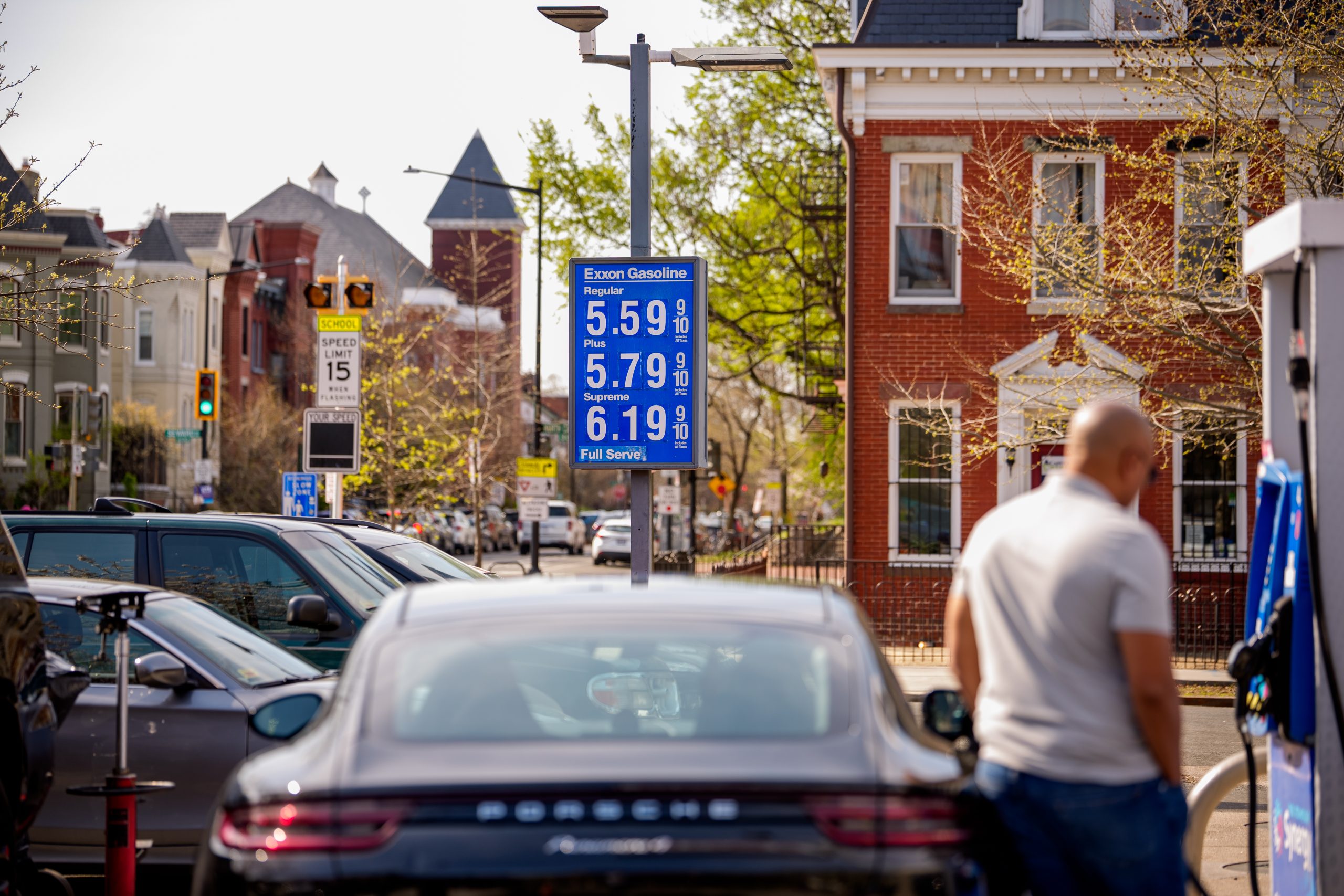
The sting at the checkout line. The creeping realization that your paycheck buys less than it used to. We’ve all felt it. But what’s really driving the price hikes on everything from groceries to gasoline? Is it simply inflation, or are deeper, more complex forces at play? Let’s unpack the rising cost of everyday goods and try to make sense of our increasingly expensive world.
More Than Just Inflation: A Perfect Storm
While inflation is undeniably a factor, attributing rising prices solely to this economic phenomenon paints an incomplete picture. The reality is a complex interplay of global events, supply chain bottlenecks, and geopolitical tensions that are collectively squeezing our wallets. Think of it as a perfect storm, where each factor intensifies the impact of the others.
Geopolitical Tensions and Supply Chain Woes
One significant contributor to the escalating prices is geopolitical instability. As the original article alluded to, conflicts and tensions in key regions can have a ripple effect across the global economy. For example, disputes affecting major shipping routes, like the Strait of Hormuz, can disrupt the flow of oil and other essential commodities, leading to price surges.
Beyond geopolitics, ongoing supply chain disruptions, exacerbated by events like the COVID-19 pandemic, continue to plague various industries. Factories shut down, shipping delays, and labor shortages all contribute to scarcity, which in turn drives up prices. Even as the pandemic subsides, the lingering effects on the supply chain are still being felt.
The Personal Impact: Adapting to a New Reality
For the average consumer, these rising prices translate to difficult choices. Families are forced to cut back on non-essentials, rethink their spending habits, and grapple with the stress of making ends meet. The simple act of grocery shopping, once a mundane task, becomes a strategic calculation, with shoppers constantly comparing prices and searching for deals.
Conclusion: Navigating the Economic Landscape
Understanding the underlying causes of rising prices is the first step toward navigating this challenging economic landscape. While we may not be able to control global events or supply chain disruptions, we can adapt our spending habits, seek out cost-saving measures, and advocate for policies that address these systemic issues. By staying informed and proactive, we can weather the storm and build a more resilient financial future.
Based on materials: Vox



