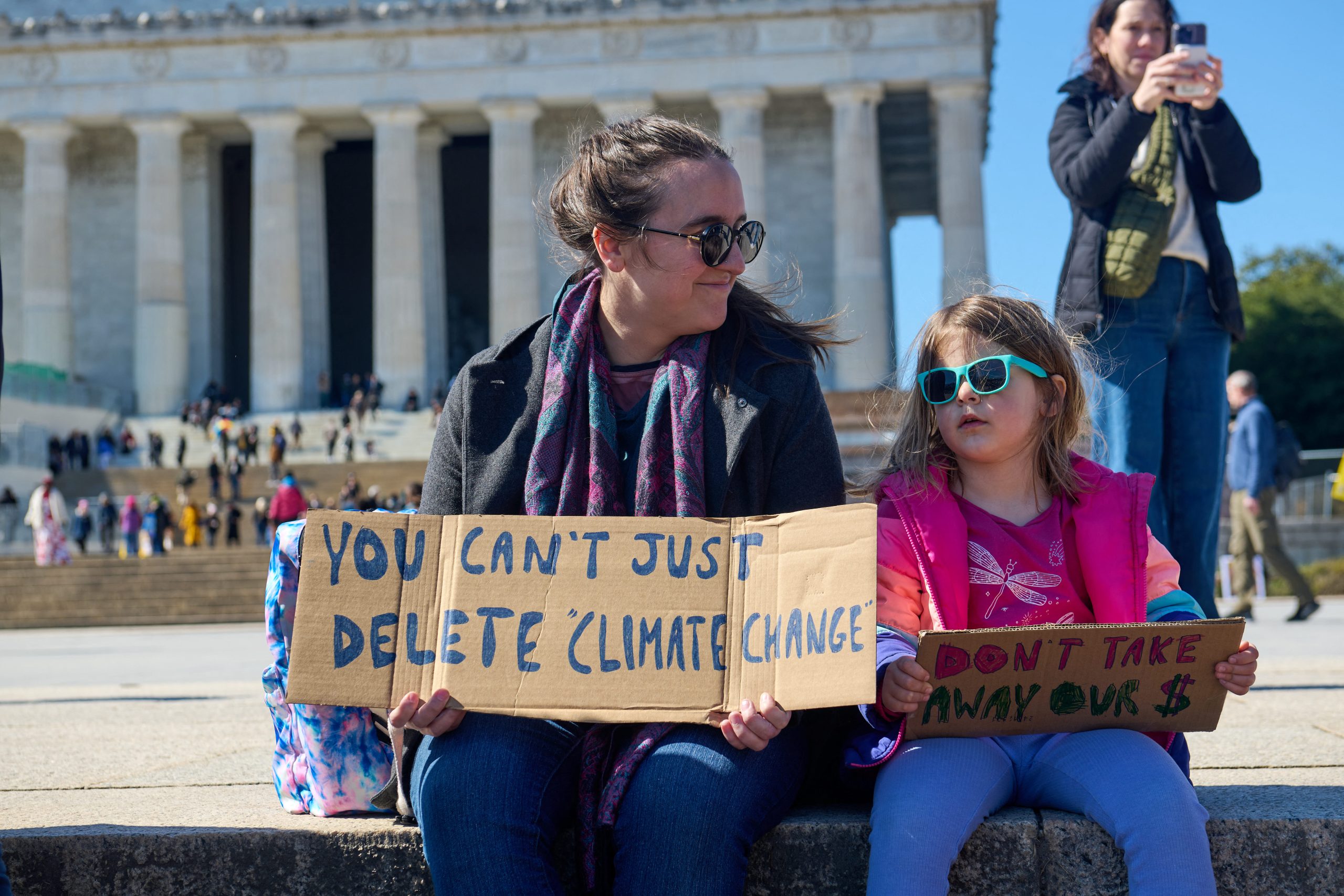
Climate Research Thrives Under Trump, Behind the Scenes
While the Trump administration has been publicly skeptical about climate change, defunding and censoring climate-related research, a fascinating paradox is unfolding within the U.S. Department of Agriculture (USDA). Despite the pressure to avoid using the “forbidden C-word” – climate – dedicated scientists are finding innovative ways to continue crucial research, albeit under different guises.
Navigating the “Forbidden C-Word”
Ethan Roberts, a union president at the National Center for Agricultural Utilization Research, highlights the challenges faced by scientists. A memo from upper management at the USDA Agricultural Research Service instructed staffers to avoid submitting agreements and other contracts containing the word “climate.” This directive created a chilling effect, forcing researchers to creatively reframe their work.
The result is a subtle but significant shift in language and focus. Instead of explicitly addressing climate change, projects are now framed around themes like “soil health,” “extreme weather resilience,” and “sustainable agriculture.” These topics, while seemingly distinct from climate change, are inextricably linked. Healthy soil, for example, plays a vital role in carbon sequestration, mitigating the effects of greenhouse gas emissions. Resilience to extreme weather events, such as droughts and floods, is a direct response to the changing climate patterns.
A Rose by Any Other Name…
This linguistic workaround allows scientists to continue their work without directly contradicting the administration’s stance. By focusing on the impacts of climate change rather than the cause, researchers can secure funding and continue their vital work. For instance, research into drought-resistant crops or improved irrigation techniques can be justified on the grounds of increasing agricultural productivity, even though the underlying driver is climate change.
This approach, while pragmatic, raises ethical questions. Are scientists compromising their integrity by avoiding direct engagement with the term “climate change”? Or are they strategically adapting to ensure the continuation of crucial research that benefits society?
A Quiet Revolution
Despite the political constraints, the dedication of scientists within the USDA is ensuring that climate-related research continues to advance. This quiet revolution, driven by ingenuity and a commitment to scientific inquiry, demonstrates the resilience of the scientific community in the face of political pressure. While the Trump administration’s public stance on climate change has been discouraging, the story within the USDA suggests that progress, though subtle, is still possible.
In conclusion, the story of climate research within the USDA during the Trump administration is one of adaptation and resilience. By reframing their work and focusing on the impacts of climate change, scientists are finding ways to continue their research, even in the face of political opposition. This approach, while not ideal, ensures that critical knowledge is still being generated, paving the way for a more sustainable future.
Based on materials: Vox