
Is Logging Really an Environmental Disaster? The Surprising Truth
Forests, the lungs of our planet, cover roughly a third of the United States, providing us with essential resources, clean air and water, and crucial habitats for wildlife. They also play a vital role in mitigating climate change by absorbing carbon dioxide. Given this critical importance, any policy affecting our forests demands careful scrutiny. The previous administration’s push to increase logging on public lands sparked widespread concern among environmental advocates. But is logging always the environmental villain it’s often portrayed to be? A closer look reveals a more nuanced picture.
The Argument for Increased Logging
The Trump administration argued that increasing timber harvesting in national forests, managed by the US Forest Service (USFS) and the Bureau of Land Management, would boost economic security and even improve forest health. The rationale was that failing to “fully exploit” forests for timber weakens the economy, degrades wildlife habitat, and increases the risk of devastating wildfires. Secretary of Agriculture Brooke Rollins declared an emergency, citing the need for increased logging across a large portion of USFS-managed lands.
The Environmental Impact: A Double-Edged Sword
While the environmental consequences of unchecked deforestation are well-documented, the impact of responsible logging is less clear-cut. Critics argue that increased logging disrupts ecosystems, destroys habitats, and releases stored carbon back into the atmosphere, exacerbating climate change. Furthermore, logging roads can fragment forests, hindering wildlife movement and increasing erosion. However, proponents of sustainable forestry practices contend that carefully managed logging can actually benefit forest health. Thinning overcrowded forests can reduce competition for resources, promoting the growth of healthier, more resilient trees. Additionally, removing dead or diseased trees can decrease the risk of catastrophic wildfires.
Finding the Balance: Sustainable Forestry is Key
The key lies in striking a balance between economic needs and environmental stewardship through sustainable forestry practices. This involves careful planning, selective logging, and reforestation efforts to ensure the long-term health and productivity of our forests. Independent certification programs, like the Forest Stewardship Council (FSC), can help consumers identify wood products sourced from sustainably managed forests. Ultimately, the debate over logging highlights the complex relationship between humans and the environment. Rather than viewing logging as inherently good or bad, we must adopt a more nuanced approach that considers the specific ecological context, the logging practices employed, and the long-term consequences for our planet.
SOURCE INFORMATION:
TITLE: The surprising truth about logging
DESCRIPTION: The value of forest ecosystems is hard to overstate. Blanketing roughly a third of the US, they supply clean water and air, absorb planet-warming carbon dioxide, and provide homes for imperiled wildlife and a tranquil place for Americans to hunt and fish. It’s for this reason that environmental advocates widely opposed a plan announced by […]
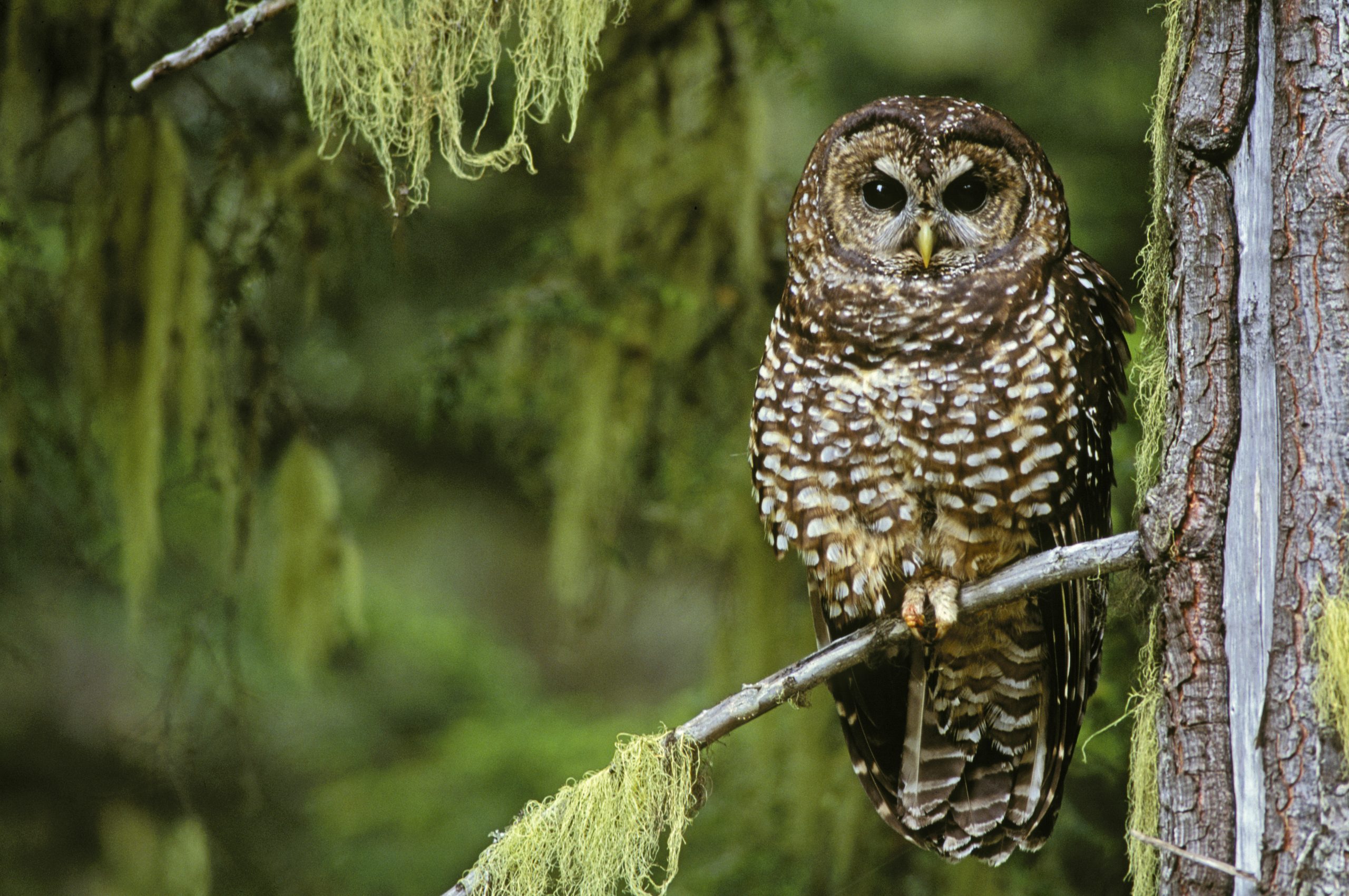
CONTENT: A northern spotted owl in Oregon’s Willamette National Forest. | Greg Vaughn/Getty Images The value of forest ecosystems is hard to overstate. Blanketing roughly a third of the US, they supply clean water and air, absorb planet-warming carbon dioxide, and provide homes for imperiled wildlife and a tranquil place for Americans to hunt and fish. It’s for this reason that environmental advocates widely opposed a plan announced by the Trump administration last spring. In an early March executive action, he ordered his administration to ramp up logging in our public forests, including those managed by the US Forest Service and the Bureau of Land Management. Failing to “fully exploit” forests for timber, Trump said, weakens our economic security, degrades fish and wildlife habitat, and sets the stage for wildfire disasters. A month later, Secretary of Agriculture Brooke Rollins, who also oversees the US Forest Service (USFS), declared an unexpected emergency across more than half of
Based on materials: Vox



