
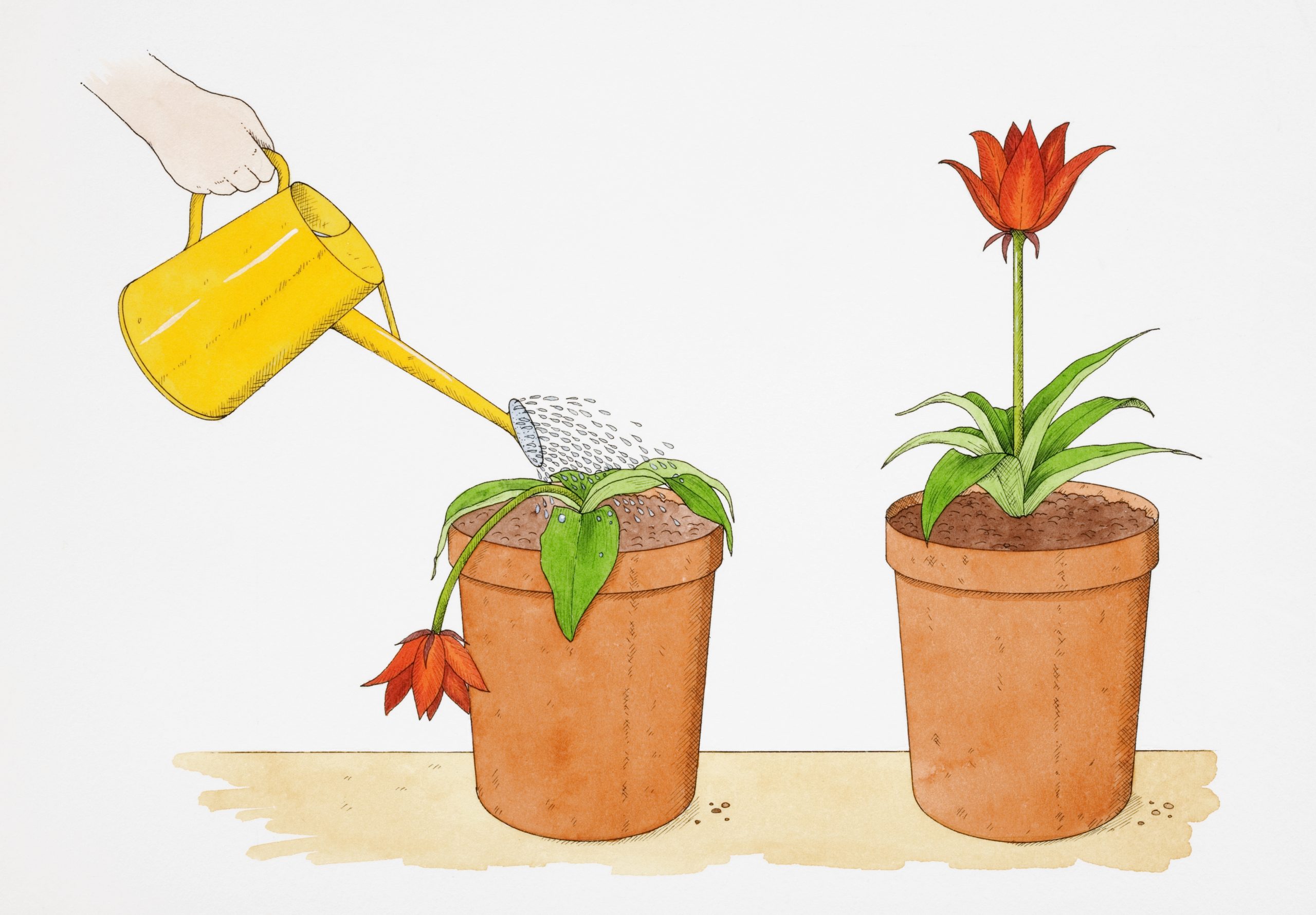
The Vulnerability Paradox: Why Seeking Assistance is Essential
We live in a society that often equates independence with strength. The “pull yourself up by your bootstraps” mentality permeates our culture, leaving many feeling ashamed or inadequate when they need assistance. But what if needing help wasn’t a sign of weakness, but rather a testament to our humanity and a crucial component of well-being?
Recently, a personal account highlighted the struggle many face when forced to rely on others. A woman experiencing pregnancy complications found herself needing help with everyday tasks, triggering feelings of vulnerability and inadequacy. This experience underscores a widespread societal challenge: the fear of being a burden.
Unpacking the Fear: Control, Perfectionism, and Societal Expectations
The reluctance to ask for help often stems from a complex interplay of factors. For perfectionists, relinquishing control can be intensely anxiety-provoking. The idea of someone else not meeting their standards, or simply doing things differently, can lead to significant discomfort.
Furthermore, societal norms heavily influence our perceptions. In the United States, the emphasis on self-reliance can make seeking assistance feel like a personal failing. This is particularly true for marginalized groups who may have internalized the feeling of being a burden due to systemic inequalities. A history of negative experiences when seeking help can also solidify this fear.
Reframing the Narrative: Asking for Help as an Act of Strength
It’s crucial to reframe the narrative surrounding asking for help. Instead of viewing it as a sign of weakness, consider it an act of self-awareness and a demonstration of emotional intelligence. Recognizing your limitations and seeking support is a sign of strength, not failure.
Moreover, allowing others to help can strengthen relationships and foster a sense of community. Offering assistance provides others with a sense of purpose and connection. It creates a reciprocal dynamic where everyone feels valued and supported.
Conclusion: Embrace Vulnerability, Cultivate Connection
Overcoming the fear of being a burden requires conscious effort and a willingness to challenge deeply ingrained societal beliefs. By embracing vulnerability and recognizing the interconnectedness of human experience, we can create a culture where asking for help is not only accepted but celebrated as a vital component of mental and emotional well-being. Seeking support when needed is not a burden; it’s an act of self-care and a pathway to building stronger, more resilient communities.
Based on materials: Vox



