
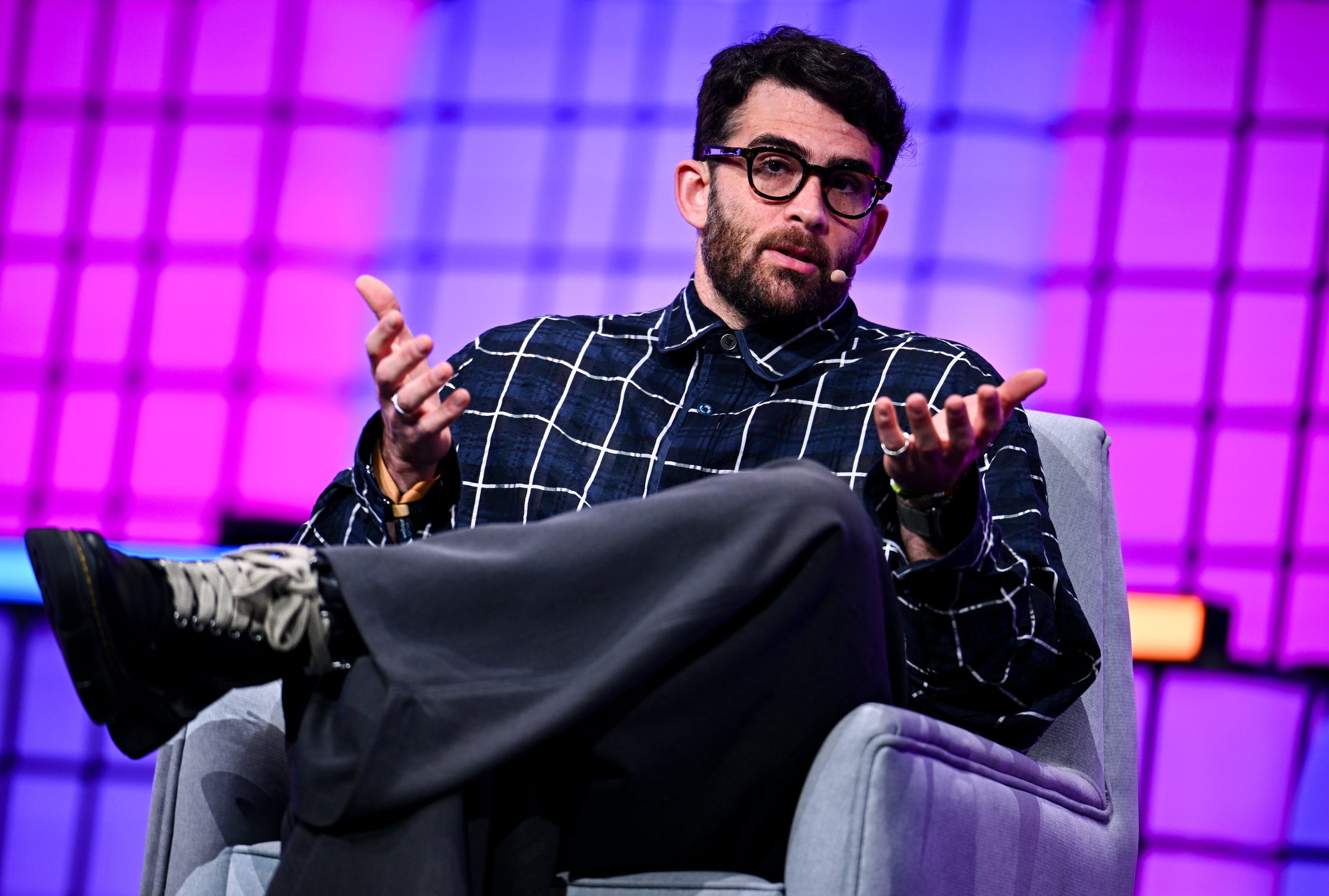
Hasan Piker: Left’s Lightning Rod Sparks Debate on Political Speech
Hasan Piker, the streaming personality who built a massive following by blending progressive political commentary with video game play, has become a focal point in a heated debate about the boundaries of acceptable discourse within the Democratic Party. His rise to prominence illustrates the power of online platforms to amplify voices, but it also raises complex questions about accountability and the impact of inflammatory rhetoric.
From Gamer to Political Influencer
Piker’s success story is undeniably modern. He leveraged the interactive nature of streaming to cultivate a loyal audience, engaging them with his passionate and often provocative takes on current events. This has transformed him into a significant voice on the left, offering endorsements to progressive candidates and attracting the attention of mainstream media. However, his unfiltered style has also made him a target for criticism, particularly regarding his statements on sensitive issues like the Israeli-Palestinian conflict.
Controversy and Accusations of Antisemitism
Recently, Piker has faced calls for ostracism from some moderate Democrats, who accuse him of making “antisemitic” and “hateful” remarks. His controversial statements, including claims that “America deserved 9/11” and that “Hamas is 1,000 times better than Israel,” have drawn widespread condemnation. These accusations highlight the challenge of navigating nuanced and often emotionally charged discussions about foreign policy, particularly in the digital age where soundbites can easily be taken out of context.
Free Speech vs. Responsibility: A Dividing Line?
The controversy surrounding Piker raises fundamental questions about the balance between free speech and social responsibility. While some defend his right to express his opinions, others argue that his inflammatory language crosses a line and contributes to a climate of intolerance. This debate underscores the growing tension within the Democratic Party, as different factions grapple with defining the acceptable parameters of political discourse. The support Piker has received from figures like Ezra Klein further complicates the issue, suggesting a divergence in opinion even within the center-left regarding the validity of the accusations against him. Ultimately, the Piker controversy serves as a microcosm of the broader challenges facing political discourse in the digital age, where the lines between entertainment, activism, and potentially harmful rhetoric are increasingly blurred.
SOURCE: Vox
Based on materials: Vox



