
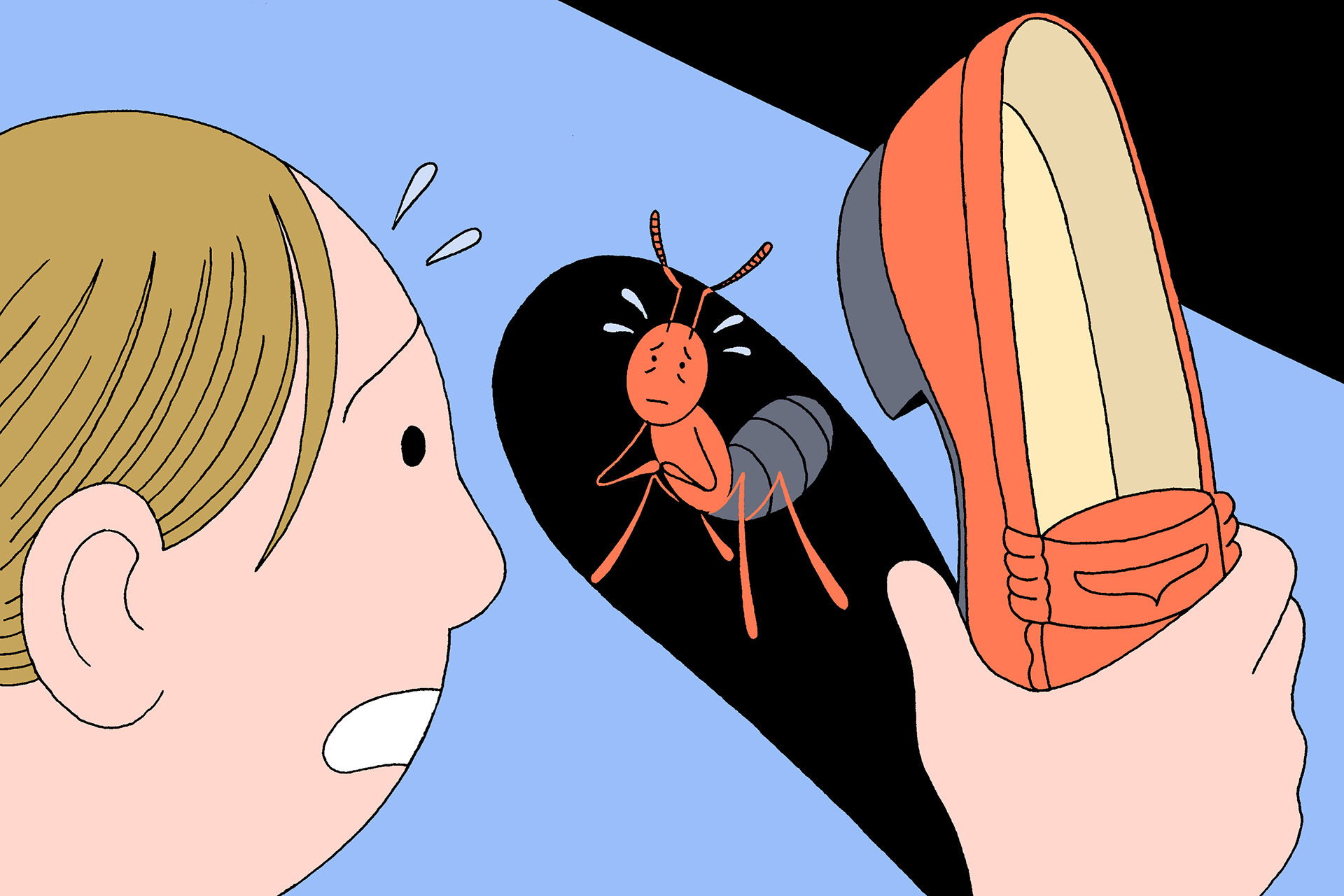
The arrival of spring brings with it not only blooming flowers and warmer weather, but also the inevitable return of unwanted guests: insects. From ants marching across kitchen counters to weevils infesting pantries and the looming threat of bedbugs, many homeowners face the dilemma of how to deal with these tiny invaders. But is it morally justifiable to kill the bugs that invade our homes? This question, recently posed to an advice column on Vox, highlights a complex ethical dilemma that resonates with many.
The Ethical Sticky Trap: Balancing Comfort and Compassion
The reader’s question encapsulates a common struggle. On one hand, there’s the desire for a clean, pest-free living environment, a space where one feels safe and comfortable. On the other hand, there’s the nagging unease about taking a life, even the life of an insect. The reader acknowledges the possibility that insects feel pain and attempts to dispatch them quickly, revealing a level of moral consideration often absent in our daily interactions with the natural world.
The dilemma underscores the concept of “value pluralism,” the idea that we hold multiple, equally valid values that often conflict. In this case, the values of personal comfort and hygiene clash with the value of minimizing harm to living creatures. There’s no easy answer, no universally applicable rule to resolve this conflict.
Insects: Sentient Beings or Mere Pests?
The crux of the moral quandary lies in our understanding of insect sentience. While scientific research has provided growing evidence that insects can experience pain and possess complex cognitive abilities, it remains a topic of ongoing debate. The more we learn about the intricate lives of these creatures, the harder it becomes to dismiss them as mere pests.
However, the reality is that complete avoidance of harm is often impossible. From driving a car that might inadvertently kill insects on the road to consuming food grown using pesticides, our actions inevitably impact the natural world. The question then becomes one of minimizing harm and making conscious choices that align with our values.
Finding a Path Forward: Minimizing Harm, Maximizing Respect
While the original article does not offer possible solutions, we suggest the following.
*
Preventative Measures:
Focus on preventing infestations in the first place. Sealing cracks, storing food properly, and maintaining a clean environment can significantly reduce the likelihood of insects entering your home.
*
Humane Removal:
Explore non-lethal methods of pest control, such as traps that allow you to relocate insects outside or natural repellents that deter them from entering your space.
*
Mindful Consumption:
Be aware of the impact of your consumer choices on the environment. Support sustainable agriculture practices that minimize the use of pesticides.
*
Acknowledge the Dilemma:
Recognize the inherent moral complexity of the situation. Accepting that there is no easy answer can help alleviate feelings of guilt and encourage more thoughtful decision-making.
In conclusion, the question of whether to feel guilty for killing bugs in our homes is a deeply personal one, rooted in our individual values and beliefs. By acknowledging the moral complexities involved, exploring alternative solutions, and striving to minimize harm, we can navigate this ethical sticky trap with greater awareness and compassion.
Based on materials: Vox



