
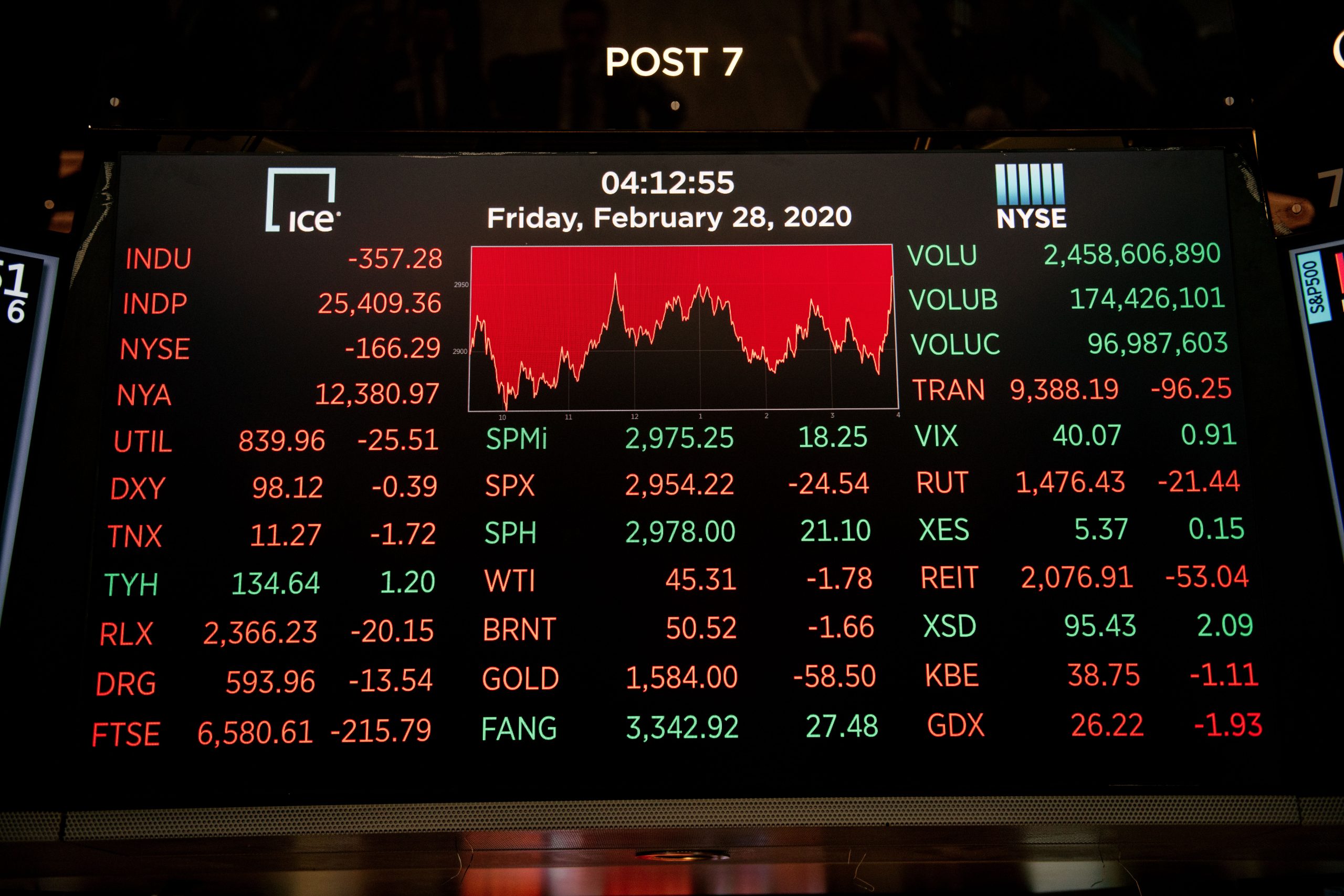
The COVID-19 pandemic caught much of the world off guard, despite years of warnings from experts about the potential for a global health crisis. Now, as geopolitical tensions rise in the Middle East, some analysts are asking if we’re making the same mistake by underestimating the potential economic fallout of a wider conflict involving Iran.
Just as public health officials had long cautioned about the threat of a pandemic, experts have also highlighted the fragility of the global economy in the face of escalating conflict in a region vital to energy production and trade. But are we truly prepared for the potential consequences?
Echoes of the Past: A Failure to Anticipate
The early days of the COVID-19 pandemic were marked by a sense of unpreparedness. Despite numerous warnings and simulations, many countries were slow to react, leading to devastating economic and social consequences. This failure to anticipate and mitigate risk is now being compared to the current situation in the Middle East.
The region has been a source of instability for decades, but recent events, including heightened tensions between Iran and its regional rivals, have raised the specter of a more widespread conflict. Such a conflict could disrupt global supply chains, drive up energy prices, and trigger a cascade of economic consequences that few seem to be fully accounting for.
Potential Economic Shockwaves
A major conflict involving Iran could have a significant impact on the global economy. Iran sits on a strategic waterway that controls much of the world’s oil supply. Any disruption to oil production or shipping in the region could send prices soaring, impacting industries from transportation to manufacturing.
Beyond energy, a wider conflict could disrupt global trade routes, impacting supply chains and increasing the cost of goods and services. Investor confidence could plummet, leading to stock market volatility and a decline in economic activity. The potential for cyberattacks and other forms of economic warfare could further exacerbate the situation.
Learning from COVID-19: A Call for Proactive Measures
The COVID-19 pandemic exposed vulnerabilities in the global economy and highlighted the importance of preparedness and risk mitigation. As tensions rise in the Middle East, it is crucial that policymakers and businesses learn from the mistakes of the past.
This includes conducting thorough risk assessments, developing contingency plans, and investing in measures to protect critical infrastructure. It also requires greater international cooperation to de-escalate tensions and prevent a wider conflict. Ignoring the potential economic fallout of a conflict involving Iran would be a grave mistake, one that could have far-reaching consequences for the global economy.
Based on materials: Vox



