
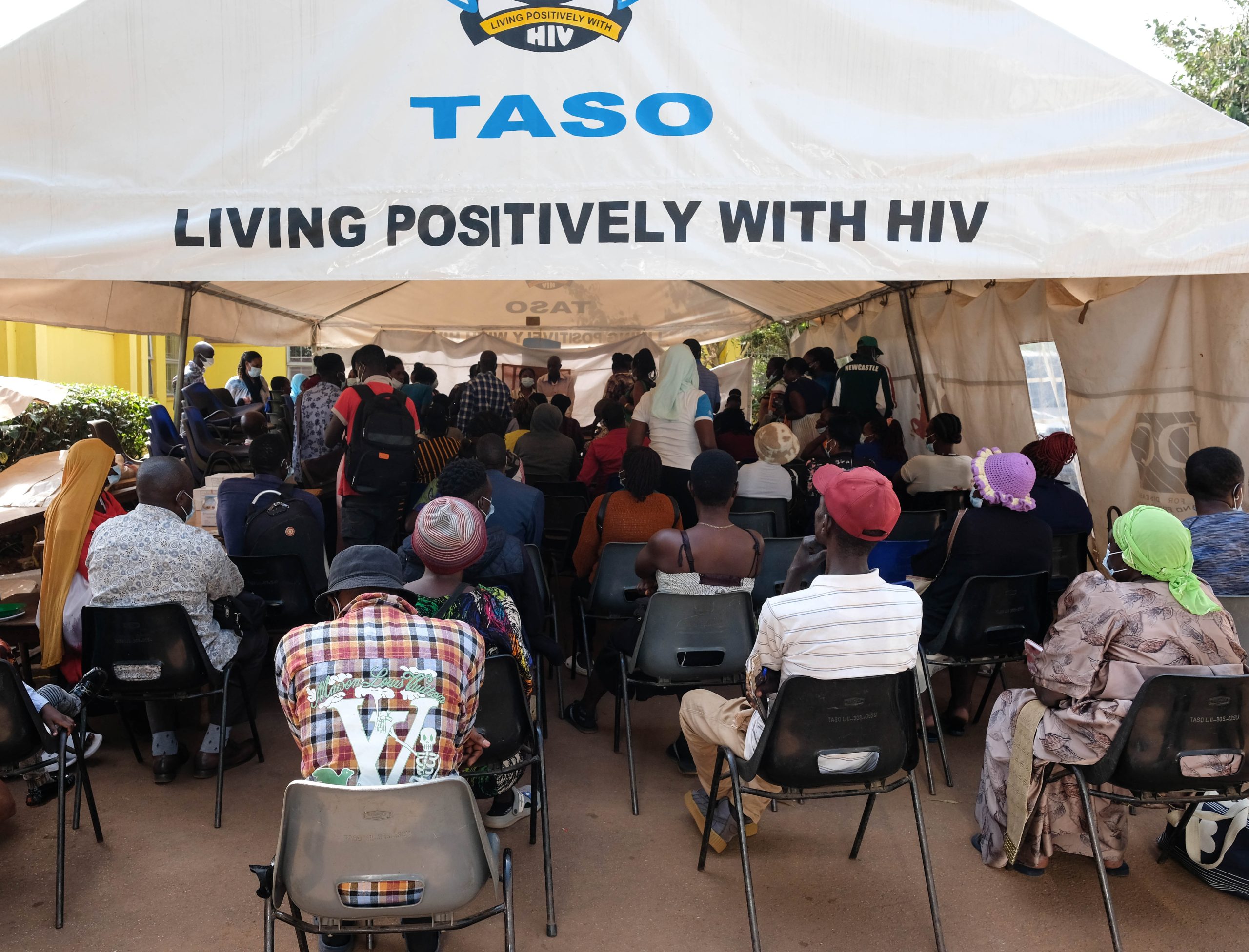
A year after the Trump administration initiated sweeping cuts to U.S. foreign aid in January 2025, initial fears of catastrophic consequences for global HIV programs appear to have been, at least partially, allayed. While experts initially projected thousands of deaths linked to the funding reductions, a recent analysis of official data from PEPFAR, the U.S.’s flagship HIV program, reveals a more nuanced picture. Though the long-term repercussions remain to be seen, the immediate devastation many predicted didn’t fully materialize.
The Initial Alarm: Testing Takes a Hit
The dismantling of foreign aid, particularly impacting crucial health initiatives, triggered widespread concern within the global health community. Reports surfaced indicating a significant drop in HIV testing rates. In the first six months of 2025, across nine countries, a staggering 3.4 million fewer people were tested for HIV, raising concerns about undiagnosed cases and potential increases in transmission rates. The cuts primarily affected preventative measures and outreach programs, leaving HIV treatment programs in a state of uncertainty. Emergency waivers were enacted to restore the supply of antiretroviral drugs (ARVs), but the damage to prevention efforts had already been done.
PEPFAR’s Resilience: Treatment Continues
Despite the disruption, PEPFAR managed to continue providing HIV treatment to approximately 20 million people between July and September 2025. This suggests a degree of resilience within the program, likely due to the swift action to secure emergency waivers and prioritize the distribution of ARVs. However, the focus on treatment came at the expense of broader prevention and outreach activities, potentially creating a backlog of undiagnosed cases that could lead to future surges in infection rates. The data highlights the critical importance of maintaining a balanced approach that incorporates both treatment and prevention strategies.
A Cautionary Tale: Long-Term Implications Loom
While the immediate impact of the funding cuts may not have been as catastrophic as initially feared, the long-term consequences remain uncertain. The decrease in testing rates, coupled with disruptions to prevention programs, could lead to a resurgence of HIV in vulnerable populations. Moreover, the reliance on emergency waivers underscores the fragility of global health programs when faced with political and budgetary shifts. This situation serves as a crucial reminder of the need for sustained and predictable funding for PEPFAR and other international health initiatives. The story highlights the complex interplay between political decisions, public health outcomes, and the enduring fight against HIV/AIDS.
SOURCE: Vox
Based on materials: Vox



