
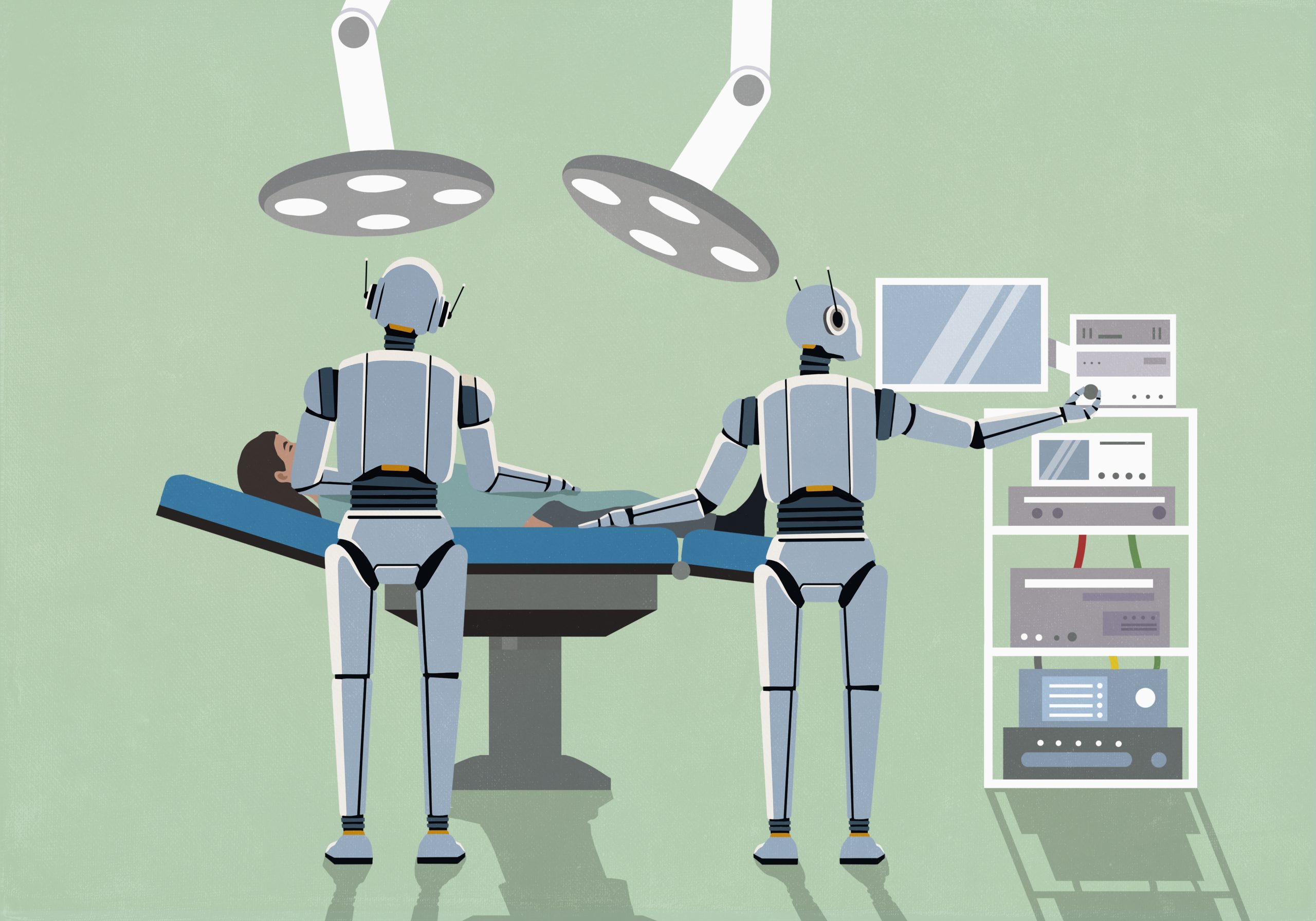
AI vs. ER Docs: New Study Shows Surprising Diagnostic Power
The image of a doctor cracking a complex medical case in the ER is a well-worn trope, a cornerstone of medical dramas that reinforces the idea of physicians as uniquely skilled problem-solvers. But a new study published in
Science
is challenging this notion, suggesting that artificial intelligence may be poised to rival, or even surpass, human doctors in the crucial arena of emergency medical diagnosis. The findings raise profound questions about the future of healthcare and the role of AI in our increasingly tech-driven world.
AI’s Diagnostic Prowess in the Emergency Room
The
Science
study presents compelling evidence that advanced AI programs can often outperform human doctors in accurately diagnosing patients seeking emergency medical care. While the specific details of the study’s methodology and the AI models used remain crucial for deeper analysis, the core finding is significant. AI is already making inroads in various aspects of medicine, from streamlining record-keeping to accelerating drug discovery. This latest research suggests a more direct and impactful role for AI in the diagnostic process itself.
The Human Element and the “Catch”
While the study highlights AI’s diagnostic capabilities, it’s important to consider the “catch,” as the original source hints. The complexities of emergency medicine extend far beyond pure pattern recognition. Human doctors bring empathy, intuition, and the ability to adapt to unique and unpredictable situations – qualities that AI, at least for now, struggles to replicate. Furthermore, the ethical considerations surrounding AI in healthcare, such as bias in algorithms and the potential for over-reliance on technology, must be carefully addressed.
Navigating the Future of AI in Healthcare
The integration of AI into emergency medicine presents both immense opportunities and significant challenges. While AI can undoubtedly improve diagnostic accuracy and efficiency, it’s crucial to avoid a scenario where technology replaces the human element of care. Instead, the focus should be on developing AI systems that augment and support doctors, allowing them to focus on the more complex and nuanced aspects of patient care. As AI continues to evolve, ongoing research, rigorous testing, and open discussions about ethical implications will be essential to ensure that this powerful technology is used responsibly and effectively in the service of human health.
SOURCE: Vox
Based on materials: Vox



