
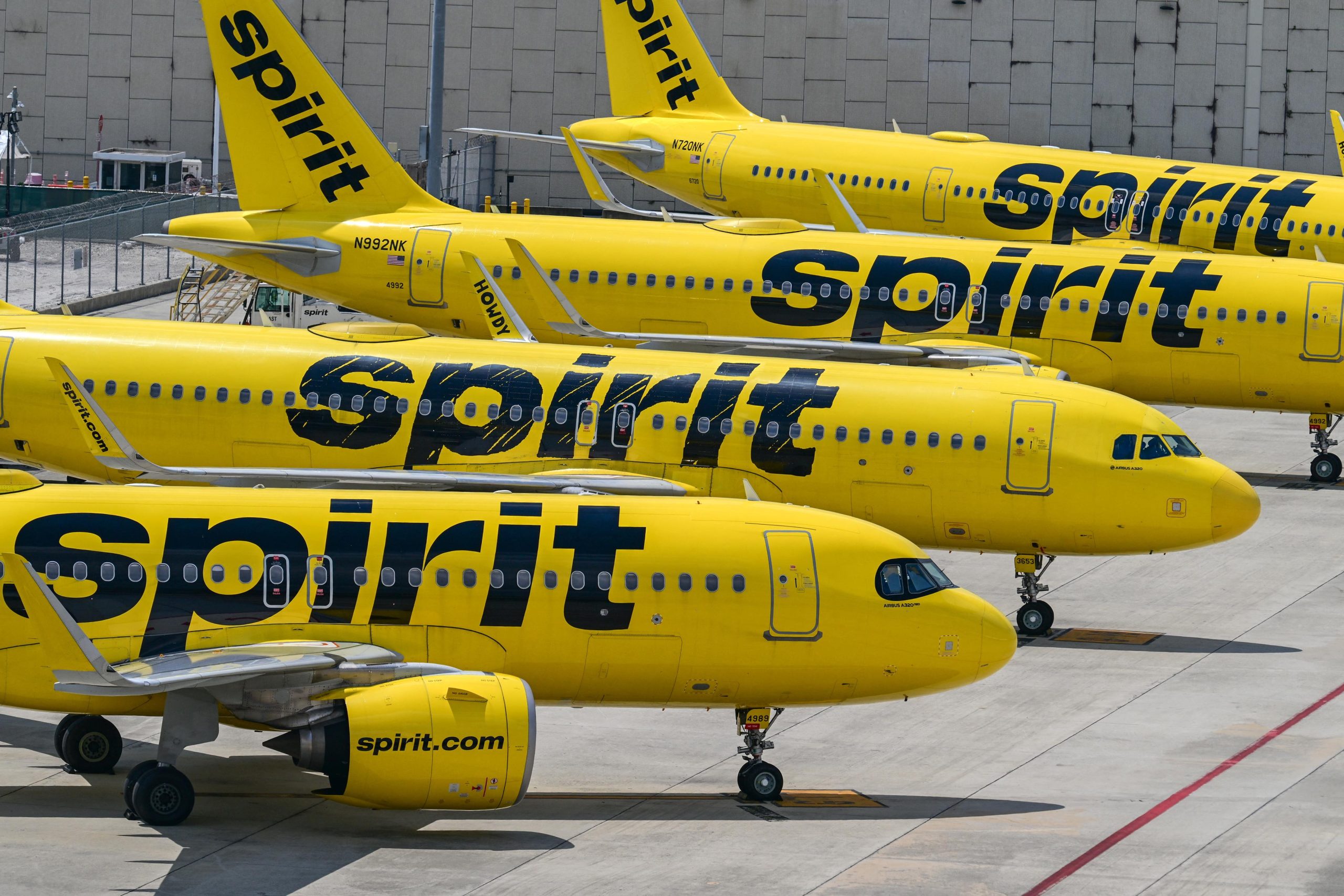
Is This the End of Ultra-Low-Cost Flights? Spirit’s Struggle
Spirit Airlines, the pioneer of the ultra-low-cost carrier (ULCC) model in the United States, has been facing significant turbulence in recent years, raising questions about the viability of its business model and the future of budget air travel. The airline’s struggles, compounded by failed merger attempts and financial instability, have left passengers stranded and industry analysts wondering if the era of rock-bottom fares is coming to an end.
A Turbulent Flight Path
Since the pandemic, Spirit has been teetering on the edge of collapse. The airline’s initial attempt to merge with JetBlue was ultimately blocked by regulators, citing concerns about reduced competition and higher fares for consumers. Subsequent bankruptcy declarations underscored the severity of Spirit’s financial woes. Desperate for a lifeline, the airline reportedly sought a $500 million bailout from the Trump administration, even offering a majority stake to the government. However, this plea was ultimately unsuccessful.
The airline’s difficulties culminated in widespread flight cancellations, leaving countless travelers stranded at airports with little to no notice. This scenario, unfortunately, became a hallmark of Spirit’s operations in recent times, further eroding customer trust and solidifying the perception of unreliability.
What Does Spirit’s Struggle Mean for Travelers?
The potential disappearance of Spirit Airlines raises serious concerns about the future of affordable air travel. Some analysts predict that with one less budget carrier in the market, other airlines may feel less pressure to keep fares low, potentially leading to an overall increase in ticket prices. This could disproportionately affect price-sensitive travelers who rely on ULCCs like Spirit to make air travel accessible.
However, it’s important to note that the airline industry is constantly evolving. While Spirit’s specific business model may be faltering, the demand for budget travel is likely to remain strong. This could create opportunities for other airlines to step in and fill the void, potentially leading to the emergence of new ULCCs or the expansion of existing ones.
Conclusion: The Future of Budget Air Travel
Spirit Airlines’ struggles represent a significant turning point in the airline industry. While the airline’s future remains uncertain, its challenges highlight the complexities of operating a successful ULCC in a competitive market. Whether Spirit survives or not, its story serves as a reminder of the importance of financial stability, operational efficiency, and customer service in the airline industry. The coming months will be crucial in determining the long-term impact of Spirit’s situation on the future of budget air travel and the choices available to consumers.
Based on materials: Vox



