
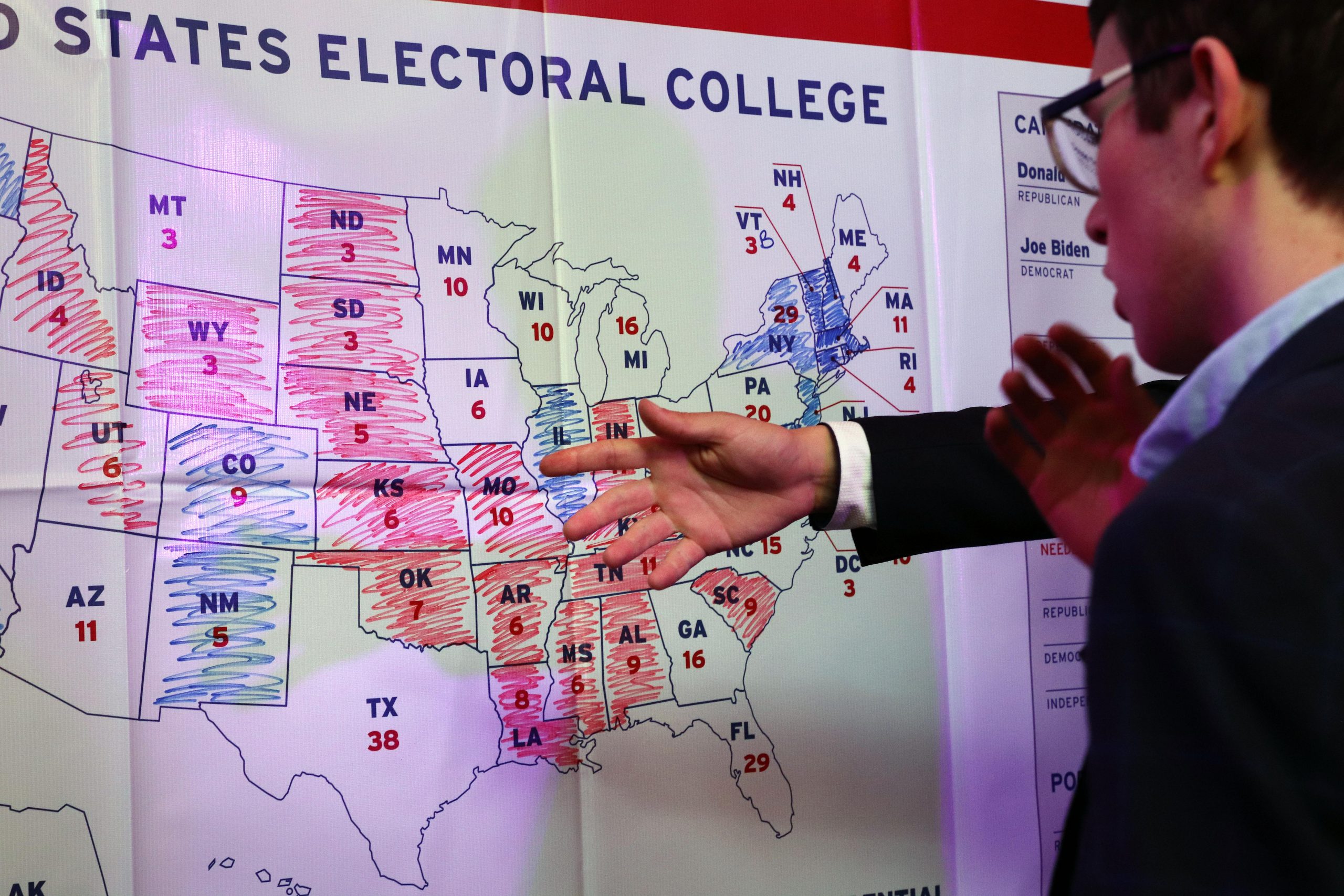
Electoral College Overhaul? State Compact Nears Tipping Point
For over two centuries, the Electoral College has been a fixture of American presidential elections, a system that disproportionately empowers a handful of swing states. But a decades-long, under-the-radar effort to circumvent the constitutional amendment process and effectively implement a national popular vote is gaining serious momentum. Could the 2026 midterms be the catalyst that finally pushes it over the edge?
The National Popular Vote Interstate Compact Explained
The key to this potential transformation is the National Popular Vote Interstate Compact (NPVIC). This innovative, albeit complex, agreement aims to achieve a national popular vote for president without directly amending the Constitution. The compact works by having participating states pledge to award their electoral votes to the presidential candidate who wins the national popular vote – but only after enough states join the compact to collectively control at least 270 electoral votes, the threshold needed to win the presidency.
In essence, the NPVIC acts as a trigger. Once the compact reaches the 270-vote threshold, it will effectively force a national popular vote outcome, regardless of individual state results. This avoids the arduous process of a constitutional amendment, which requires a two-thirds vote in both houses of Congress and ratification by three-quarters of the states.
Momentum and Future Prospects
The NPVIC has been steadily gaining traction, primarily in blue states. Reformers believe that a significant Democratic surge in the 2026 midterm elections could provide the final push needed to bring the compact to the necessary 270 electoral votes. While the compact faces legal challenges and strong opposition from Republicans who argue it undermines the principles of federalism and gives undue influence to densely populated states, its proponents maintain it is a necessary step towards ensuring every vote counts equally, no matter where it’s cast.
The debate surrounding the NPVIC highlights the fundamental tension between the Electoral College’s intended purpose – to balance the power of populous states with that of less populous ones – and the principle of one person, one vote. Critics of the Electoral College argue that it can lead to situations where the popular vote winner loses the presidency, as happened in 2000 and 2016, undermining the legitimacy of the election.
A Potential Paradigm Shift
The National Popular Vote Interstate Compact represents a bold attempt to reshape the American political landscape. Whether it ultimately succeeds remains to be seen, but its growing momentum underscores the ongoing debate about the fairness and effectiveness of the Electoral College. The 2026 midterms could prove to be a pivotal moment in this ongoing saga, potentially ushering in a new era of presidential elections based on the national popular vote.
Based on materials: Vox



