
Humanoid Robot Hype: Reality Check on the Robotic Revolution
The promise of a future populated by helpful humanoid robots is captivating imaginations and fueling massive investment. From running marathons to potentially replacing human workers in various industries, these machines are seemingly poised to revolutionize our world. But beneath the dazzling demonstrations and bold pronouncements lies a complex reality. Are we truly on the cusp of a robotic revolution, or is the hype outpacing the actual capabilities of these nascent technologies?
From Red Carpets to Real-World Tasks: The Spectrum of Robotics
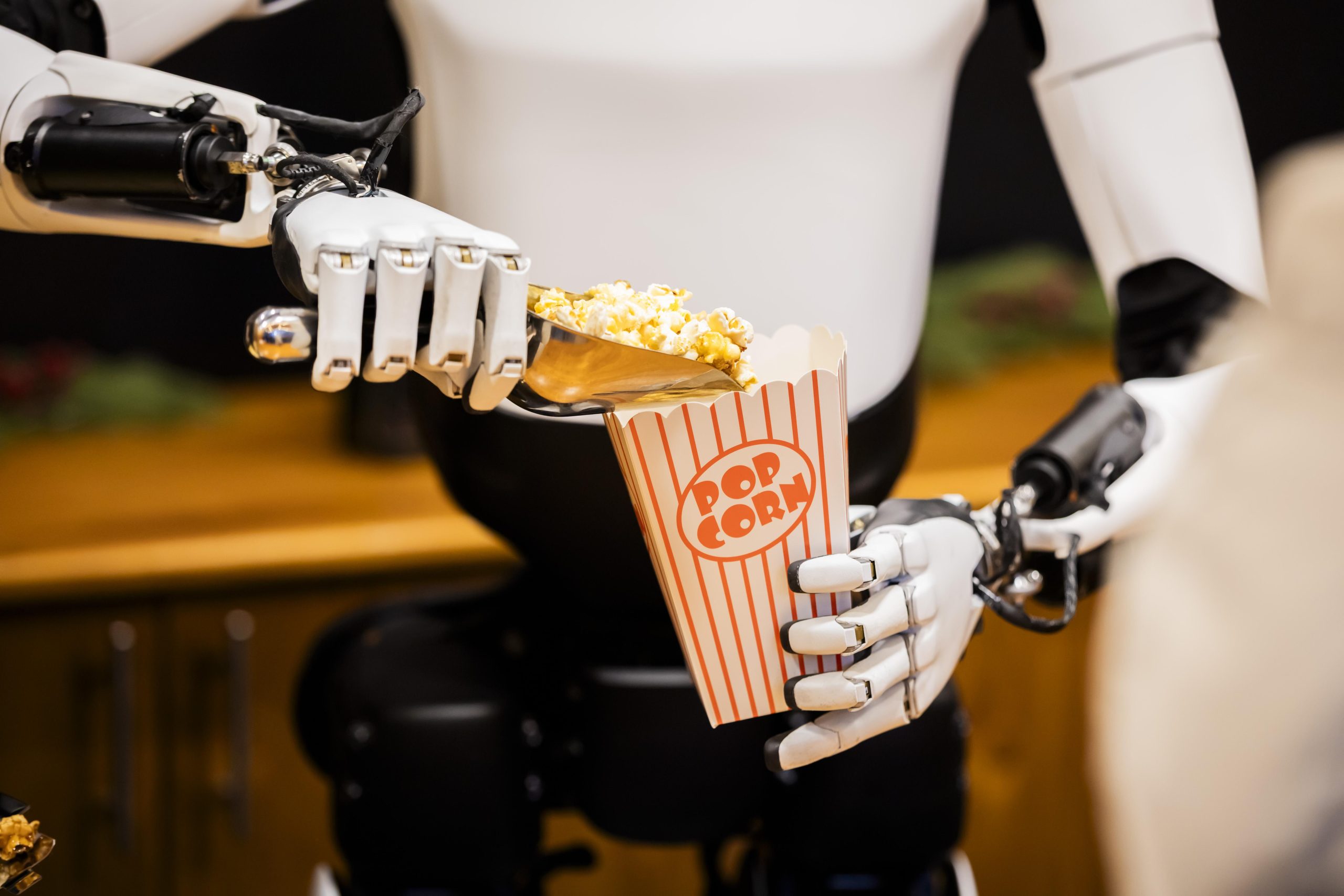
The media landscape is currently awash with images of humanoid robots performing a surprising array of tasks. They’re seen handling baggage, sorting waste, even interacting with dignitaries on red carpets. Elon Musk, a prominent figure in the tech world, has even suggested a future where Tesla focuses on humanoid robots, predicting they will eventually outnumber humans. These visions paint a compelling picture, but it’s important to examine the practical implications and current limitations.
Beyond the Buzz: A Critical Look at Current Capabilities
While the demonstrations are impressive, the real-world application of humanoid robots is still in its early stages. Tech writer James Vincent, in his Harper’s Magazine cover story “Kicking Robots,” offers a more grounded perspective. He suggests a critical examination of the gap between the advanced capabilities showcased in controlled environments and the challenges these robots face in unpredictable, real-world scenarios. The complexities of navigating uneven terrain, adapting to unexpected obstacles, and interacting seamlessly with humans remain significant hurdles. While they can perform specific, pre-programmed tasks, their ability to truly adapt and learn remains limited.
Navigating the Future of Robotics: Hype vs. Reality
The future of robotics undoubtedly holds immense potential. As technology advances, humanoid robots will likely become more sophisticated and capable. However, it’s crucial to temper the hype with a realistic assessment of the current state of the art. The path to widespread adoption is likely to be gradual, with robots initially filling niche roles in controlled environments before potentially expanding into more complex and unpredictable settings. Distinguishing between genuine progress and promotional exaggeration is essential for understanding the true trajectory of this exciting technological frontier.
SOURCE: Vox
Based on materials: Vox



