
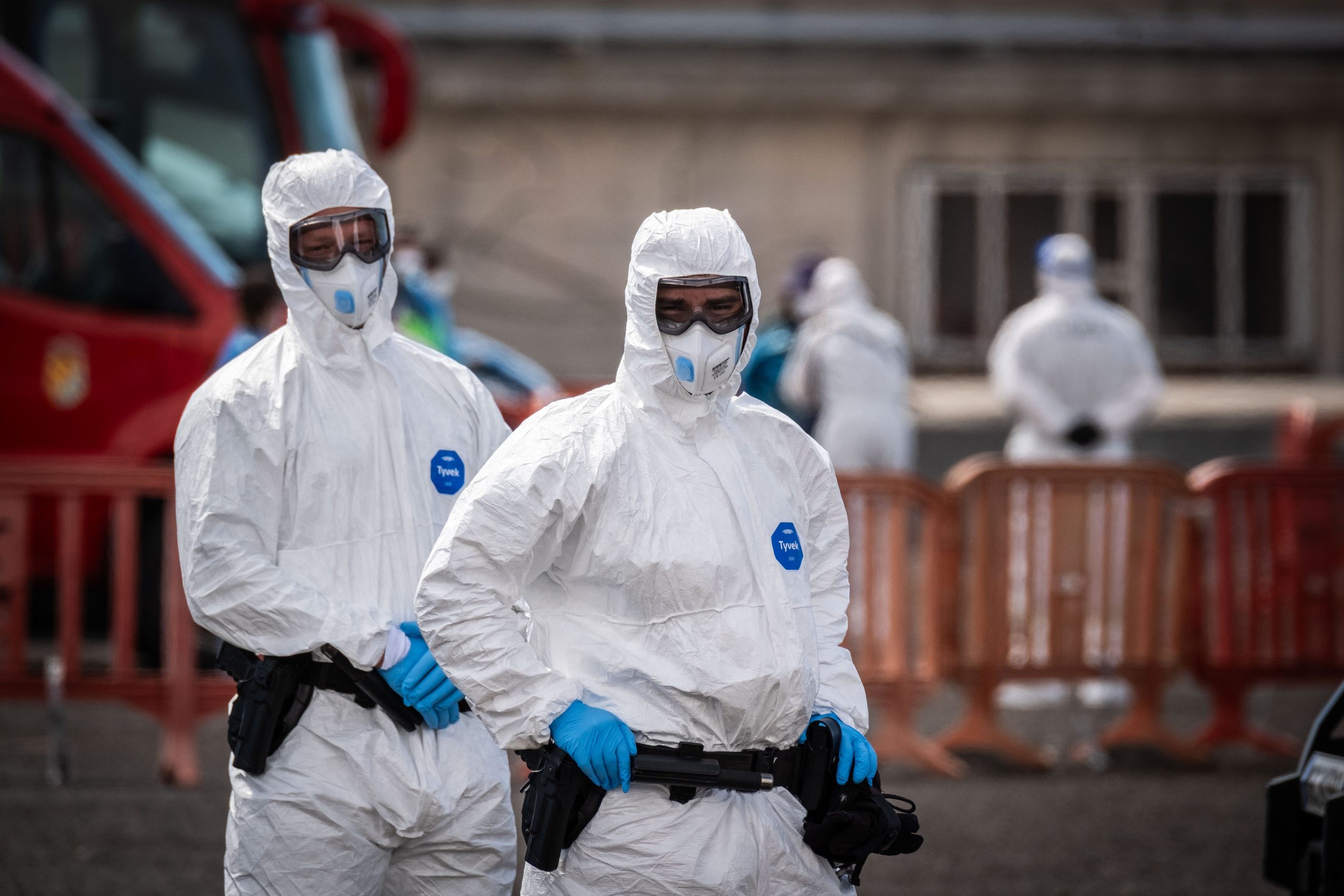
A recent outbreak of hantavirus on a cruise ship, leaving eighteen Americans stranded and resulting in three tragic deaths, has understandably sparked concern. While the situation is undoubtedly devastating for those directly affected, experts emphasize that the risk to the general public remains low. Let’s unpack the facts and understand why infectious disease specialists aren’t sounding the alarm.
Cruise Turns Deadly: A Hantavirus Outbreak
The ordeal began when a number of passengers on the cruise ship fell ill. It was later determined that the culprit was hantavirus, a virus typically transmitted through contact with rodents or their droppings. The ship was effectively quarantined, leaving passengers in a state of limbo and fear. The situation escalated with the deaths of three passengers, further fueling anxieties about the potential for widespread transmission. Eighteen Americans have since returned to the United States.
Understanding Hantavirus and Its Transmission
Hantavirus is not a new threat, but its association with a cruise ship outbreak is certainly unusual. The virus is primarily found in rodents, and humans typically contract it through inhalation of airborne particles from rodent urine, droppings, or saliva. While person-to-person transmission is theoretically possible, the World Health Organization (WHO) maintains that the global risk level associated with hantavirus remains low. Experts believe the cruise ship outbreak likely originated from rodent contamination onboard. The close quarters and potential for rodent activity could have facilitated the spread among passengers.
Context and Perspective: Why Panic is Unwarranted
Despite the unsettling nature of the cruise ship outbreak, infectious disease researchers are urging calm. Laurel Bristow, an infectious disease researcher at Emory Rollins School of Public Health, emphasizes that this event, while tragic, does not warrant widespread panic. Hantavirus outbreaks are relatively rare, and the virus is not easily transmitted between humans. Furthermore, public health officials are actively monitoring the situation and taking necessary precautions to prevent further spread.
The key takeaway is that maintaining proper hygiene and avoiding contact with rodents and their droppings remain the most effective preventative measures. The cruise ship outbreak serves as a reminder of the importance of sanitation and vigilance, particularly in enclosed environments.
In conclusion, while the hantavirus outbreak on the cruise ship is a concerning event, it does not pose a significant threat to the general public. Understanding the virus, its transmission, and the context of the outbreak is crucial to avoiding unnecessary fear and anxiety. Public health officials continue to monitor the situation, and individuals can take simple precautions to minimize their risk.
Based on materials: Vox



