
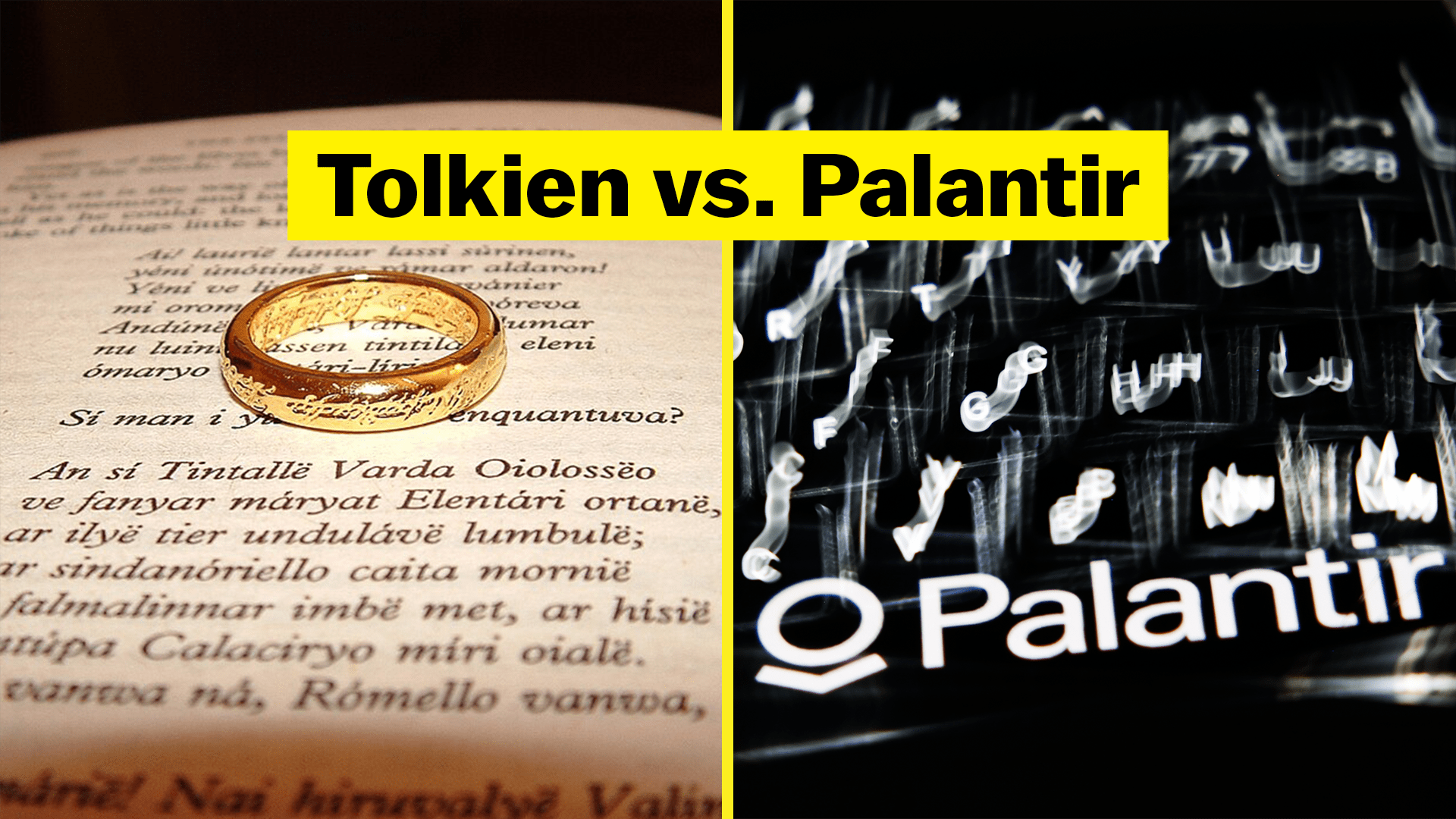
Palantir Technologies, the data analytics giant co-founded by Peter Thiel and Alex Karp, shares its name with a powerful, yet dangerous artifact from J.R.R. Tolkien’s “The Lord of the Rings.” The palantíri, or seeing stones, allowed characters in Middle-earth to communicate across distances and glimpse future events. But these visions often lacked context, leading to deception and ultimately, disastrous decisions. The question is: why would a company, particularly one operating in the sensitive realm of data analysis, choose to associate itself with such a double-edged sword?
Echoes of Middle-earth in Silicon Valley
The comparison isn’t just skin deep. Palantir Technologies, like its namesake, provides its users with powerful insights. The company’s software is used by government agencies and corporations alike to analyze massive datasets, identify patterns, and predict future outcomes. This capability, much like the palantíri, offers immense potential for good. Law enforcement can use it to track down criminals, businesses can optimize their operations, and governments can respond more effectively to crises.
However, the parallel also raises concerns. The palantíri in Tolkien’s world were easily manipulated, leading characters to make choices based on incomplete or distorted information. Similarly, Palantir’s technology, while powerful, is only as good as the data it analyzes and the interpretations made by its users. There is a risk that the insights derived from Palantir’s software could be used to justify biased decisions, reinforce existing inequalities, or even target vulnerable populations.
Tolkien’s Distrust: A Warning for Our Time?
Tolkien himself was famously skeptical of technology and its potential to be used for malicious purposes. His works often explored the dangers of unchecked power and the importance of wisdom and ethical considerations in the face of technological advancement. Naming a tech company after an object that represents these very dangers seems either ironic or intentionally provocative.
Perhaps Palantir’s founders chose the name as a reminder of the responsibility that comes with wielding such power. Or perhaps, they underestimated the weight of Tolkien’s cautionary tale. Regardless, the connection between Palantir Technologies and the palantíri serves as a potent symbol of the ethical dilemmas inherent in the age of big data.
Navigating the Future with Foresight
As Palantir Technologies continues to expand its reach and influence, it is crucial to consider the lessons of “The Lord of the Rings.” The palantíri were not inherently evil, but their misuse led to devastating consequences. Similarly, Palantir’s technology has the potential to do great good, but it must be used responsibly and ethically. The company, its clients, and society as a whole must be vigilant in guarding against the potential for bias, manipulation, and unintended harm. Only then can we hope to avoid the fate of those who gazed too deeply into the seeing stones without understanding the full context of what they saw.
SOURCE: Vox
Based on materials: Vox



