
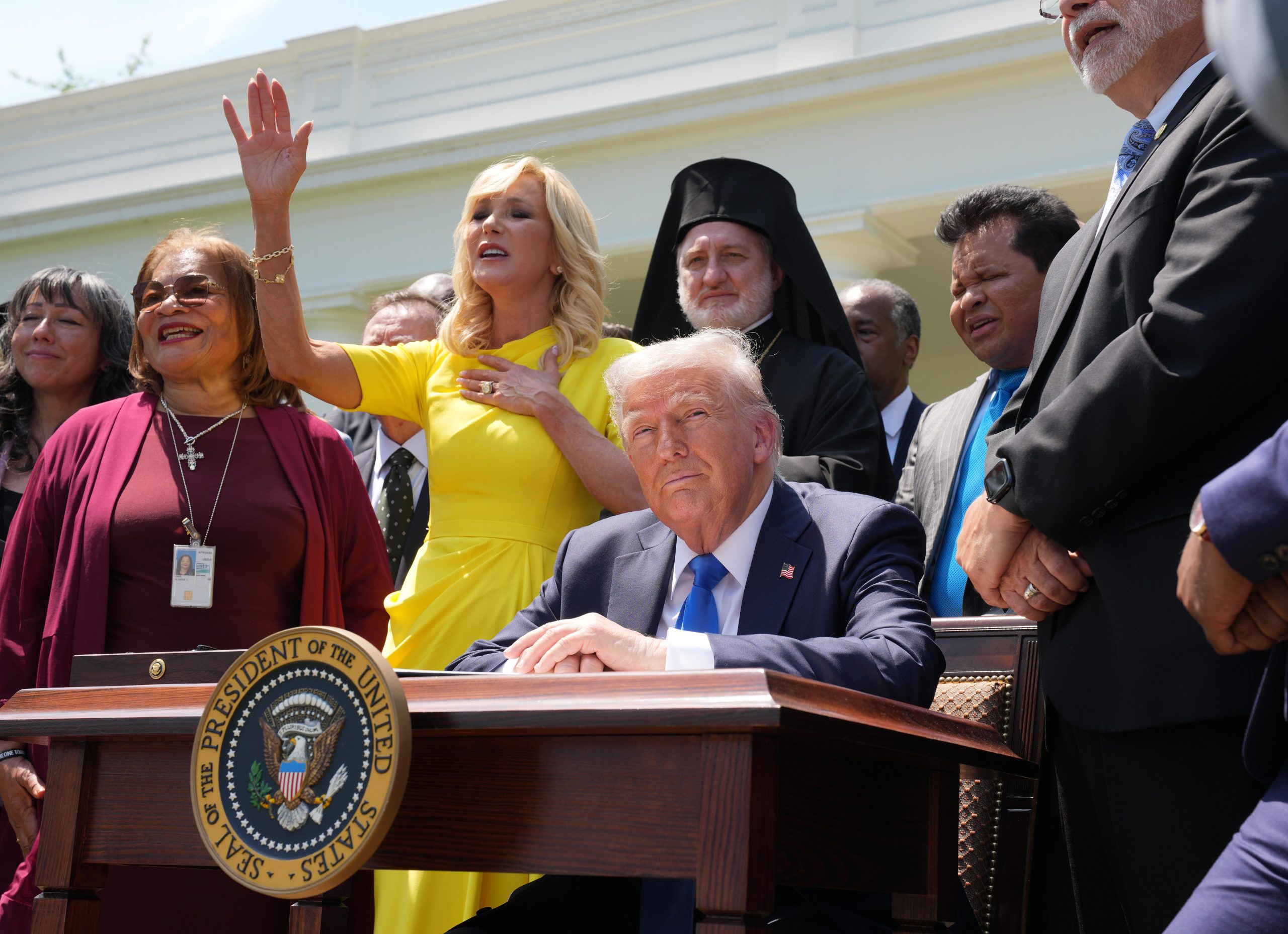
Trump’s Embrace of Religious Right: A Double-Edged Sword?
This weekend, Washington D.C.’s National Mall will host a gathering of religious leaders and government officials, ostensibly for prayer, but also serving as a symbolic “rededication of our country as One Nation under God.” Organized in conjunction with the White House-backed Freedom 250 celebrations leading up to July 4th, this event underscores the continued influence of the religious right during Donald Trump’s second term. But is this alliance proving to be a blessing or a burden?
A Resurgent Religious Right
The resurgence of religiosity in American public life has been a defining feature of Trump’s political comeback. His administration has consistently courted the religious right, appointing conservative judges, advocating for religious freedom protections (often interpreted as exemptions from certain laws), and giving prominent platforms to faith leaders. This strategy has solidified Trump’s base and provided him with crucial support in key elections.
The Price of Power
However, this alliance comes at a cost. By aligning so closely with a specific segment of the religious community, Trump risks alienating moderate voters and exacerbating existing divisions within society. Critics argue that his policies often prioritize the interests of the religious right over the needs of other groups, leading to accusations of discrimination and intolerance. Furthermore, the increasing politicization of religion can erode public trust in both religious institutions and government. The blurring of lines between church and state raises concerns about the separation of powers and the potential for religious bias in policymaking.
Long-Term Implications
The long-term implications of this close relationship between Trump and the religious right remain to be seen. Some observers believe that it could lead to a lasting shift in American politics, with religious conservatives becoming an increasingly powerful force. Others argue that it is a temporary phenomenon, fueled by specific political circumstances and personalities. Regardless, the current situation highlights the complex and often fraught relationship between religion and politics in the United States, raising fundamental questions about the role of faith in public life and the balance between religious freedom and equality.
The rally on the National Mall serves as a potent symbol of this dynamic, illustrating both the strength and the potential pitfalls of Trump’s embrace of the religious right. As the Freedom 250 celebrations unfold, it will be crucial to consider the broader implications of this alliance for the future of American society.
Based on materials: Vox



