
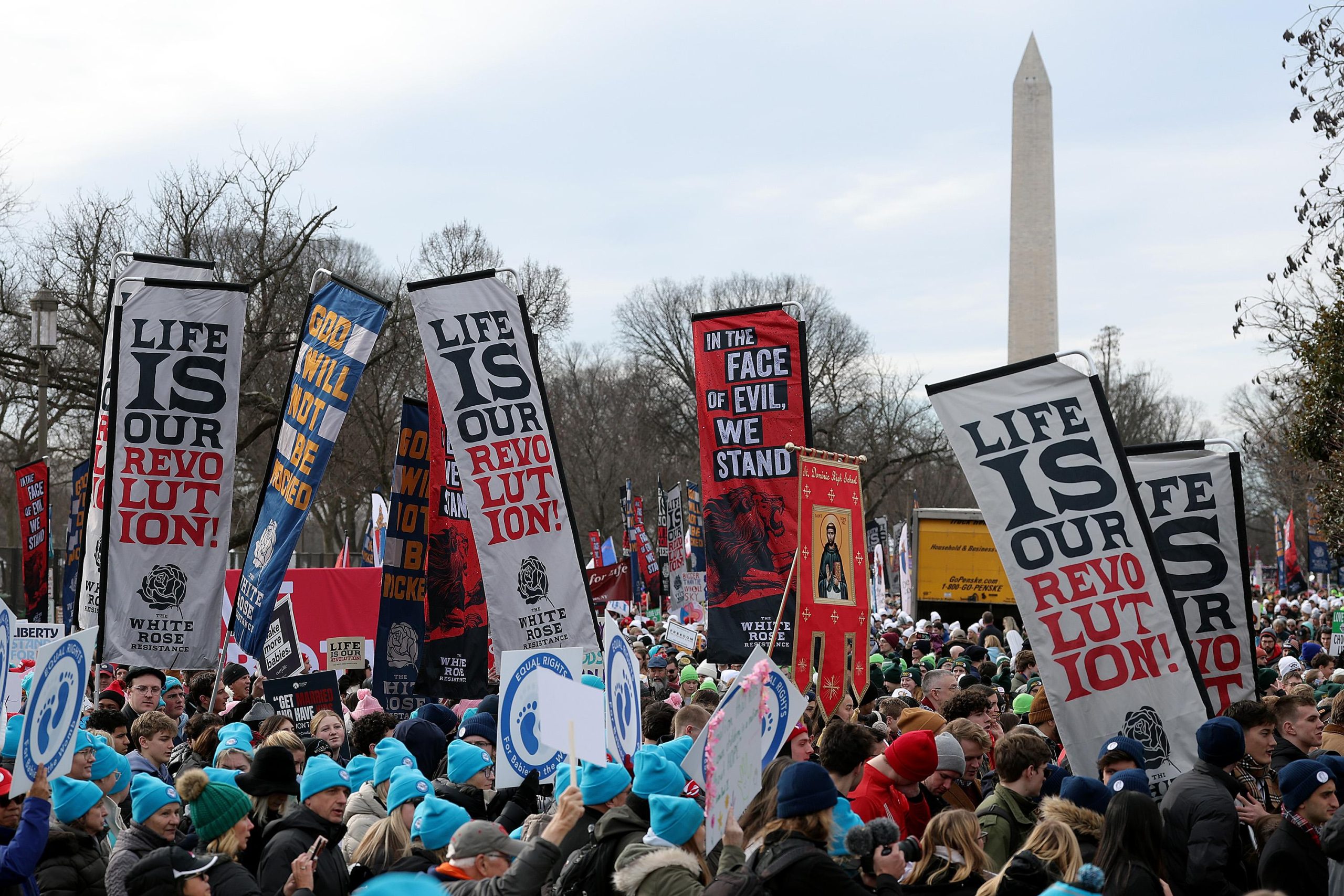
Abortion Fight: Why Trump’s Stance Disappoints Anti-Abortion Groups
The anti-abortion movement, despite significant victories in recent years, including the overturning of Roe v. Wade, finds itself at a crossroads. While they celebrate having allies in Congress and a sympathetic Supreme Court, a sense of unease permeates the movement, fueled by perceived shortcomings in the actions of former President Donald Trump. Despite Trump embracing the title of the “most pro-life president ever,” key figures within the movement are expressing disappointment and sounding alarm bells about the future.
A “States-Only” Strategy and Abandoned Commitments?
A core concern centers on what some view as the Trump administration’s “states-only” strategy regarding abortion legislation. This approach, which emphasizes individual state control over abortion laws, is seen by some as a departure from the movement’s long-held goal of federal-level restrictions and protections for the unborn. Leaders within the anti-abortion movement fear that if the Republican Party fully embraces this strategy, it will effectively abandon commitments to pro-life action at the national level, fundamentally altering the movement as they know it. This perceived lack of federal action, even with a Republican president and a conservative-leaning Supreme Court, has led to frustration and a sense that opportunities are being missed.
Beyond the Headlines: A Deeper Disconnect
The disappointment extends beyond specific policy decisions. Some within the movement feel that the Trump administration, while rhetorically supportive, did not prioritize abortion issues to the extent they had hoped. They argue that more could have been done to advance the cause, even within the constraints of the existing political landscape. This sentiment highlights a deeper disconnect between the movement’s expectations and the reality of political compromise and prioritization. While the overturning of Roe v. Wade was a monumental achievement, it also shifted the battleground to the states, creating a fragmented and complex landscape that requires a different approach – one that some believe the Trump administration did not fully grasp or embrace.
An Existential Moment for the Movement
The current situation is being described as an existential moment for the anti-abortion movement. The combination of perceived inaction at the federal level, the shift to state-by-state battles, and the internal debates over strategy has created a sense of uncertainty about the future. While the movement remains a powerful force in American politics, it faces significant challenges in navigating the post-Roe landscape and ensuring its long-term survival and effectiveness. The disappointment in Trump’s approach underscores the complexities and internal divisions within the movement, highlighting the ongoing struggle to define its goals and strategies in a rapidly changing political environment.
Based on materials: Vox



