
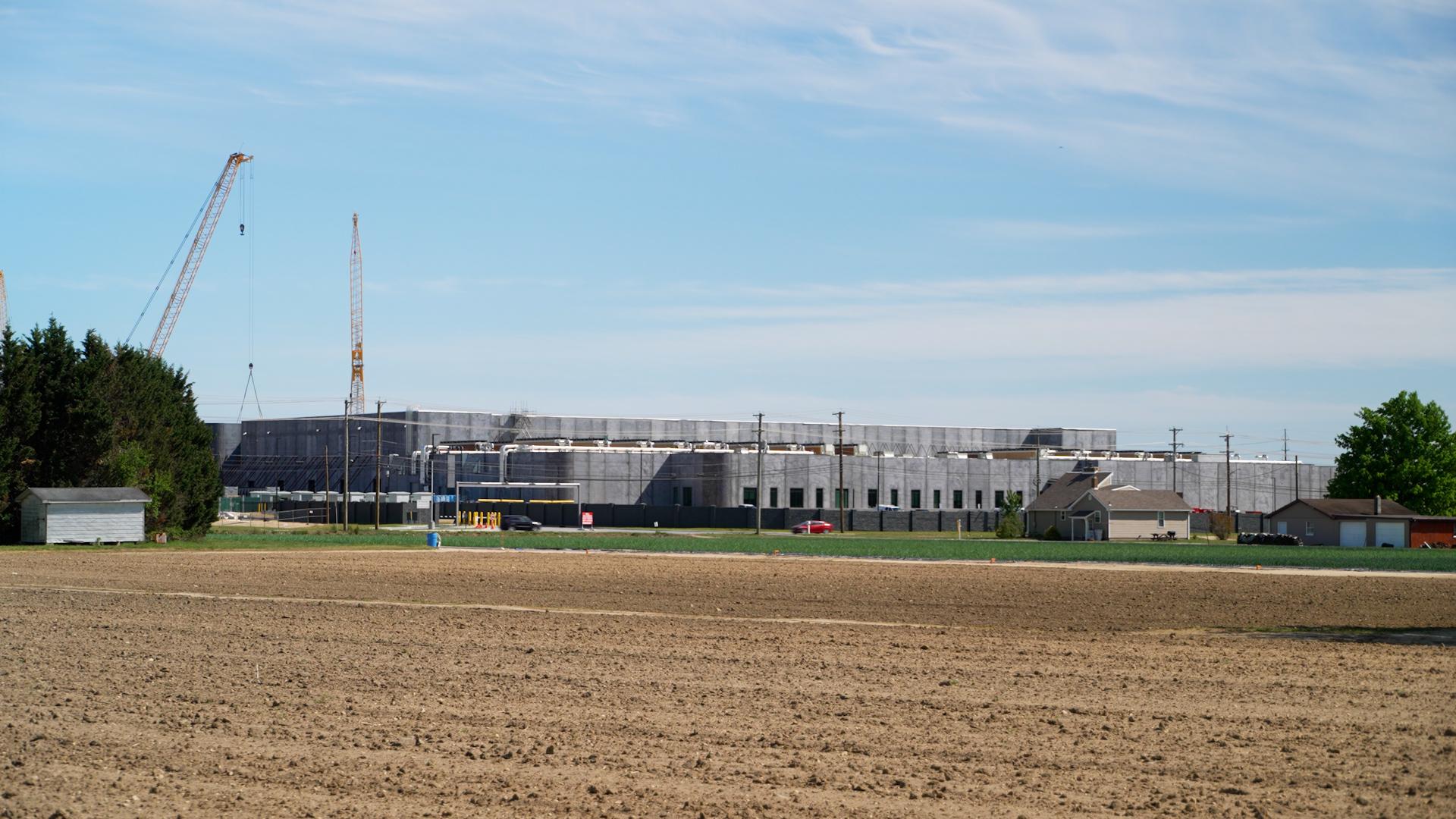
Data Center Boom Sparks Backlash: Why Americans Are Saying “No”
Despite the relentless march of technology and its ever-increasing demands for data storage and processing, a growing wave of opposition is building against the very infrastructure that makes it all possible: data centers. A recent Gallup poll reveals a striking sentiment: 70% of Americans oppose the construction of data centers in their local communities, with nearly half feeling strongly against them. This figure represents a significant jump of 18% in just two months, highlighting a rapidly escalating concern. But why are these digital powerhouses facing such resistance, even as their numbers swell across the nation?
Environmental Concerns and Quality of Life Take Center Stage
The reasons behind the growing animosity are multifaceted, but environmental impact and perceived quality of life degradation are at the forefront. Data centers are notorious energy hogs, consuming vast amounts of electricity to power their servers and maintain optimal operating temperatures. This energy consumption raises concerns about carbon emissions and the strain on local power grids. Beyond energy, the water usage required for cooling systems is also a significant issue, particularly in water-stressed regions.
Furthermore, residents often express concerns about the noise pollution generated by the constant hum of cooling equipment and the potential for increased traffic congestion during construction and operation. These factors contribute to a perception that data centers are unwelcome neighbors, disrupting the peace and negatively impacting the overall quality of life in surrounding communities.
Balancing Progress and Public Opinion
While the public’s apprehension is understandable, the relentless expansion of data centers underscores their critical role in today’s digital economy. From powering cloud computing and artificial intelligence to supporting e-commerce and streaming services, these facilities are the backbone of the internet. The challenge lies in finding a balance between technological advancement and community well-being.
This requires a multi-pronged approach. Firstly, developers and operators must prioritize sustainable practices, investing in energy-efficient technologies, renewable energy sources, and water conservation measures. Secondly, transparent communication and community engagement are essential. Addressing concerns openly and involving residents in the planning process can help mitigate opposition and foster a sense of partnership.
Conclusion: Navigating the Data Center Dilemma
The burgeoning opposition to data centers presents a significant challenge for the tech industry. As the demand for data processing and storage continues to grow, finding solutions that address environmental concerns and community anxieties is paramount. Ignoring these issues risks alienating the public and hindering the progress of technological innovation. The future of data centers hinges on a commitment to sustainability, transparency, and a willingness to engage with the communities they impact. Only then can we ensure that the digital revolution doesn’t come at the expense of local environments and quality of life.
Based on materials: Vox



