
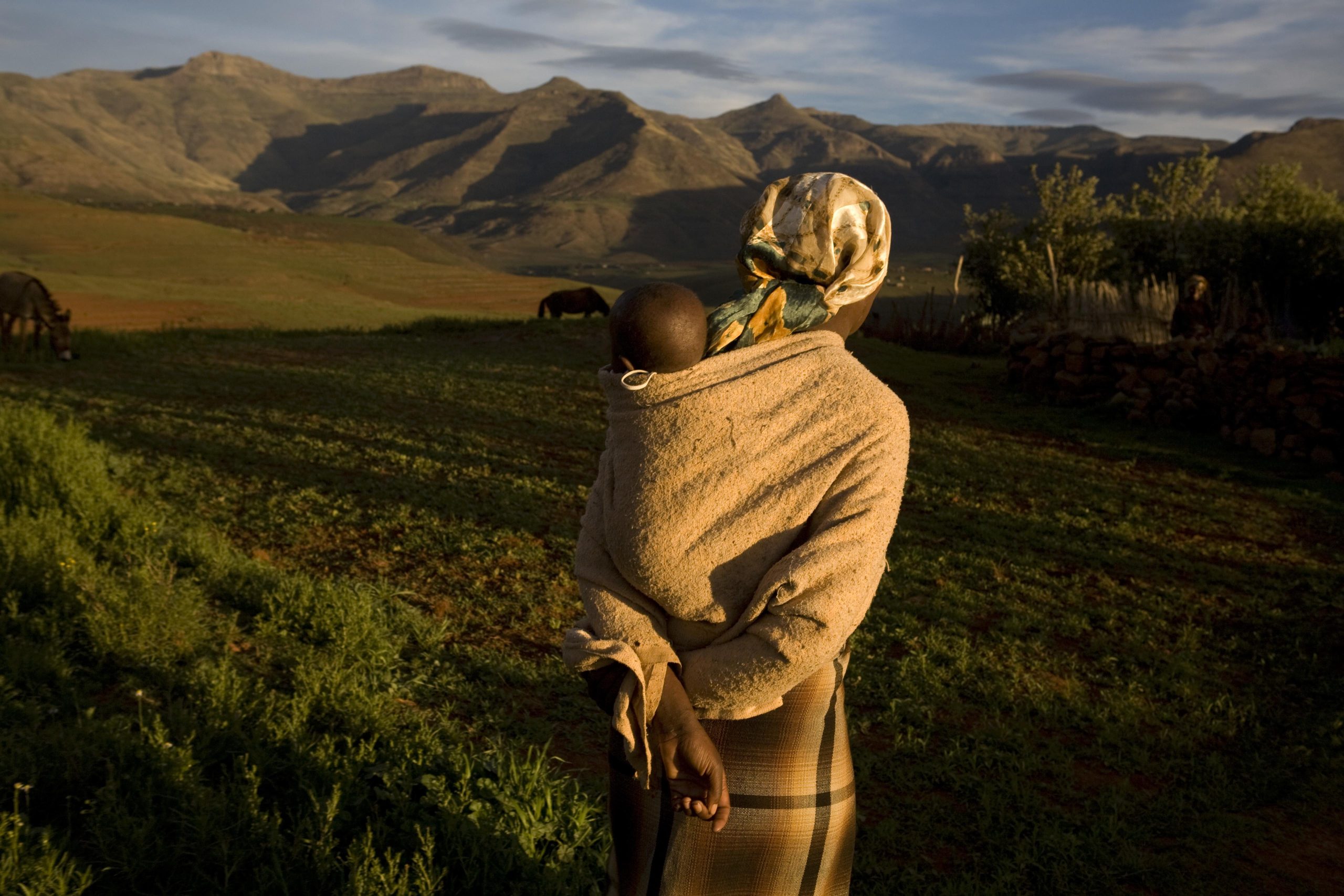
Hope on the Horizon: Eradicating HIV Transmission to Babies
For decades, the specter of HIV/AIDS cast a long shadow, particularly over vulnerable populations in regions like sub-Saharan Africa. The heartbreaking reality of children born with HIV, contracting the virus from their parents during pregnancy, childbirth, or breastfeeding, was a common tragedy. But advancements in medical science and a concerted global effort are bringing us closer than ever to a future where no child is born with HIV.
A Childhood Marked by Mystery
Ismail Harerimana’s story, recounted from his childhood in Uganda during the height of the AIDS crisis, is a stark reminder of the challenges faced. Plagued by recurrent infections and unexplained illnesses, Harerimana remained unaware of his HIV status until a chance encounter with a classmate revealed the truth hidden behind a false diagnosis. Such stories were commonplace, with hundreds of thousands of babies born with HIV annually, many not surviving past their second birthday.
Progress and Persistent Challenges
The dramatic reduction in mother-to-child HIV transmission is a testament to the power of prevention and treatment. Antiretroviral therapies (ART) have revolutionized the landscape, significantly reducing the viral load in HIV-positive pregnant women and minimizing the risk of transmission to their babies. Widespread testing and access to ART are crucial components of this success.
However, challenges remain. Reaching all pregnant women with testing and treatment, particularly in remote or underserved communities, is an ongoing effort. Stigma surrounding HIV can deter individuals from seeking care, and logistical hurdles in accessing medication can also impede progress. Furthermore, sustained funding for HIV prevention and treatment programs is essential to maintain momentum.
The Road to an HIV-Free Generation
Eliminating mother-to-child transmission of HIV is not just a medical imperative, it’s a moral one. The knowledge and tools exist to prevent this tragedy, but sustained commitment and resources are necessary to achieve this goal. Continued investment in research, improved access to healthcare, and addressing the social and economic factors that contribute to the spread of HIV are critical steps. By focusing on these areas, a future where no child is born with HIV is within reach, offering hope and a healthier future for generations to come.
Based on materials: Vox



