
Ocean Census Unveils a Treasure Trove of Deep-Sea Life
The deep ocean, a realm of perpetual darkness and crushing pressure, remains one of the most unexplored frontiers on Earth. But thanks to the ambitious Ocean Census project, that’s beginning to change. In just one year, this global initiative has announced the discovery of a staggering 1,121 previously unknown marine species, offering an unprecedented glimpse into the hidden biodiversity of our planet’s oceans.
Glass Castles and Ghost Sharks: A Glimpse into the Unknown
Among the fascinating finds is the
Dalhousiella yabukii
, a marine worm that makes its home inside a glass sea sponge. This delicate creature, residing in the cold waters off Japan, exemplifies the unique and often bizarre adaptations life can take in the deep sea. The glass sponge itself, with its intricate silica skeleton, provides a protected habitat for the worm, showcasing the complex interdependencies within these underwater ecosystems.
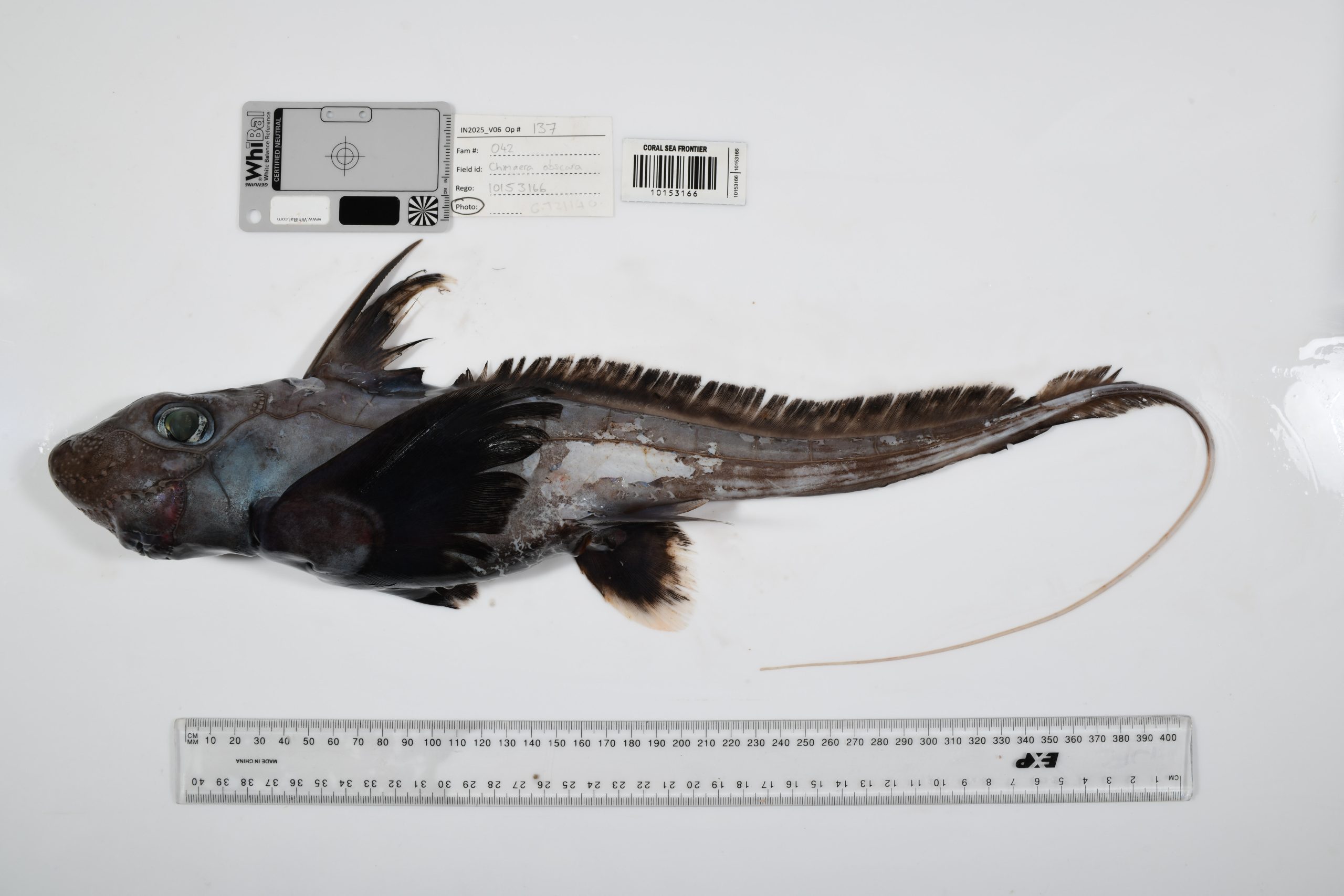
Another remarkable discovery is a species of chimaera, also known as a ghost shark. These cartilaginous fish, with their ethereal appearance and elusive nature, are rarely seen by humans. The Ocean Census project’s identification of a new species underscores the vastness of our ignorance about deep-sea fauna and the potential for further discoveries.
Accelerating the Pace of Discovery
Oliver Steeds, director of Ocean Census, emphasizes the significance of this achievement, highlighting the project’s goal of rapidly accelerating the identification of marine life. Traditional methods of species discovery are often slow and painstaking. Ocean Census is leveraging new technologies, collaborative efforts, and a global network of researchers to dramatically increase the rate at which we can understand and document the biodiversity of our oceans.
The implications of this accelerated discovery are profound. By identifying and cataloging marine species, we can better understand their roles in the ecosystem, assess their vulnerability to threats like climate change and pollution, and develop effective conservation strategies.
A Race Against Time
While the discovery of these new species is cause for celebration, it also underscores the urgency of marine conservation efforts. The deep sea, once thought to be immune to human impact, is increasingly threatened by activities such as deep-sea mining, bottom trawling, and plastic pollution.
The Ocean Census project serves as a critical reminder that we must act quickly to protect these fragile ecosystems before they are irrevocably damaged. By shining a light on the hidden wonders of the deep sea, Ocean Census inspires a renewed sense of responsibility to safeguard our planet’s oceans for future generations.
Based on materials: Vox



