
The image of a shark, jaws agape, is etched into our collective psyche as the ultimate predator. Yet, while sharks claim roughly six human lives annually, another creature slithers largely unnoticed, leaving a trail of devastation far more significant: the snake. Astonishingly, snakes are responsible for approximately 100,000 deaths each year, placing them among the deadliest animals on Earth, surpassed only by mosquitoes (vectors of diseases like malaria) and, tragically, humans themselves. But why, in an age of advanced medicine, do snakebites remain such a potent killer? The answer is a complex interplay of geography, economics, and neglect.
A Crisis Hidden in Plain Sight
The shocking reality is that the true scale of snakebite mortality has only recently come to light. For years, official figures, particularly in countries like India where half of all snakebite fatalities occur, significantly underestimated the problem. The reasons for this underreporting are manifold. Many victims live in remote, rural communities, far from hospitals and medical care. Deaths often occur in the fields or villages, unrecorded and unacknowledged by national statistics. This lack of accurate data has hampered efforts to address the crisis effectively.
The Antivenom Accessibility Gap
The primary treatment for venomous snakebites is antivenom, a life-saving serum derived from the venom of the snakes themselves. However, access to antivenom is severely limited in many of the regions most affected by snakebites. High costs, inadequate supply chains, and a lack of trained medical personnel to administer the treatment all contribute to the problem. Furthermore, antivenoms are often region-specific, meaning that an antivenom effective against one type of snake may be useless against another. Developing and distributing region-specific antivenoms is a complex and expensive undertaking, leaving many communities vulnerable.
Local Initiatives Offer Hope
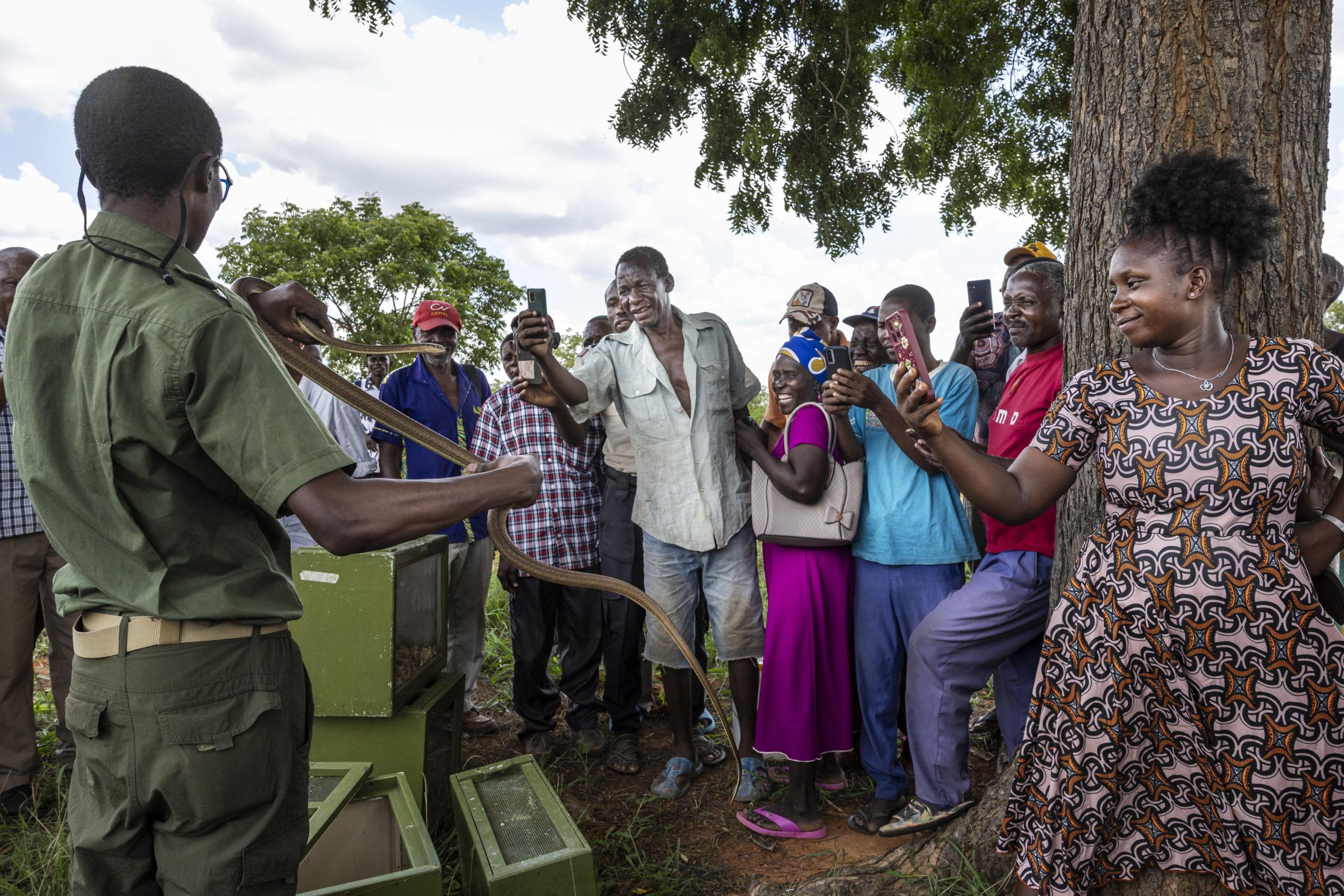
Despite the challenges, there are signs of progress. In Kenya, individuals like Zakaria Muturi, a snakebite survivor and venomous-snake handler, are leading snakebite awareness campaigns in rural communities. These efforts aim to educate people about snake identification, prevention measures, and the importance of seeking prompt medical attention. Simultaneously, Kenya is working to develop locally produced antivenom tailored to the specific snake species found in the region. These initiatives represent a crucial step toward addressing the snakebite crisis and saving lives.
Conclusion: A Call to Action
The staggering number of deaths caused by snakebites each year is a stark reminder of a neglected global health crisis. While the fear of sharks captures our imagination, the silent threat posed by snakes demands our attention and action. Increased investment in antivenom production and distribution, improved data collection, and community-based education programs are essential to reduce the burden of snakebite mortality and protect vulnerable populations. Only through a concerted global effort can we hope to silence this deadly killer.
Based on materials: Vox



