Trump’s Financial Dealings Spark Ethics Concerns
Former President Donald Trump’s business dealings are once again under intense scrutiny, raising serious questions about potential conflicts of interest and ethical boundaries. A series of recent revelations have brought Trump’s financial activities to the forefront, fueling concerns about profiteering and self-dealing during and after his time in office.
The Allegations: A Closer Look
The allegations against Trump are multifaceted. One involves the creation of a $1.776 billion “anti-weaponization fund,” reportedly under Trump’s sole control, as part of a settlement related to a lawsuit against the IRS. Critics argue that this fund lacks transparency and could be used for personal gain. Furthermore, the settlement allegedly includes a clause that immunizes Trump, his family, and his business interests from IRS audits, raising concerns about preferential treatment.
Another area of concern revolves around Trump’s stock trading activity. Reports indicate that he made approximately 3,700 stock trades in the first quarter of this year, with some trades allegedly occurring just before major policy decisions that could affect the value of those companies. This raises the specter of insider trading and suggests that Trump may have used his access to non-public information to enrich himself.
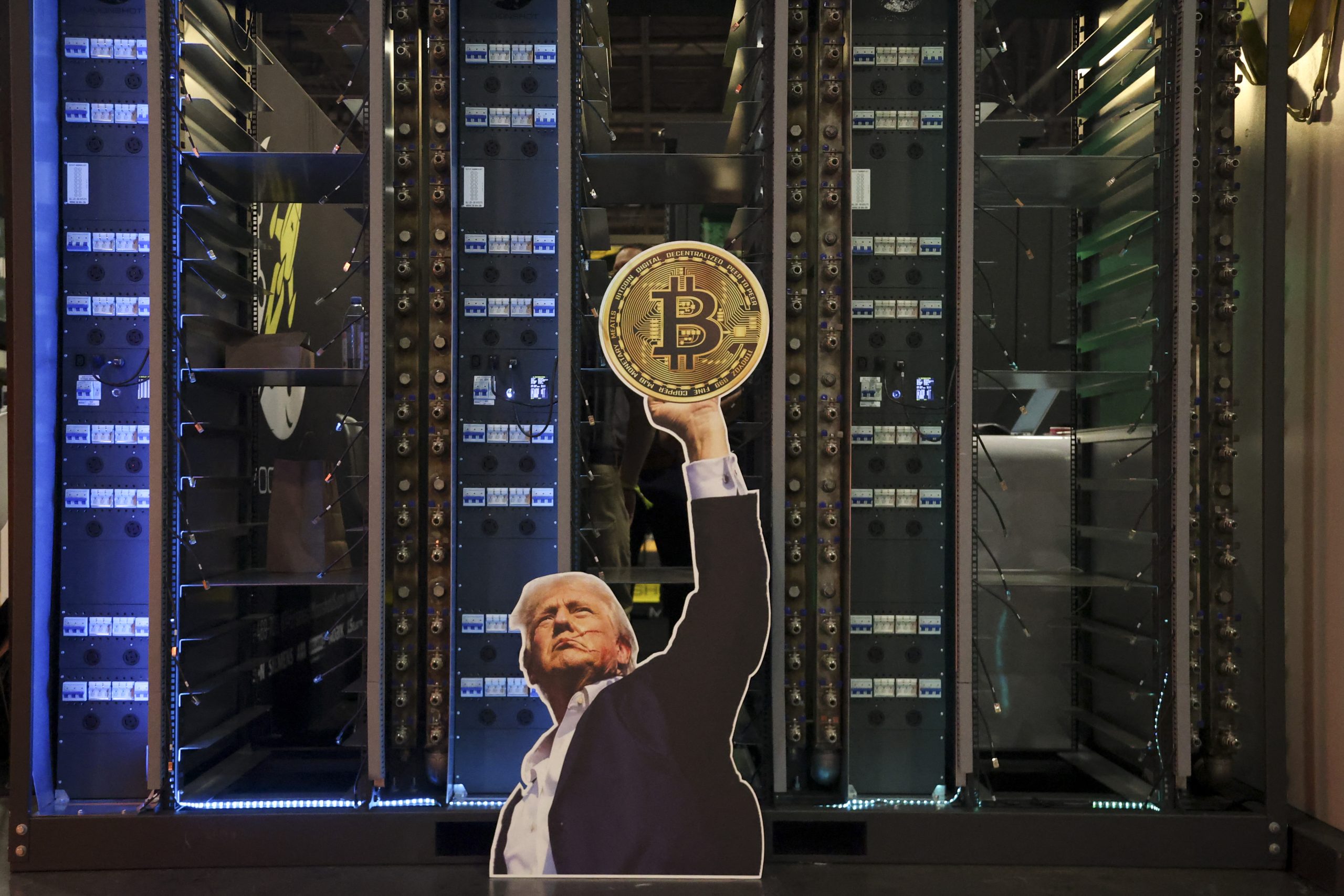
Finally, the Trump family’s involvement with the cryptocurrency venture, World Liberty Financial, has also drawn criticism. Since late 2024, the family has reportedly made a staggering $1.55 billion from this venture. This raises questions about the nature of the business, the potential for conflicts of interest, and whether the family is using its political influence to benefit financially.
Implications and Analysis
These allegations, if proven true, could have significant implications for Trump’s political future and the integrity of the U.S. political system. Critics argue that such behavior erodes public trust in government and undermines the principles of fair play and equal treatment under the law. The sheer scale of the alleged profiteering, coupled with the apparent lack of transparency, has led many to call for a thorough investigation into Trump’s financial dealings.
The ethical concerns surrounding Trump’s business activities are not new. Throughout his presidency, he faced criticism for his refusal to fully divest from his business empire and for alleged conflicts of interest involving his hotels and other properties. However, the recent revelations suggest that these concerns may be escalating and warrant greater scrutiny. The legal and political ramifications of these latest accusations are yet to be seen, but they undoubtedly cast a shadow over Trump’s legacy and raise fundamental questions about the role of money in politics.
Conclusion
As the investigations continue, the public will be watching closely to see how these allegations unfold. The outcome could have a profound impact on the future of American politics and the standards to which public officials are held accountable.
Based on materials: Vox