
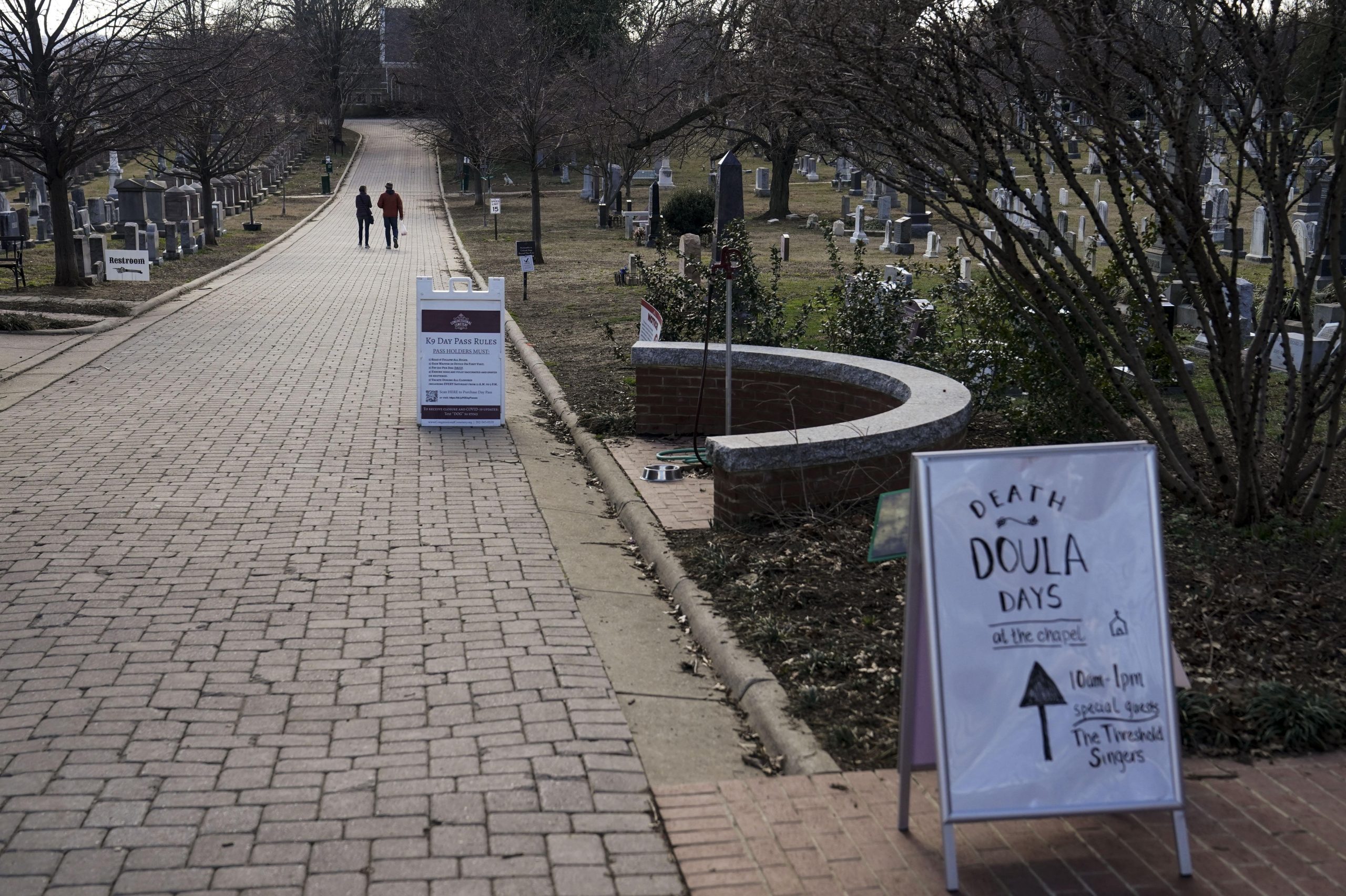
The Rising Interest in End-of-Life Care: Finding Peace in Facing Mortality
The concept of death, once a taboo subject, is gradually entering mainstream conversations, fueled by a growing awareness of end-of-life care and the invaluable role of death doulas. These compassionate professionals offer support and guidance to individuals and families navigating the complexities of mortality. Interest in this unique vocation has surged in recent years, even capturing the attention of celebrities like Nicole Kidman and Chloé Zhao, who have expressed interest in training as death doulas, highlighting the growing acceptance and normalization of discussions surrounding death and dying.
What Does a Death Doula Do?
Death doulas, also known as end-of-life doulas, provide a multifaceted support system during a person’s final journey. They act as companions, offering emotional solace and a comforting presence to both the dying individual and their loved ones. Their responsibilities extend beyond emotional support, encompassing practical assistance such as handling logistics, mediating between the family and medical staff, and ensuring the patient’s wishes are respected. Unlike hospice workers who provide medical care, death doulas focus on the emotional, spiritual, and practical needs of the patient and family. They create a space for open communication, helping individuals process their feelings, make peace with their past, and prepare for a peaceful transition.
Embracing the Inevitable: Finding Meaning in Mortality
The increasing interest in death doulas reflects a broader cultural shift towards embracing conversations about death and dying. Instead of fearing or avoiding the topic, individuals are seeking ways to approach mortality with greater awareness and acceptance. This involves planning for end-of-life care, discussing wishes with loved ones, and exploring personal beliefs about death and the afterlife. By engaging in these conversations, people can gain a sense of control and peace, ensuring their final days are aligned with their values and preferences. The rise of death doulas highlights a growing recognition that death is a natural part of life, and that with the right support, it can be a meaningful and transformative experience.
Conclusion: A More Open Dialogue
The work of death doulas is more than just assisting individuals in their final moments; it’s about fostering a cultural shift towards greater openness and acceptance of death. By providing compassionate care, practical support, and a safe space for conversation, they empower individuals to approach mortality with dignity, grace, and peace. As interest in end-of-life care continues to grow, death doulas will undoubtedly play an increasingly vital role in helping individuals and families navigate the complexities of death and dying.
Based on materials: Vox



