
Ebola Resurgence: Did Cuts to Prevention Fuel the Crisis?
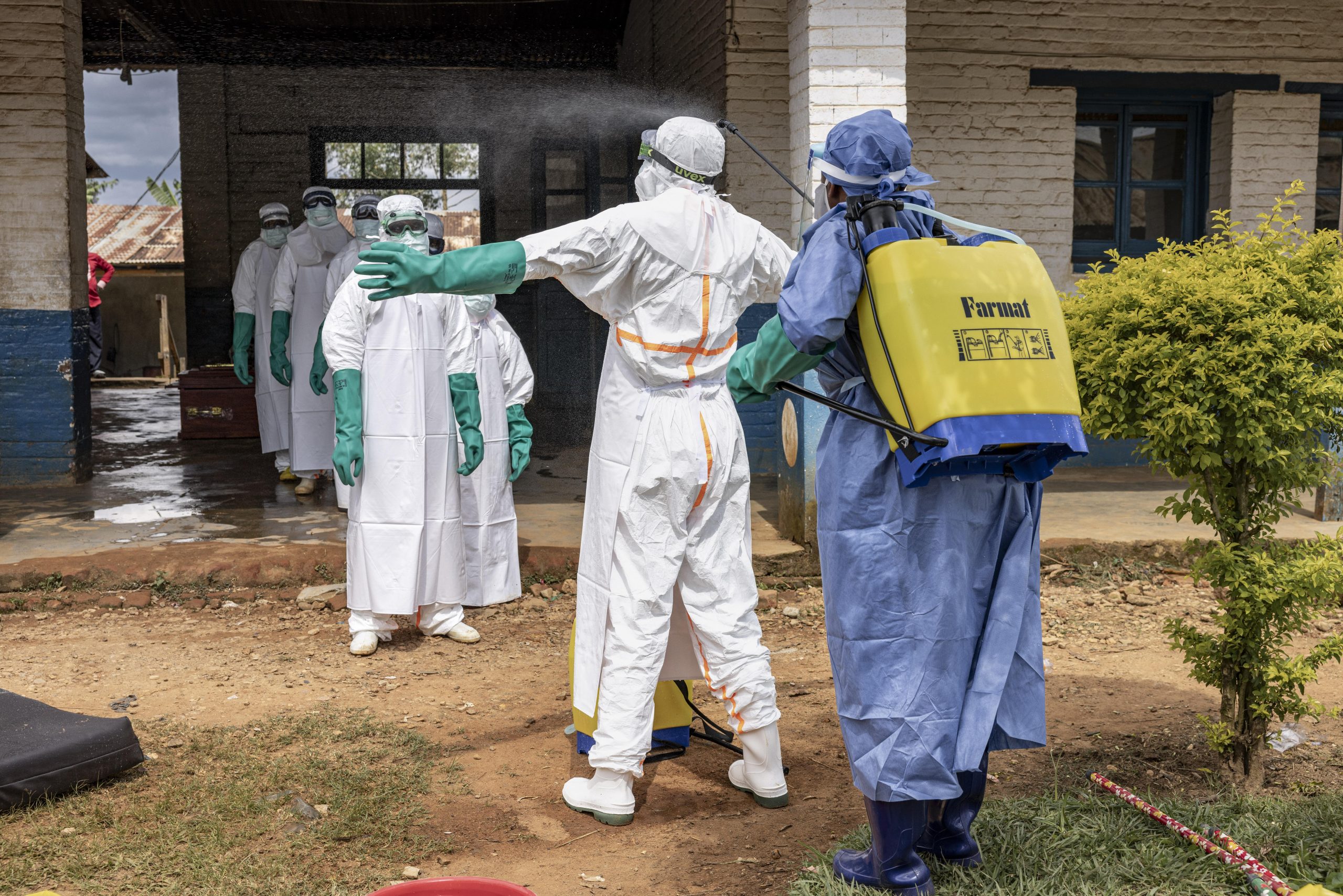
A devastating Ebola outbreak is currently ravaging the Democratic Republic of Congo and Uganda, raising critical questions about the impact of funding cuts to preventative measures. The World Health Organization (WHO) has declared the outbreak a “public health emergency of international concern,” marking only the ninth time it has issued such a dire warning. With at least 220 lives already lost, concerns are mounting that a lapse in funding and preventative programs exacerbated the situation, allowing the virus to spread rapidly.
The Claim and the Reality of “Restored” Funding
Earlier this year, reports surfaced alleging that drastic measures at the US Agency for International Development (USAID) led to the accidental cancellation of Ebola prevention efforts. While claims were made that funding was quickly restored and that no interruption occurred, the current crisis paints a different picture. The timing of the outbreak, coupled with reports from the ground, suggests that the initial disruption may have had severe consequences.
Preventative Measures: The Key to Containment
Ebola, a highly fatal virus, thrives in environments where healthcare infrastructure is weak and preventative measures are lacking. Effective prevention relies on a multi-pronged approach, including:
*
Surveillance:
Robust monitoring systems to detect and respond to potential outbreaks early.
*
Education:
Community-based programs to educate people about Ebola, its transmission, and how to protect themselves.
*
Healthcare Capacity:
Ensuring access to adequate healthcare facilities, trained personnel, and necessary medical supplies.
*
Vaccination:
When available, targeted vaccination campaigns to protect vulnerable populations.
A disruption in any of these areas can create a window of opportunity for the virus to spread unchecked. The current outbreak highlights the importance of sustained, consistent funding for these critical initiatives.
A Global Responsibility
The Ebola outbreak in the Democratic Republic of Congo and Uganda serves as a stark reminder of the interconnectedness of global health security. Defunding preventative measures, even temporarily, can have devastating consequences, not only for affected countries but also for the world. International collaboration, sustained funding, and a commitment to strengthening healthcare systems in vulnerable regions are essential to prevent future outbreaks and protect global health. It is important to note that this situation requires a deep dive into the validity of the initial claim, as well as a thorough investigation into the potential long-term effects of the funding interruptions.
SOURCE: Vox
Based on materials: Vox



