
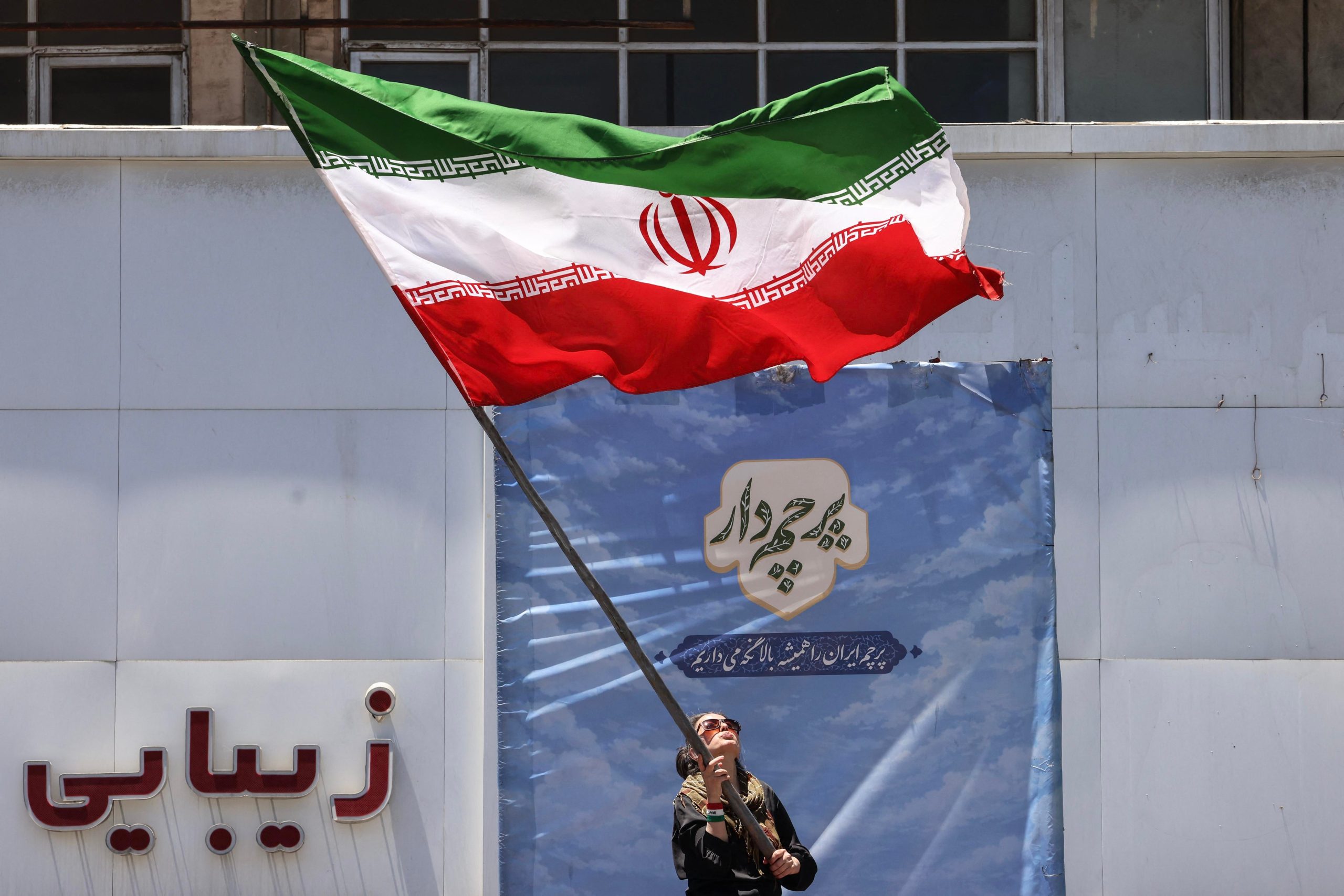
The Middle East is charting a new course following a recent peace accord between the United States and Iran. While significant questions linger regarding Tehran’s nuclear ambitions, the critical Strait of Hormuz, and the potential fallout from Israel’s conflict in Lebanon, one undeniable outcome has emerged: Iran has been fundamentally reshaped by the recent hostilities, leading to a dramatic recalibration of regional power dynamics.
A State Forged in Conflict
Experts Narges Bajoghli and Vali Nasr, in an upcoming
Foreign Affairs
piece, articulate a profound transformation within Iran. They observe that “rather than breaking Iran, the crucible of war has transformed it in unanticipated ways.” To navigate the existential threats and secure new strategic footholds, the Islamic Republic was compelled to adapt and innovate. This imperative forced a reevaluation of its military strategies, the internal governance of the state, and the management of its society. The war, therefore, acted not as a destructive force, but as a catalyst for reinvention.
Shifting Sands of Power
The implications of Iran’s adaptation extend beyond its borders. The conflict has irrevocably altered the geopolitical landscape, presenting a new challenge to long-standing regional orders. As Iran developed novel approaches to warfare and statecraft under duress, it has emerged with a strengthened, albeit transformed, national identity and a more assertive posture. This evolution is not merely a theoretical construct; it represents a tangible shift in the balance of power that will undoubtedly influence future diplomatic engagements and security considerations across the Middle East.
Unresolved Questions and Future Trajectories
Despite the new peace agreement, the path forward remains fraught with complexity. The unresolved questions surrounding Iran’s nuclear program and the strategic importance of the Strait of Hormuz will continue to be focal points for international concern. Furthermore, the lingering instability from the conflict in Lebanon poses a persistent threat to regional peace. The war’s legacy is thus a mixed one: a transformed Iran now occupies a more prominent, albeit complex, role, while the underlying tensions that fueled the conflict persist, demanding careful navigation and sustained diplomatic effort. The “win” for Iran, as suggested by the source title, appears to be less about outright military victory and more about its surprising resilience and strategic adaptation, leading to an elevated regional status.
SOURCE: Vox
Based on materials: Vox



