
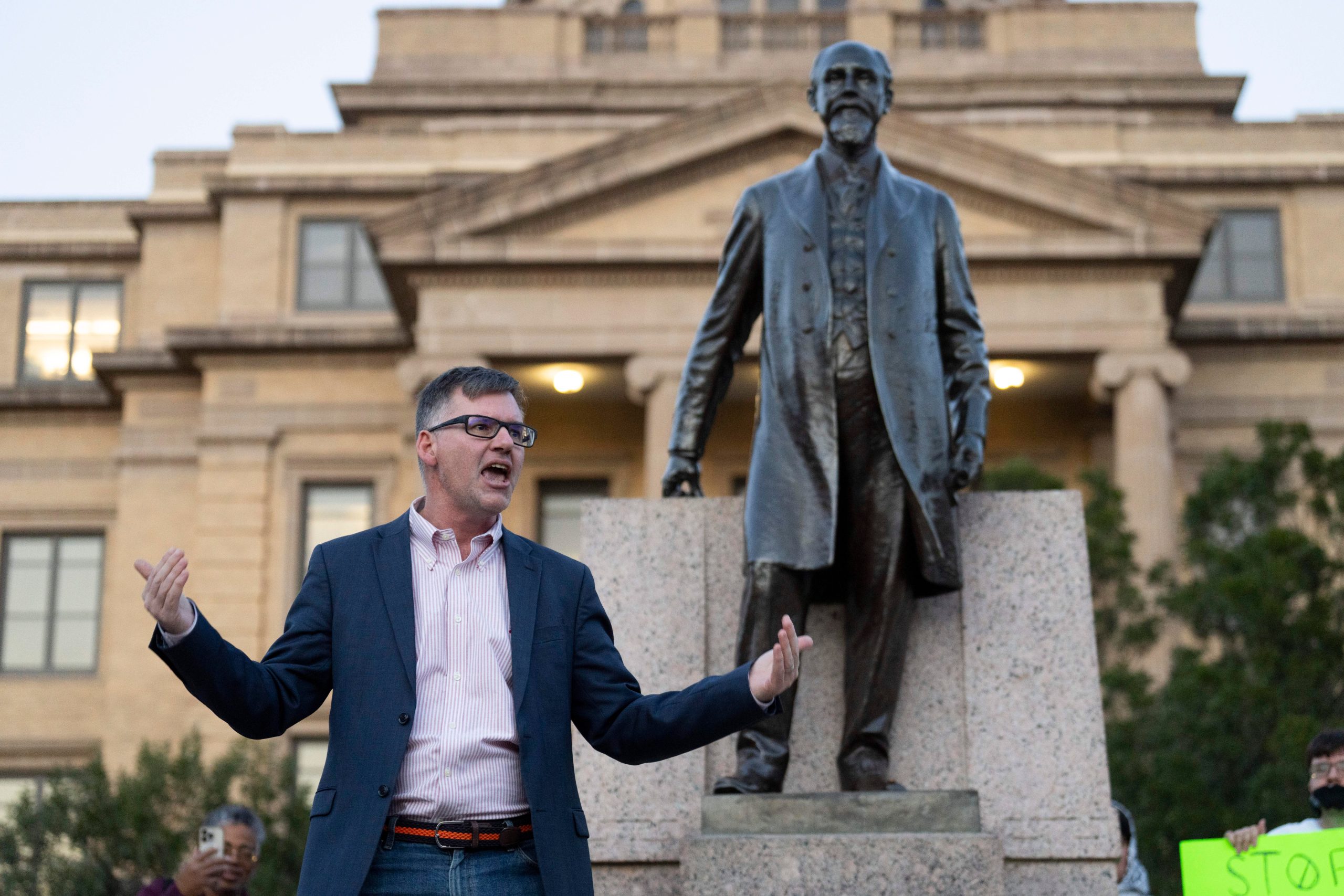
A seemingly routine ethics course at Texas A&M University has unexpectedly thrust a philosophy professor into the global spotlight, igniting a firestorm over academic freedom and curriculum control. Professor Martin Peterson was recently instructed by university officials to remove excerpts from Plato’s
Symposium
from his syllabus for a contemporary moral issues class. The controversy stems from a new university policy that restricts discussions on race and gender in the classroom.
The specific passages in question from Plato’s ancient work explore themes of same-sex relationships and the formation of gender identity, topics now deemed sensitive under the university’s revised guidelines. Peterson received the directive in January from his department head, marking a significant moment that transcended the usual academic discourse. The incident quickly garnered international attention, with Peterson finding himself fielding interview requests from numerous media outlets worldwide, a testament to the broad implications of such a decision.
Navigating the Intersection of Policy and Philosophy
The university’s move to censor a foundational figure in Western philosophy has raised profound questions about the boundaries of academic inquiry and the potential for ideological interference in higher education. Critics argue that the policy, and its application to Plato, stifles intellectual exploration and limits students’ exposure to diverse philosophical perspectives, even those predating modern discussions on race and gender. Supporters of the policy, however, might contend that it aims to ensure classroom discussions remain focused and avoid topics that could be perceived as divisive or inappropriate for a general ethics course.
This situation at Texas A&M is not an isolated incident but reflects a broader trend of scrutiny and debate surrounding curriculum content in educational institutions across the country. As universities grapple with evolving societal norms and political pressures, the challenge lies in balancing the need for inclusive and safe learning environments with the fundamental principle of academic freedom, which champions the unfettered pursuit and dissemination of knowledge.
The Ripple Effect on Academic Freedom
The implications of this incident extend far beyond Professor Peterson’s classroom. The pressure to conform to institutional policies, especially those concerning sensitive topics, can create a chilling effect on faculty, potentially discouraging them from engaging with challenging or controversial material. This, in turn, could lead to a more homogenized and less intellectually rigorous academic experience for students. The debate underscores the critical role of academic freedom in fostering critical thinking, encouraging open dialogue, and preparing students to engage with complex societal issues. The global reaction to this story highlights the universal value placed on the freedom to teach and learn without undue constraint.
The Texas A&M situation serves as a potent reminder of the ongoing dialogue surrounding curriculum, censorship, and the very purpose of higher education in a rapidly changing world. As institutions navigate these complex waters, the principles of academic integrity and intellectual inquiry remain paramount.
Based on materials: Vox



