
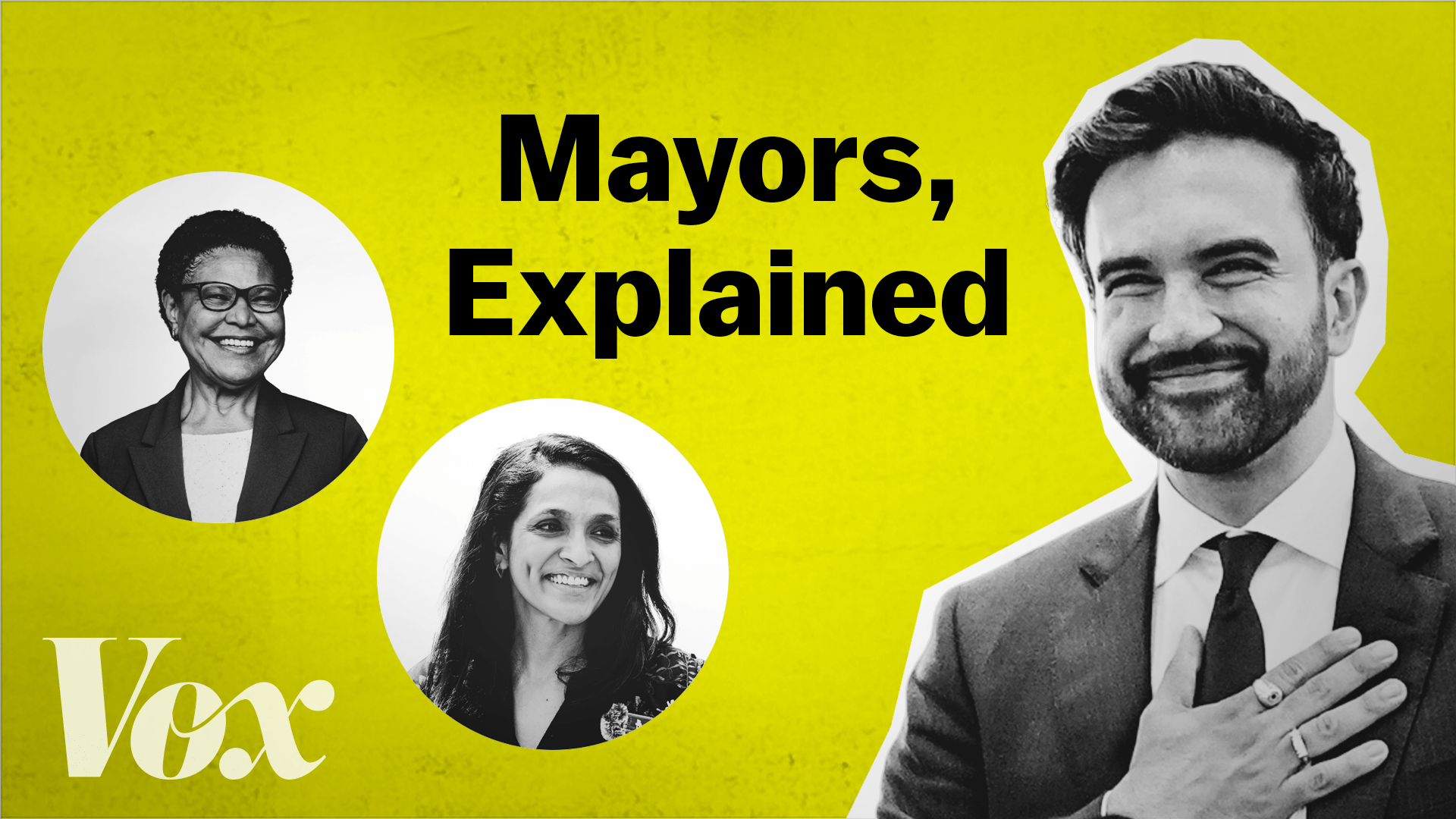
Los Angeles is gearing up for a high-stakes mayoral election in November, with incumbent Karen Bass facing a challenge from Councilmember Nithya Raman. As Raman, a progressive voice, sharpens her focus on critical issues like housing and affordability, a familiar question looms large over the city’s leadership: why do LA mayors often struggle to effect significant change? The answer, surprisingly, is rooted in the city’s very foundation, a product of early 20th-century reform movements.
A Legacy of Decentralization
The current structure of the Los Angeles mayor’s office is not an accident but a deliberate design choice. When the city charter was drafted at the turn of the 20th century, it was a direct response to the rampant corruption and centralized power that had characterized cities like New York and Chicago. The progressive movement of that era championed decentralization and a diffusion of power as a bulwark against such abuses. This led to the creation of a city government where numerous independent boards and commissions hold substantial sway over policy and implementation, effectively diluting the mayor’s direct authority.
The System’s Constraints
This decentralized model, while perhaps effective in preventing tyranny, has created a unique set of challenges for modern mayors. The mayor of Los Angeles, unlike their counterparts in many other major American cities, does not possess absolute control over city departments or a direct say in the budgeting for many crucial services. Instead, a complex web of elected officials, appointed boards, and independent agencies often dictates the pace and direction of policy. This means that even a mayor with a clear vision and strong public support can find their agenda stalled by bureaucratic inertia or the competing priorities of these autonomous bodies.
Implications for the Upcoming Election
As Nithya Raman, who has aligned herself with a progressive platform, prepares to challenge Mayor Bass, understanding these systemic limitations is crucial for voters. While both candidates will undoubtedly promise solutions to the pressing issues facing Angelenos, the actual capacity of the mayor’s office to deliver on those promises is significantly constrained by the city’s charter. This reality often leads to public frustration and a perception of mayoral ineffectiveness, regardless of the individual leader’s capabilities or intentions. The election will not only be a contest of personalities and policy proposals but also a referendum on whether the city can find ways to empower its chief executive within the existing, deeply ingrained governmental framework. The question for Los Angeles remains: can a mayor truly lead when the reins of power are so widely distributed?
Based on materials: Vox



