
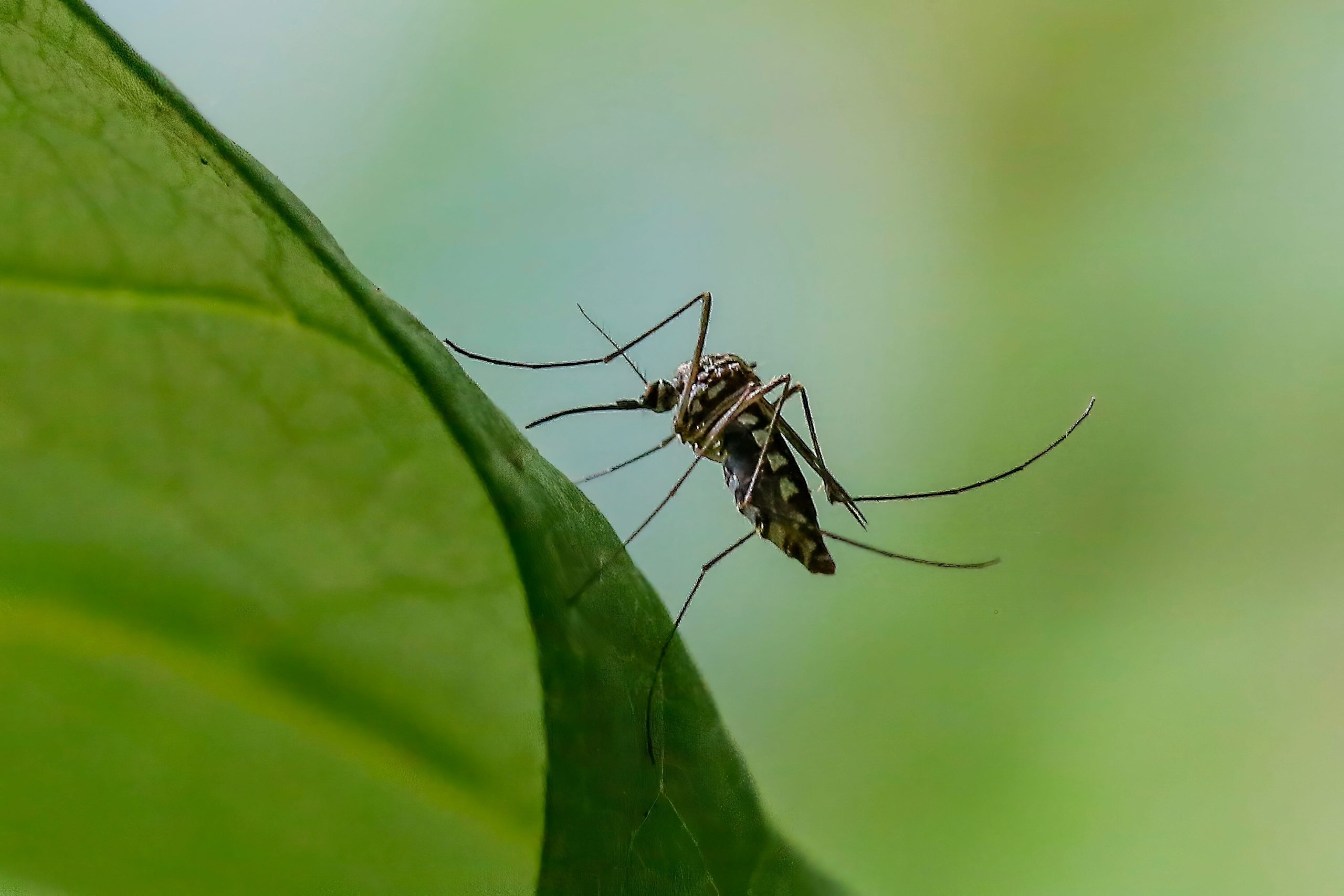
The mere mention of mosquitoes often conjures images of itchy bites and irritating swatting. While these tiny insects are undeniably a nuisance, particularly during idyllic summer evenings, their potential eradication presents a far more complex scenario than many might assume. Despite their role as vectors for devastating diseases, a world entirely free of mosquitoes could have unforeseen and detrimental consequences for our planet’s delicate ecosystems.
The current scientific landscape is abuzz with efforts to control mosquito populations. Initiatives like Google’s “Debug” program, which sought EPA approval for experimental mosquito releases, highlight a growing ambition to curb the spread of mosquito-borne illnesses. These diseases, such as malaria, claim hundreds of thousands of lives annually, making the desire to eliminate their carriers understandable. However, the narrative of a simple pest to be eradicated overlooks the intricate role mosquitoes play in the environment.
Beyond the Bite: Mosquitoes’ Ecological Footprint
While the deadliest animal on Earth due to disease transmission, mosquitoes are more than just disease vectors. They serve as a crucial food source for a variety of other creatures. Birds, bats, fish, and amphibians all rely on mosquitoes at different stages of their life cycle. Imagine the ripple effect of removing this significant food source from the food web. This could lead to population declines in predator species, impacting the balance of entire ecosystems. Furthermore, mosquito larvae play a role in filtering water in aquatic environments, contributing to water quality.
The Unforeseen Consequences of Elimination
The drive to eliminate mosquitoes, though well-intentioned, raises profound questions about ecological intervention. Scientists are exploring various methods, from genetic modification to targeted insecticides, to reduce mosquito numbers. However, the unintended consequences of such widespread eradication are a significant concern. If mosquito populations were to collapse entirely, other insect species might not be able to fill the ecological niches they occupy. This could lead to a less resilient and diverse environment. The very ecosystems that mosquitoes inhabit are often dependent on their presence, however unwelcome they may be to humans.
A Call for Nuance in the Fight
Ultimately, the desire for a mosquito-free world, while understandable given the health risks they pose, requires a more nuanced approach. The focus is increasingly shifting from complete eradication to more targeted and sustainable control methods. This involves understanding mosquito biology and behavior to develop strategies that reduce disease transmission without causing significant ecological disruption. It’s a delicate balancing act, acknowledging the threat mosquitoes pose while recognizing their integral, albeit often unappreciated, place in the natural world. The fight against mosquito-borne diseases continues, but it is increasingly framed by the imperative of preserving ecological integrity.
Based on materials: Vox



