
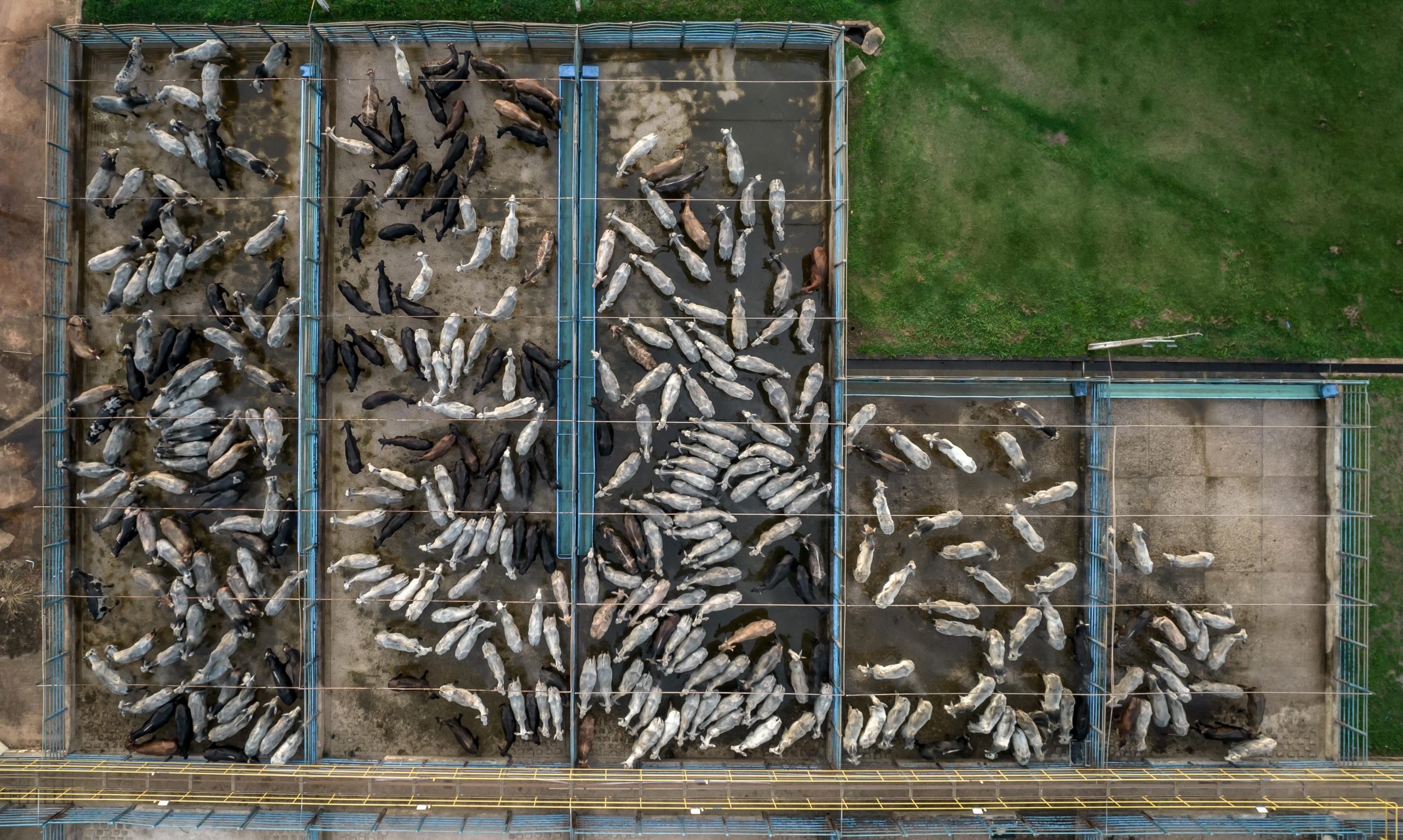
The environmental footprint of beef production is a well-documented concern, with cattle contributing significantly to global greenhouse gas emissions. However, the impact of the livestock industry extends far beyond the dinner plate. A substantial portion of cattle hides are transformed into leather goods – shoes, handbags, furniture, and car interiors – products often marketed with a narrative of sustainability that belies their true environmental implications.
For years, the fashion and manufacturing industries have promoted leather as an innocuous by-product of meat consumption. The argument posits that without leather production, these hides would simply be discarded as waste. This perspective, however, overlooks a crucial economic reality: the global leather market is a multi-billion dollar industry, representing a significant revenue stream for cattle ranchers. To dismiss leather as mere waste is akin to calling paper an incidental outcome of logging; it ignores the inherent value and economic importance of the material itself within the broader agricultural system.
The Intertwined Fate of Meat and Hide
The notion that leather is solely a “by-product” is a misleading simplification. Cattle are raised not just for their meat, but for their hides as well. In many operations, the value derived from leather production directly influences the economic viability of raising cattle. This economic symbiosis means that the demand for leather is not merely a passive consequence of meat consumption; it actively contributes to the scale of cattle farming. Consequently, the environmental burdens associated with raising cattle – including land use, water consumption, and methane emissions – are intrinsically linked to the production of leather goods.
Deforestation and Global Impact
The demand for leather has direct ties to land use practices, particularly concerning deforestation. In regions like the Amazon rainforest, cattle ranching is a primary driver of forest clearing. While some of this land is for grazing, a portion is also dedicated to cultivating feed for the animals. When leather products are marketed as sustainable alternatives, this connection to habitat destruction and biodiversity loss is often conveniently omitted. The environmental cost of a leather handbag or a car seat, therefore, extends beyond the processing of the hide to encompass the vast tracts of land cleared to support the livestock industry.
Rethinking “Sustainable” Leather
As consumers increasingly scrutinize the environmental impact of their purchases, the narrative surrounding leather needs a critical re-evaluation. While some advancements are being made in more sustainable tanning processes and the development of leather alternatives, the fundamental link between cattle farming and climate change remains. The “by-product” defense for leather is increasingly untenable when considering its significant economic contribution to an industry with a substantial environmental footprint. Consumers and industries alike must look beyond superficial sustainability claims and acknowledge the complex web of environmental consequences woven into the production of leather.
CONCLUSION:
The leather industry, often presented as a responsible way to utilize a meat industry waste product, is in reality an integral and economically significant component of cattle farming. This inherent connection means that the environmental costs associated with raising cattle – from greenhouse gas emissions to deforestation – are directly attributable to leather production. As the global market for leather continues to thrive, a more transparent and honest assessment of its true climate impact is crucial for fostering genuine sustainability in consumer goods.
Based on materials: Vox



