
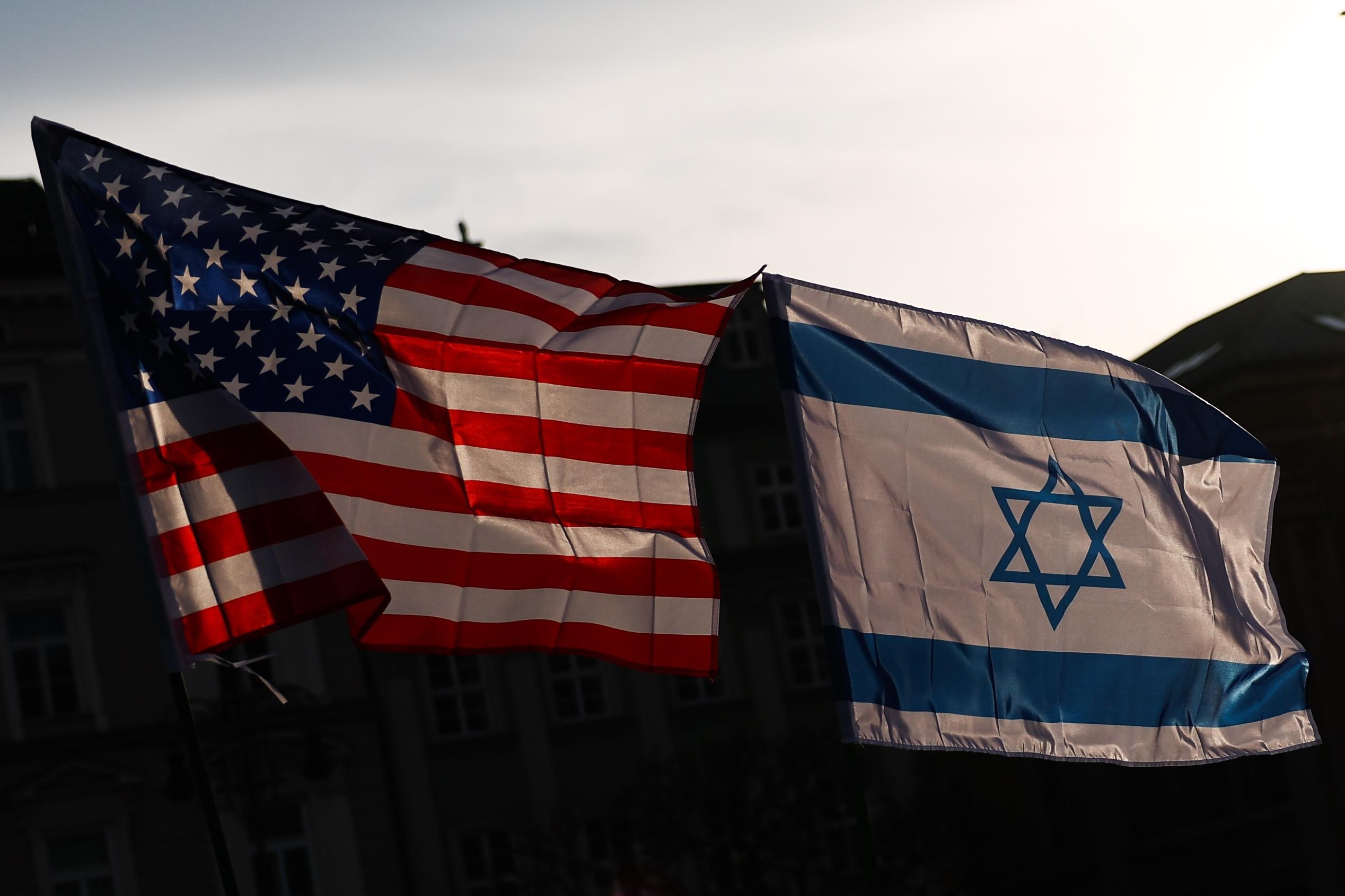
The bedrock of the long-standing alliance between the United States and Israel is being tested, with a prominent former Obama administration official delivering a stark warning to Tel Aviv: significant changes are necessary to preserve the crucial bond. Rahm Emanuel, a former White House Chief of Staff and a figure frequently discussed as a potential future presidential contender, recently addressed the Israeli public in Tel Aviv, asserting that the alliance has reached a critical juncture.
“Without question, the alliance is at a crossroads,” Emanuel stated, emphasizing that the relationship “cannot stand or survive as it has been.” He articulated a clear message: “To maintain the strength of our ties, we need significant changes and a new direction.” This direct address underscores a growing sentiment within certain American political circles that the status quo of U.S.-Israel relations is unsustainable without recalibration.
A Sparta in the Modern Age?
Emanuel’s critique specifically targeted the current trajectory of Israel under Prime Minister Benjamin Netanyahu, painting a picture of a nation he described as a “modern-day Sparta.” This characterization implies a state heavily focused on militarism and expansionism, a perception that Emanuel believes is alienating key segments of American society, particularly within the Democratic Party. He suggested that Israel’s approach, which he characterized as rooted in the idea of “crushing Palestinians under its foot,” is no longer compatible with the kind of “unconditional support” that has historically characterized the U.S.-Israel relationship.
The former Chief of Staff’s remarks highlight a perceived shift in American public opinion and political consensus. While bipartisan support for Israel has been a hallmark of U.S. foreign policy for decades, recent years have seen increasing dissent and criticism, especially from the progressive wing of the Democratic Party, regarding Israeli policies in the Palestinian territories. Emanuel’s speech appears to acknowledge and, to some extent, validate these growing concerns, suggesting that such sentiments are impacting the core of the alliance.
Shifting Sands of Support
The implications of Emanuel’s speech are far-reaching. By framing the issue as a matter of maintaining American allyship, he is implicitly urging Israel to consider the geopolitical consequences of its actions and policies. The “stern message” delivered in Tel Aviv suggests a strategic calculation: that Israel’s current path risks eroding vital political and popular support in the United States. This is particularly relevant as Emanuel himself is a figure with significant political capital and a deep understanding of Washington’s inner workings.
His commentary serves as a bellwether for potential future shifts in U.S. foreign policy, especially if figures like him gain further influence. The notion of an alliance at a “crossroads” implies that the traditional dynamics are evolving, and that continued unwavering support may be contingent on reciprocal adjustments from Israel. The speech is likely to spark intense debate within both Israeli and American political spheres, forcing a re-examination of the foundations and future of one of the world’s most significant bilateral relationships.
Based on materials: Vox



