
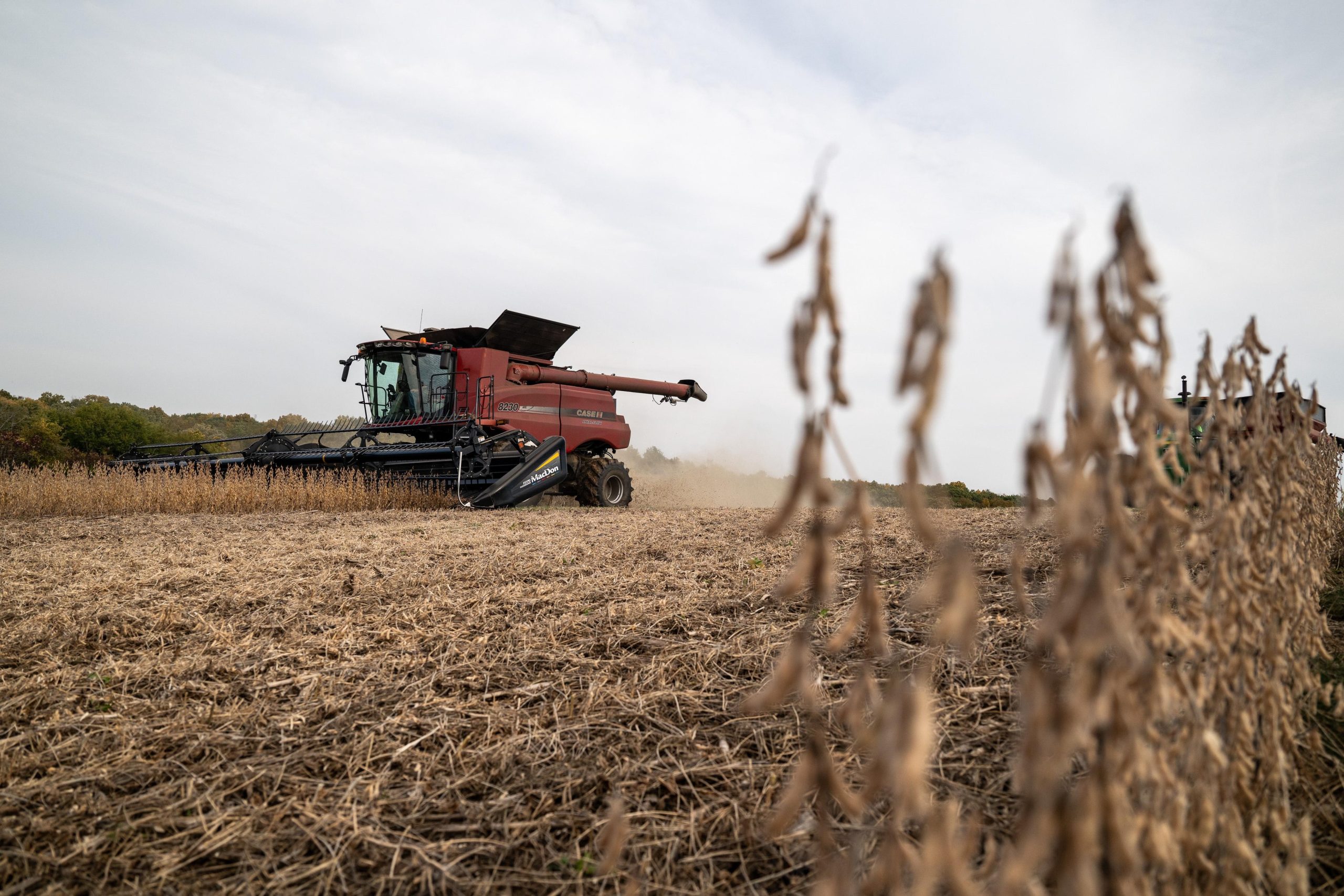
The humble soybean, a nutritional powerhouse capable of feeding billions, is increasingly entangled in a complex and controversial web of renewable energy policy. While lauded for its efficiency and health benefits, the widespread cultivation of soy in the United States is now primarily driven not by dietary demand, but by government mandates that funnel this versatile crop into fuel tanks. This practice, critics argue, represents a squandering of its potential and carries significant environmental and economic consequences.
For two decades, the U.S. Renewable Fuel Standard (RFS) has been a cornerstone of the nation’s biofuel policy. This regulation compels fuel producers to blend a certain volume of renewable fuels, derived from agricultural products like corn and soybeans, into the nation’s fuel supply. Soybeans, America’s second most cultivated crop, now occupy a staggering portion of arable land, a significant expansion fueled by this policy. The primary driver for this acreage isn’t a surge in global demand for tofu or soy milk, but rather the RFS’s mandate to convert soy into biofuels. This raises critical questions about whether we are truly maximizing the benefits of this agricultural marvel.
The Unintended Consequences of Biofuel Mandates
The RFS, initially conceived to reduce reliance on fossil fuels and boost agricultural economies, has faced mounting criticism for its unintended consequences. While soybeans offer a rich source of protein and nutrients, a substantial portion of their production is now dedicated to biofuel, a market that often prioritizes volume over nutritional or environmental optimization. This redirection of resources means that land, water, and agricultural inputs are being used for fuel production, potentially at the expense of food security or more sustainable land-use practices. Furthermore, the intensive farming methods often employed to meet the high demand for soy can lead to soil degradation, water pollution from agricultural runoff, and habitat loss for wildlife. The environmental benefits touted by biofuel advocates are, therefore, increasingly being weighed against these significant ecological costs.
Shifting Perspectives on Renewable Energy
The debate over the RFS and its reliance on crops like soy highlights a broader re-evaluation of renewable energy strategies. While the goal of transitioning away from fossil fuels remains paramount, the methods employed are under scrutiny. Critics suggest that a greater focus on true energy innovation – such as advanced biofuels derived from non-food sources, solar, wind, and other forms of sustainable energy – might offer more environmentally sound and economically efficient solutions. The current reliance on commodity crops for fuel production, while seemingly a direct route to renewable energy, may be a short-sighted approach that compromises the long-term sustainability of both our agricultural systems and our energy infrastructure. As the nation navigates its energy future, the role of crops like soybeans in the renewable energy landscape will undoubtedly remain a contentious, yet crucial, point of discussion.
CONCLUSION:
The story of soy and its role in U.S. renewable energy policy serves as a potent case study in the complexities of implementing ambitious environmental goals. While the intention behind the Renewable Fuel Standard was to foster cleaner energy solutions, its heavy reliance on agricultural commodities like soybeans has sparked considerable debate. The vast tracts of land dedicated to soy cultivation for biofuel production raise important questions about resource allocation, environmental impact, and the true definition of sustainable energy. As policymakers and industry leaders continue to shape the future of energy, a more nuanced and diversified approach to renewable energy sources, one that minimizes trade-offs and maximizes genuine environmental benefits, will be essential.
Based on materials: Vox



