
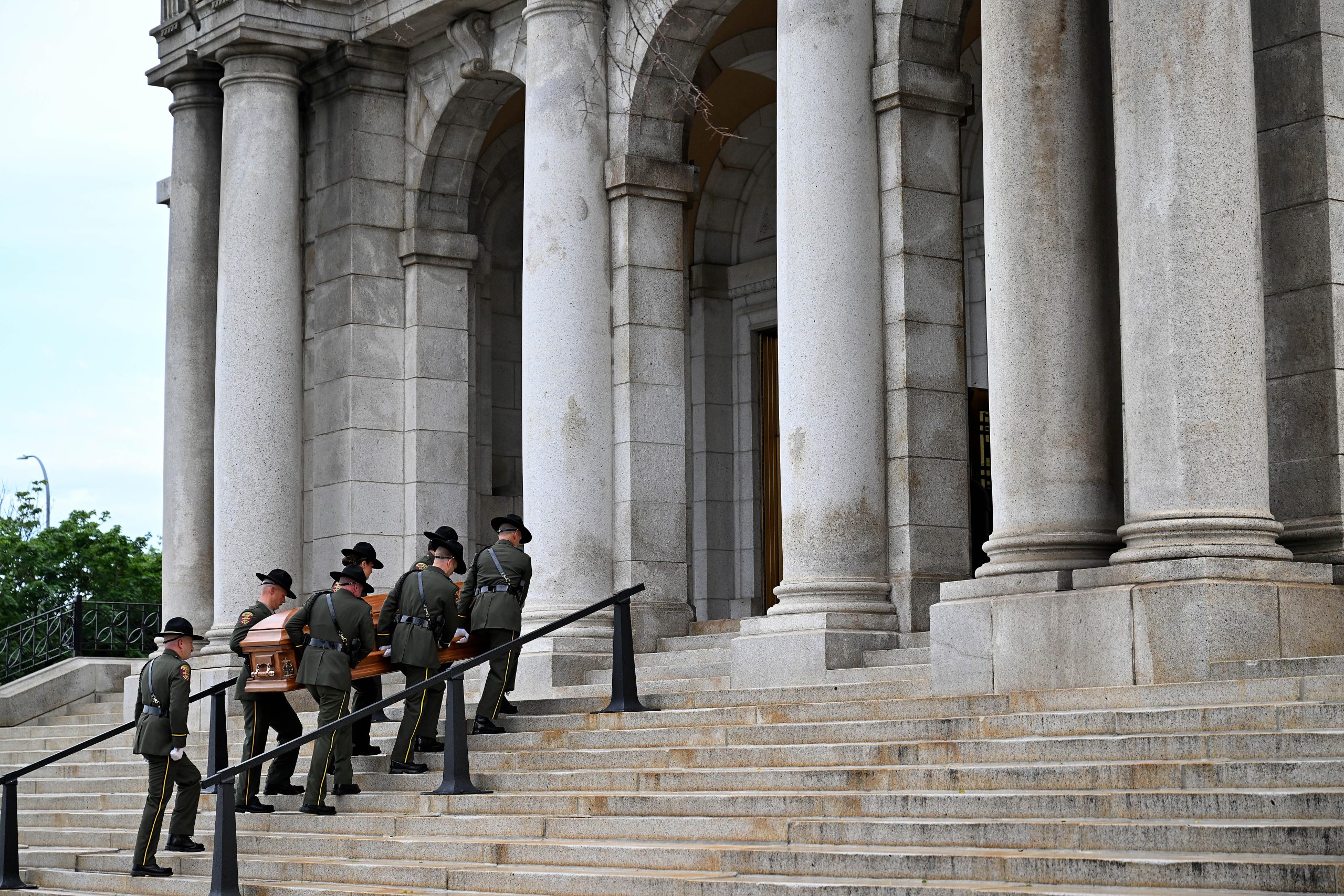
The shadow of violence has cast a chilling effect on the aspirations of young Americans looking to enter public service. A brutal attack on Minnesota lawmakers last year, which resulted in the death of State Rep. Melissa Hortman and injuries to State Sen. John Hoffman, sent shockwaves through the political landscape. This “night of terror,” which federal prosecutors revealed was part of a broader assassination plot targeting elected officials, underscored a terrifying reality: the potential for real-world danger in the pursuit of civic duty.
The fear was palpable, amplified months later by the fatal shooting of conservative student political organizer Charlie Kirk at a campus event. As images of his murder spread rapidly across social media, young, politically active individuals were left questioning the safety of their own participation in civic life. This growing apprehension suggests a significant deterrent for the next generation considering a career in politics.
The Deterrent of Danger
The incidents in Minnesota and at the campus event serve as stark, visceral reminders of the risks involved in political engagement. For young people, who may already be navigating the early stages of their careers and personal lives, the prospect of becoming targets of violence or harassment can be an overwhelming barrier. This fear isn’t just about personal safety; it extends to the potential for reputational damage, the impact on their families, and the constant scrutiny that comes with public office. The ease with which violent acts are shared and amplified online further exacerbates these anxieties, creating a distorted perception of constant threat for those considering public service. This psychological toll can be significant, pushing many to opt for safer, less visible avenues for their activism and leadership.
Shifting Landscape of Civic Engagement
Beyond the immediate threat of violence, the contemporary political climate itself can be a disincentive. The hyper-partisan nature of today’s discourse, the relentless online attacks, and the often unforgiving nature of public scrutiny can be particularly daunting for younger individuals who may not have the same established support systems or thick skin developed over years in the public eye. The expectation to be constantly “on” and to navigate complex, often emotionally charged issues under the glare of constant media and public attention can be exhausting. This environment may lead young people to believe that their voices, though passionate and informed, are more likely to be drowned out by negativity or dismissed as naive, rather than being valued for fresh perspectives.
The Urgent Need for a Safer Path Forward
The implications of a shrinking pool of young political aspirants are profound for the future of democratic representation. If the next generation is deterred from entering public service due to fear and an unwelcoming environment, the policy decisions that shape their future will be made by those who may not fully grasp their unique challenges and perspectives. Addressing this growing apprehension requires a multi-faceted approach. It necessitates enhanced security measures for elected officials and public figures, coupled with a concerted effort to foster a more civil and respectful political discourse. Furthermore, educational institutions and civic organizations must play a crucial role in equipping young people with the resilience and tools needed to navigate the complexities of public life, while also advocating for systemic changes that prioritize safety and inclusivity in the political arena. Without these interventions, the vital energy and innovation that young people can bring to governance risk being lost, to the detriment of society as a whole.
Based on materials: Vox



