
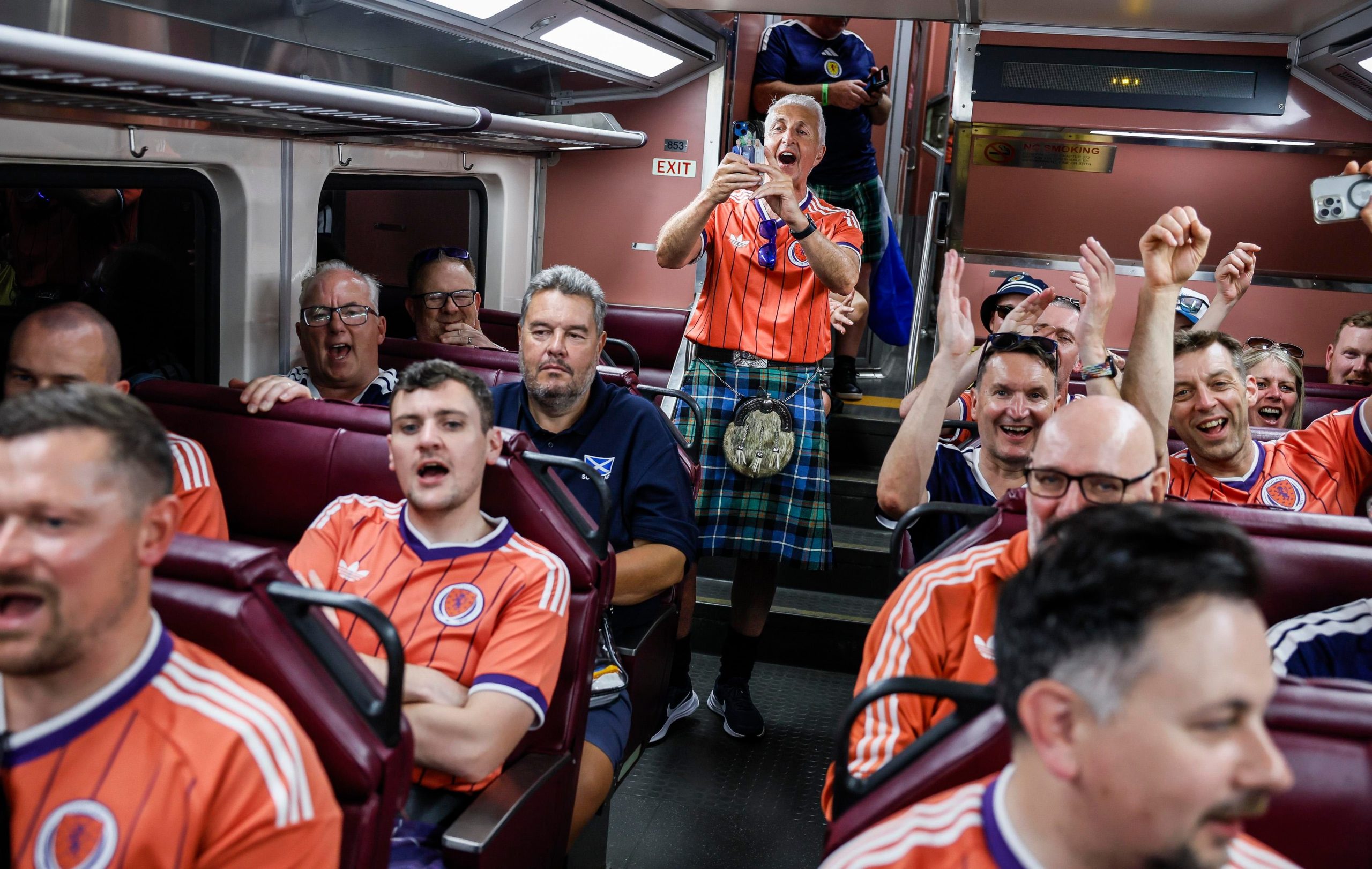
The recent World Cup, a global spectacle that captivated millions, unexpectedly illuminated a surprising aspect of American life: the state of its public transportation. While the United States might be famously indifferent to soccer, its deep-seated car culture and the resulting underdevelopment of public transit systems have long set it apart from other developed nations. This anomaly was starkly highlighted by the very way Americans celebrate sporting events – the ubiquitous “tailgate.”
The Tailgate: A Symbol of Car Culture
In the US, the ritual of attending major sporting events often involves driving large vehicles to expansive, often suburban, stadiums. There, fans engage in the time-honored tradition of tailgating, a pre-game celebration characterized by grilling and socializing in vast, asphalt parking lots. This practice underscores a national reliance on personal vehicles, a dependence so profound that the average American spends a significant portion of their year behind the wheel. Despite having more cars than people, major American cities lag far behind their international counterparts in terms of the availability of trains and buses per capita.
A Global Anomaly with Real-World Consequences
This aversion to robust public transit isn’t just a cultural quirk; it carries significant real-world consequences. The article points out that Americans are more than twice as likely to die in car accidents compared to Europeans, and nearly five times more likely than individuals in other countries. This disparity can be directly linked to the extensive reliance on personal vehicles and the often inadequate infrastructure supporting alternative modes of transportation. The World Cup, by bringing international fans and their diverse travel habits to American soil, inadvertently offered a comparative lens, showcasing the stark differences in mobility and safety.
A Call for Change?
While the World Cup might have been the catalyst for this observation, the underlying issue of public transit in the US is a long-standing one. The convenience and perceived necessity of personal cars have, for decades, overshadowed the development of efficient, accessible, and equitable public transportation networks. However, as urban populations grow and concerns about environmental sustainability and road safety intensify, the limitations of this car-centric model are becoming increasingly apparent. The unexpected spotlight cast by a global sporting event on this domestic issue may serve as a subtle, yet powerful, prompt for a broader conversation about investing in and prioritizing public transit for the future.
SOURCE: Vox
Based on materials: Vox



