
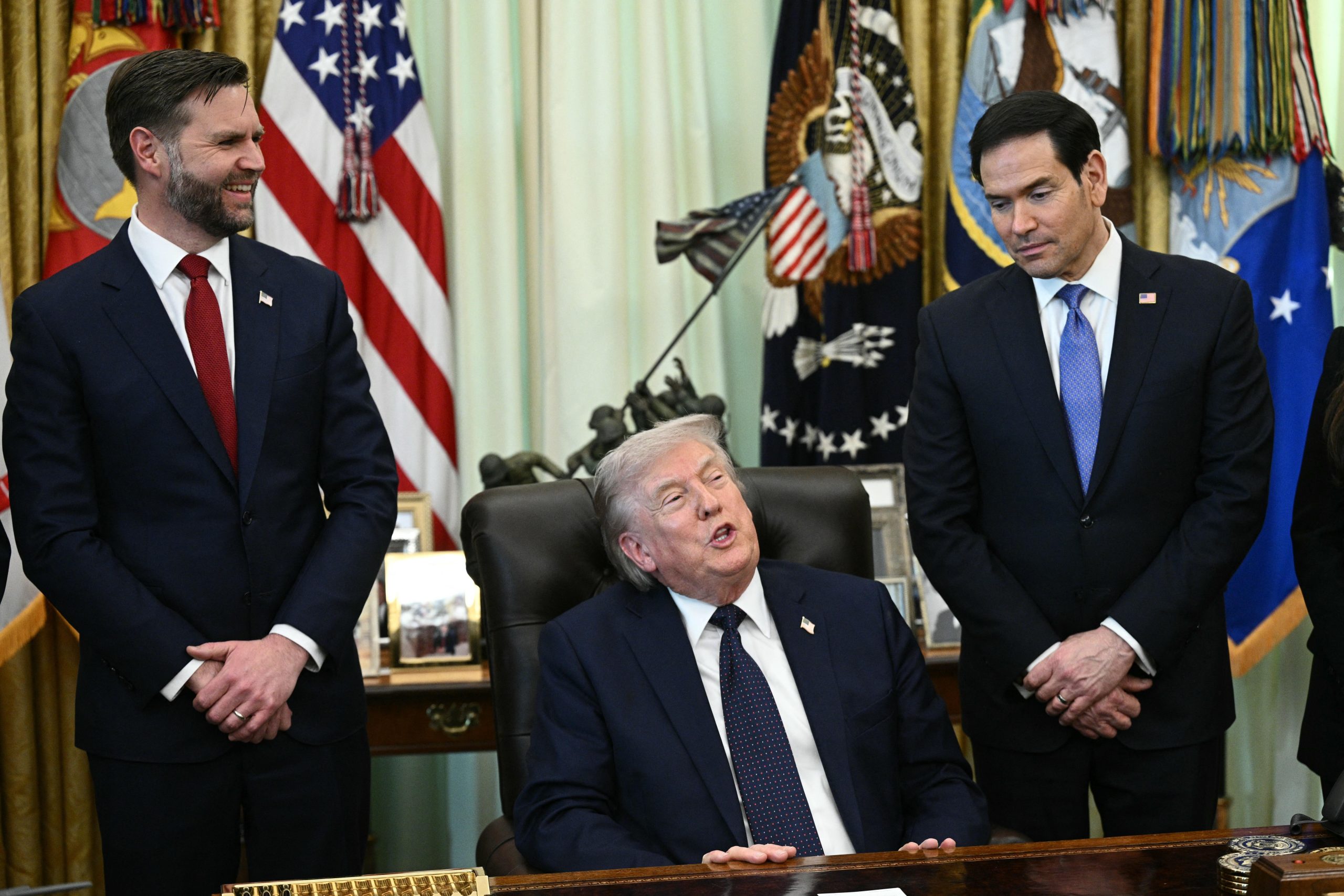
The quest to inherit the MAGA movement, a pivotal battleground within the Republican Party, is increasingly centering on Vice President J.D. Vance and Secretary of State Marco Rubio. However, the path to securing Donald Trump’s endorsement, and by extension, the party’s future leadership, is far from guaranteed for Vance, despite initial perceptions.
New insights from conversations with veteran Trump chronicler Maggie Haberman, co-author of “Regime Change: Inside the Imperial Presidency of Donald Trump,” reveal a complex and fluid political landscape. While Vance is often viewed as the frontrunner to succeed Trump, this position is far from secure. Haberman suggests that Vance’s current standing is a matter of perception rather than a solidified inevitability, indicating that the race to capture the essence of Trumpism is still very much in play.
Trump’s Strategic Ambiguity
A key takeaway from the analysis is Donald Trump’s deliberate strategy of maintaining ambiguity regarding his preferred successor. This approach serves multiple purposes, allowing him to retain influence and keep potential rivals guessing. By not definitively anointing a successor, Trump can leverage the anticipation and jockeying for his favor to his own advantage, ensuring continued loyalty and attention from various factions within the party. This “succession war,” as described, is not merely about identifying a future leader, but about Trump’s continued mastery of political theater and his ability to dictate terms even from a position outside of the presidency. The article hints at Trump’s active, albeit indirect, role in shaping this unfolding narrative, keeping all contenders on edge.
Vance’s Precarious Position
The narrative surrounding J.D. Vance’s presumed dominance in the race to inherit Trump’s political legacy warrants closer scrutiny. While he may currently be perceived as the leading contender, this perception is fragile. The Republican Party’s dynamics, particularly concerning Trump’s influence, are highly volatile. Vance’s ability to consolidate support and effectively embody the MAGA ethos will be crucial. However, the competition from figures like Marco Rubio, and potentially other emerging candidates, means that Vance cannot afford complacency. His success hinges on navigating Trump’s unpredictable endorsements and solidifying his own base of support, a task that requires more than just being Trump’s current favored option. The future of the GOP’s leadership remains a captivating saga, with significant implications for American politics.
In conclusion, the scramble for the mantle of Trump’s political movement is far from settled. While J.D. Vance may appear to be in a commanding position, the intricate web of Trump’s strategic maneuvering and the competitive landscape among potential successors like Marco Rubio suggest that the outcome remains uncertain. The “succession wars” are a testament to Trump’s enduring impact on the Republican Party, and his deliberate ambiguity ensures that the race to inherit his influence will continue to be a focal point of political intrigue.
Based on materials: Vox



