
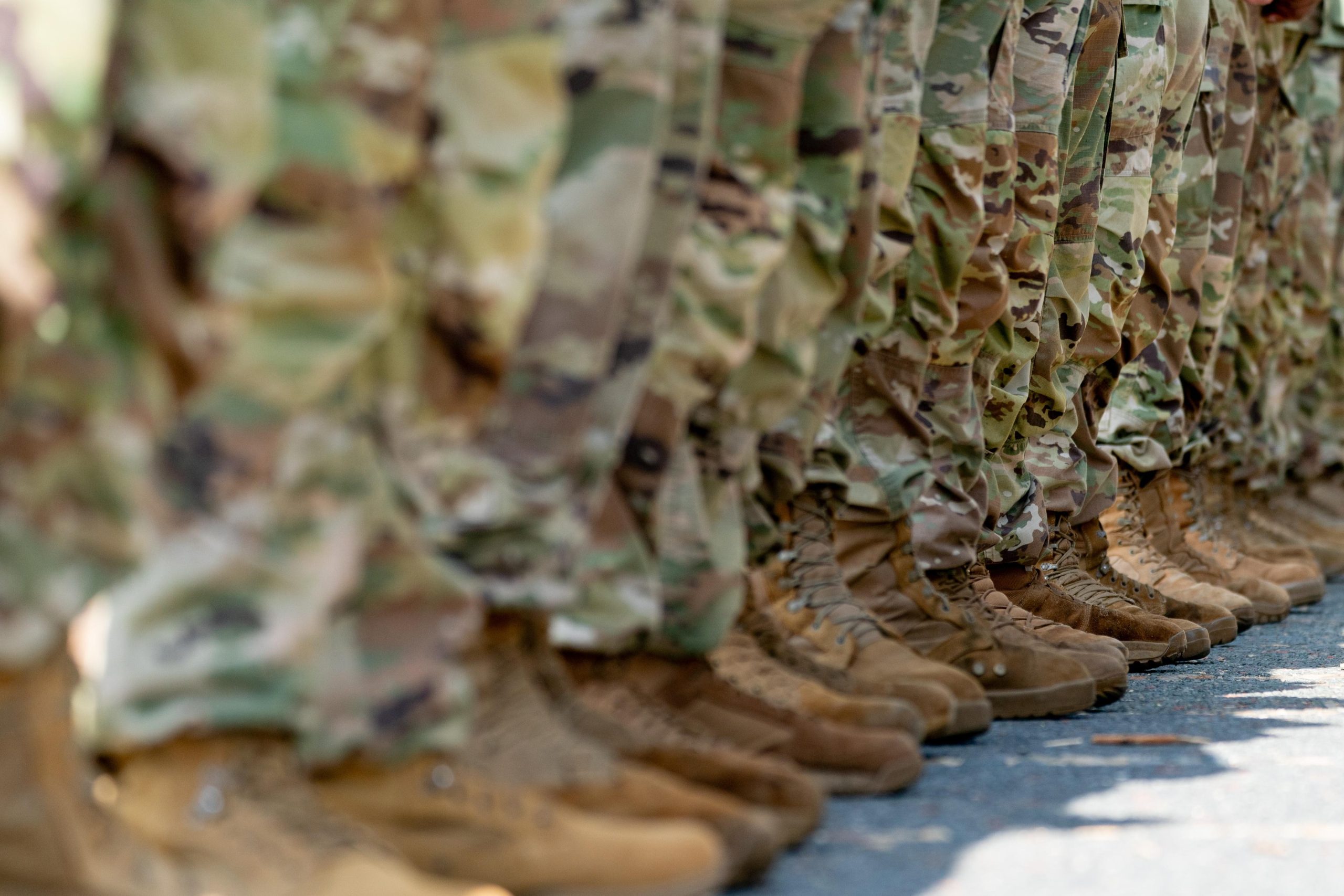
The U.S. military is embarking on a new initiative to potentially enhance the combat readiness of its service members by measuring testosterone levels in individuals over the age of 30. Defense Secretary Pete Hegseth announced this week that the Pentagon will incorporate testosterone testing into routine annual physicals. For those found to have low levels, the option of testosterone replacement therapy will be made available.
Hegseth framed the policy not as an artificial enhancement, but as a means to “restore and optimize your natural capabilities, protecting your longevity, and ensuring you have the biological foundation required to sustain the fight.” This move reflects a broader trend within Hegseth’s leadership at the Department of Defense, which has seen a deliberate rebranding towards a more aggressive “warrior” ethos. Critics point to this policy as another instance of what they describe as performative masculinity, particularly in light of previous actions such as rolling back diversity, equity, and inclusion initiatives and reportedly hindering promotions for women.
A Shift in Military Focus?
The Pentagon’s decision to focus on testosterone levels as a potential factor in military readiness is a departure from traditional approaches. While physical fitness and mental resilience have always been paramount, the explicit inclusion of hormone levels suggests a deeper dive into the biological underpinnings of soldier performance. This initiative raises questions about how the military defines and measures “readiness” in the 21st century, and whether such biological interventions are the most effective or appropriate path forward.
Proponents argue that optimizing hormone levels could lead to improved energy, focus, and physical endurance, all critical attributes for military personnel. The idea is to ensure that service members are operating at their peak biological potential, thereby enhancing their ability to perform demanding tasks and withstand prolonged operational stress. The emphasis on “restoring and optimizing natural capabilities” is intended to assuage concerns about creating an artificially enhanced fighting force, instead focusing on bringing individuals back to a baseline of optimal health.
Concerns and Controversies
However, the initiative is not without its critics. The timing and framing of the policy, coinciding with Hegseth’s emphasis on a more aggressive “warrior” culture, have drawn scrutiny. Detractors suggest that this focus on testosterone could be perceived as an attempt to reinforce traditional notions of masculinity within the military, potentially at the expense of inclusivity. The rollback of DEI initiatives and the blocking of promotions for women, as cited by some observers, fuel these concerns, suggesting a broader ideological agenda at play.
Furthermore, questions arise about the long-term efficacy and potential side effects of widespread testosterone replacement therapy within a military context. While generally considered safe when medically supervised, the application to a large, diverse population of service members warrants thorough research and careful consideration. The military will need to establish clear guidelines and robust monitoring protocols to ensure the health and well-being of those who opt for or are recommended this therapy. The debate is likely to continue as the Pentagon explores this novel approach to military preparedness.
Based on materials: Vox



