
President Trump’s dual foreign policy gambits are facing significant headwinds, with the prolonged conflict in Iran casting a long shadow over earlier perceived successes. The administration’s assertive approach, once seemingly validated by events in Venezuela, now appears to be encountering the harsh realities of complex geopolitical situations.
Iran’s Unyielding Stance Frustrates White House
The White House has formally acknowledged a prolonged military engagement in Iran, a stark departure from the President’s initial optimistic projections. What was expected to be a swift resolution, potentially lasting only weeks, is now entering its sixth month and shows no signs of immediate de-escalation. This protracted conflict is reportedly causing considerable frustration within the administration, particularly regarding Iran’s refusal to fully comply with demands to reopen the Strait of Hormuz. President Trump has likened Iran’s resilience to that of a formidable boxer, noting that “You think you have them beat, and then all of a sudden he comes back and he gives you a shot.” This analogy suggests a growing recognition of Iran’s ability to withstand pressure and adapt to the administration’s strategy.
The Venezuelan Playbook: A Double-Edged Sword?
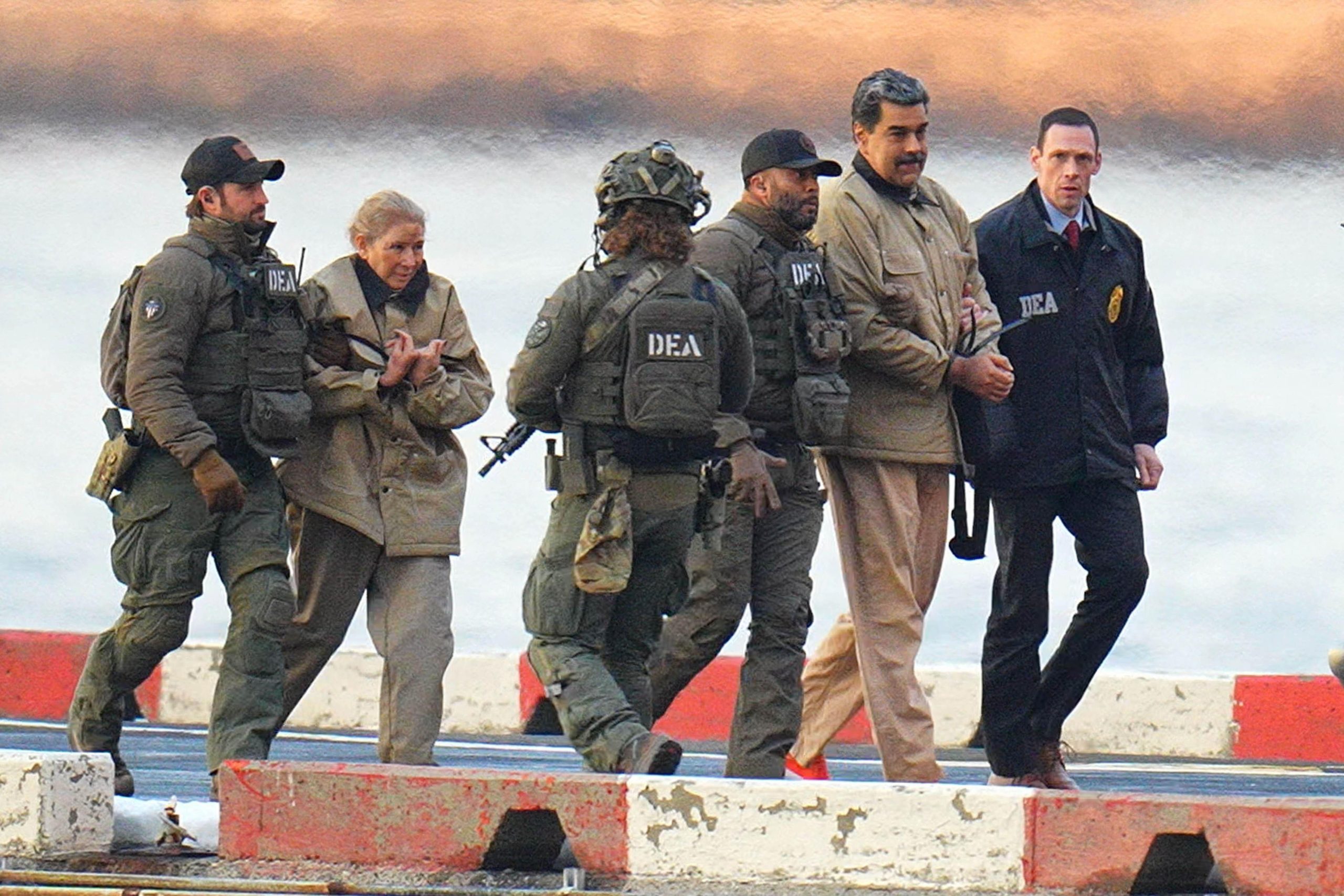
The narrative surrounding Venezuela offers a critical point of comparison. In early January 2026, the detention of Nicolás Maduro and his wife, Cilia Flores, upon their arrival in New York, escorted by federal agents, was widely interpreted as a significant foreign policy victory for the Trump administration. This event, featuring a dramatic visual of high-profile figures in custody, seemingly underscored the efficacy of a forceful and decisive approach. However, the current difficulties in Iran raise questions about whether the perceived success in Venezuela was a unique circumstance or if the strategies employed there are applicable to vastly different geopolitical landscapes.
The Venezuelan situation involved a complex interplay of internal political dynamics and international pressure, culminating in a dramatic apprehension. This outcome, while visually striking, may have inadvertently fostered an overconfidence in the administration’s ability to achieve swift and decisive outcomes in other challenging arenas. The Iranian conflict, by contrast, involves a more entrenched state actor with different historical, cultural, and strategic considerations. The “boxing match” metaphor employed by the President hints at a dawning realization that Iran is not succumbing to the same pressures that may have influenced the Venezuelan leadership.
Lessons Unlearned or Misapplied?
The starkly contrasting trajectories of these two foreign policy endeavors highlight a crucial journalistic and analytical point: the limitations of applying a single strategic playbook across diverse international contexts. While the Venezuelan operation might have offered a tempting narrative of swift, decisive action and tangible results, the ongoing struggles in Iran suggest that such an approach may be insufficient, or even counterproductive, when dealing with more resilient and strategically sophisticated adversaries. The administration’s challenge now lies in recalibrating its strategy in Iran, moving beyond what may have been a triumphant but potentially oversimplified interpretation of its earlier success. Failure to adapt could lead to further entanglement and diminished credibility on the global stage.
SOURCE: Vox
Based on materials: Vox



