
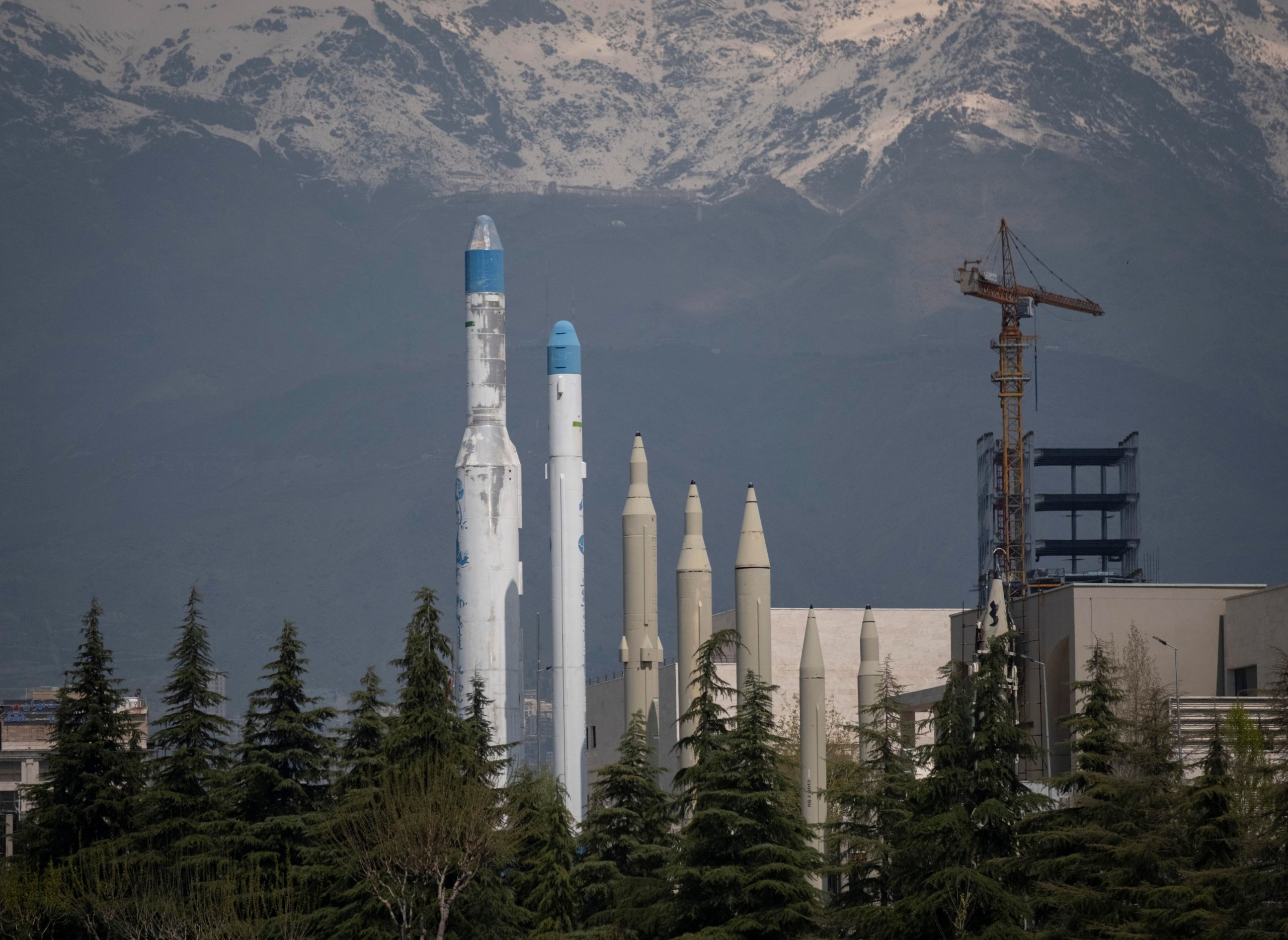
As geopolitical tensions simmer and diplomatic channels appear to freeze, the long-standing conflict between the United States and Iran continues to cast a long shadow. While discussions of regime change persist among US and Israeli officials, President Donald Trump has reportedly expressed significant reservations about deploying American ground forces into Iran. The specter of substantial US casualties and the potential re-ignition of a war many Americans have distanced themselves from, despite their opposition, looms large. However, this reluctance does not guarantee the safety of American troops already engaged in the region. Recent days have witnessed the most significant losses for US forces since an initial ceasefire was established in April, underscoring the volatile nature of the ongoing conflict.
Escalating Casualties Amidst Stalled Diplomacy
The fragile peace has been shattered by a recent missile strike on a base in Jordan, which claimed the lives of two US servicemembers. This tragic incident marks the second such attack in a short period, highlighting the persistent threats faced by American personnel. The escalating casualties occur against a backdrop of collapsing diplomatic talks, leaving many to question the efficacy of current strategies. The scenario suggests that Iran, despite external pressures and internal challenges, may possess a greater capacity for sustained resistance and retaliation than previously assessed by some international observers. This resilience, whether born from strategic planning or sheer determination, complicates any attempts at a swift resolution and raises the stakes for all parties involved.
Beyond Conventional Warfare: Iran’s Strategic Depth
The nature of the recent attacks, involving missile strikes, points towards Iran’s continued development and deployment of asymmetric warfare capabilities. These tactics, often employed by nations seeking to counter more powerful adversaries, allow for significant disruption and cost imposition without necessarily engaging in direct, large-scale conventional conflict. The reported reluctance of the US to commit ground troops, coupled with the effectiveness of these missile strikes, suggests a strategic dilemma. Iran’s ability to inflict casualties and maintain pressure on US forces, even without a full-scale invasion, forces a reevaluation of its military posture and strategic depth. This situation demands a nuanced understanding, moving beyond simple assumptions of overwhelming military superiority and acknowledging the complexities of regional power dynamics.
A New Calculus for Regional Stability
The current trajectory of US-Iran relations, marked by stalled diplomacy and increasing US casualties, necessitates a recalibrization of expectations and strategies. The apparent resilience of Iran in the face of intense pressure suggests that a purely confrontational approach may be insufficient, and perhaps even counterproductive. The risk of broader escalation, with unpredictable consequences for regional and global stability, remains a significant concern. As the international community watches, the evolving situation in the Middle East demands a deeper analysis of Iran’s capabilities and motivations, and a renewed focus on diplomatic solutions that acknowledge the intricate realities of power and influence in the region. The recent events serve as a stark reminder that the conflict is far from over, and its future remains uncertain.
Based on materials: Vox



