
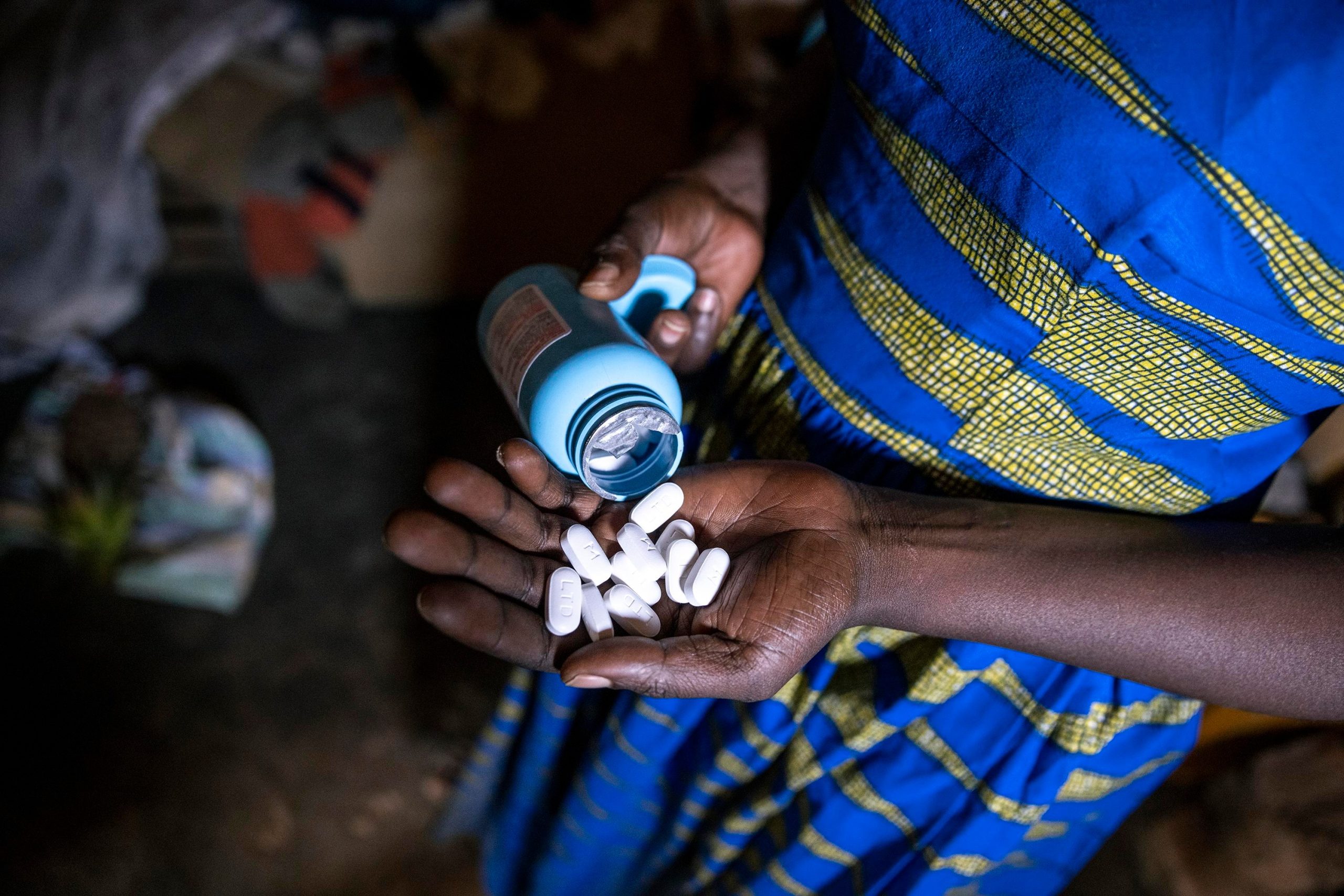
The global fight against HIV, once a bipartisan beacon of American humanitarianism, is increasingly entangled in the nation’s escalating culture wars. What began as a bold, ambitious initiative under President George W. Bush has, in recent years, seen its foundational principles and funding become subjects of intense political debate, impacting everything from condom access to life-saving HIV prevention medication and testing.
A Legacy of Global Health Leadership
In 2003, with the world grappling with the devastating impact of the HIV/AIDS epidemic, particularly in sub-Saharan Africa, the United States launched the President’s Emergency Plan for AIDS Relief (PEPFAR). This landmark program, injecting $15 billion into the global fight, was unprecedented in its scale and ambition. At the time, millions were dying and millions more were being infected annually. Bush’s initiative was lauded as a moment of profound global responsibility, a testament to America’s capacity for impactful humanitarian intervention. For two decades, PEPFAR has been credited with saving an estimated 25 million lives, a staggering achievement that solidified its place as a cornerstone of U.S. foreign policy and global health diplomacy.
Shifting Ideologies, Shifting Priorities
However, the landscape has shifted dramatically. Under the Trump administration, PEPFAR’s operations and funding became a focal point for conservative political agendas. Reports emerged of the administration seeking to restrict funding to organizations that provided or promoted abortion services, even if those services were unrelated to HIV prevention or treatment. This ideological entanglement signaled a departure from the program’s singular focus on disease eradication, introducing a divisive social agenda into a critical public health initiative. Furthermore, there were attempts to redirect funds away from comprehensive sex education that included information on contraception and safe sex practices, prioritizing abstinence-only approaches that public health experts widely criticize as ineffective.
The Culture War’s Reach: Condoms, PrEP, and Testing
The ramifications of this ideological intrusion extend to the very tools of HIV prevention. Discussions around condom distribution have become politicized, with some factions advocating for their removal from PEPFAR-funded programs in favor of abstinence-only messaging. Similarly, the promotion and accessibility of Pre-Exposure Prophylaxis (PrEP), a highly effective medication for preventing HIV infection, have faced resistance from certain conservative groups who view it as encouraging promiscuity. Even basic HIV testing, a critical component of early detection and treatment, has been subject to scrutiny, with concerns raised about the potential for politicized oversight or funding redirection. This broader cultural conflict threatens to undermine decades of progress, potentially jeopardizing the health and lives of vulnerable populations worldwide who rely on these essential services. The future of PEPFAR, and its ability to continue its life-saving mission, now hinges on navigating these complex political and social currents, a stark reminder that global health can be profoundly affected by domestic ideological battles.
SOURCE INFORMATION:
TITLE: How the culture war came for condoms, PrEP, and HIV testing
DESCRIPTION: If the US wanted to be the world’s police officer, then why not try to be its doctor too? Just two months before the invasion of Iraq in 2003, George W. Bush announced an ambitious plan to pump $15 billion into the global fight against HIV, stunning his allies in Congress, health advocates, and heads […]
CONTENT: The Trump administration | Arlette Bashizi/The Washington Post If the US wanted to be the world’s police officer, then why not try to be its doctor too? Just two months before the invasion of Iraq in 2003, George W. Bush announced an ambitious plan to pump $15 billion into the global fight against HIV, stunning his allies in Congress, health advocates, and heads of state of the program’s intended beneficiaries. The President’s Emergency Plan for AIDS Relief, or PEPFAR, was the largest commitment by any nation in history dedicated to addressing a single disease, a disease that killed about 3 million people in 2003, most of them living in sub-Saharan Africa, and infected 5 million more. “Ladies and gentlemen,” Bush proclaimed in his State of the Union address that year, “seldom has history offered a greater opportunity to do so much for so many.” On that, he was right. In the two decades to follow, PEPFAR would save an astounding 25 million people’s lives through
SOURCE: Vox
Based on materials: Vox



