
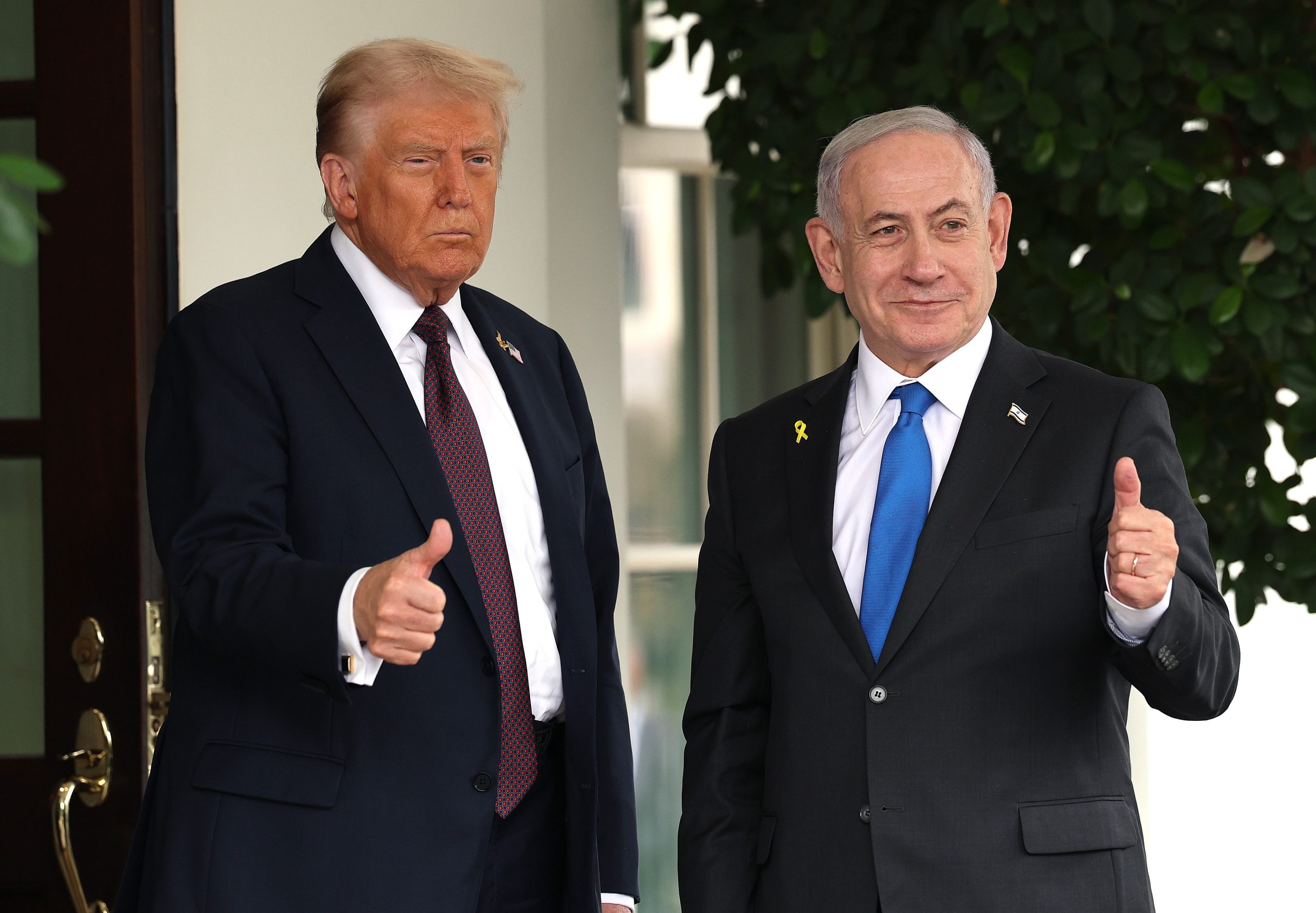
A recent civilian nuclear cooperation agreement between the Trump administration and Saudi Arabia has ignited concerns among Israeli officials, highlighting the complex geopolitical dynamics at play in the Middle East. The deal, which permits Saudi Arabia to utilize American nuclear technology for civilian power generation, carries the potential to eventually allow for uranium enrichment within the kingdom. However, the agreement faces a crucial hurdle: congressional review and the unpredictable influence of President Donald Trump’s public statements.
Initially, the announcement of the nuclear accord made no explicit link to the potential normalization of diplomatic ties between Saudi Arabia and Israel, a long-standing objective for both the U.S. and Israel. This omission, coupled with the prospect of Saudi Arabia developing uranium enrichment capabilities, has reportedly unnerved Israeli leadership. In response to these apprehensions, President Trump took to his social media platform, Truth Social, to address both issues, adding conditions to the deal that could complicate its path forward.
Geopolitical Tensions and Nuclear Ambitions
The United States has historically sought to prevent the proliferation of nuclear weapons technology in the Middle East, particularly among nations with complex regional relationships. This agreement with Saudi Arabia, while framed as purely civilian, raises questions about future intentions. The ability to enrich uranium is a critical step in the pathway to developing nuclear weapons, a capability that Israel, a nuclear-armed state itself, views with extreme caution. The lack of immediate clarity on the deal’s implications for regional stability and the potential for a nuclear arms race has undoubtedly fueled Israeli apprehension.
A Shifting Diplomatic Landscape
The timing of this controversy is particularly significant as Israeli Prime Minister Benjamin Netanyahu is scheduled to visit Washington D.C. to engage in discussions with U.S. officials. His visit offers an opportunity to directly address these security concerns and to potentially leverage the nuclear deal as a bargaining chip for further diplomatic progress between Israel and Saudi Arabia. The Trump administration’s sudden intervention on social media suggests an awareness of the delicate balance it is attempting to strike, a balance that could be easily disrupted by further public pronouncements or shifting political priorities. The administration’s move to link the nuclear cooperation to potential normalization signals a strategic effort to incentivize Saudi Arabia towards broader regional peace initiatives, but the execution and reception of this strategy remain uncertain.
Conclusion: An Uncertain Path Ahead
The Saudi nuclear deal, while presented as a step towards civilian energy development, has quickly become a focal point of regional geopolitical maneuvering. The concerns voiced by Israel, coupled with President Trump’s direct involvement, underscore the inherent complexities of nuclear non-proliferation and the intricate web of alliances and rivalries in the Middle East. As the agreement navigates congressional scrutiny and faces the unpredictable currents of presidential pronouncements, its ultimate impact on regional security and the prospects for Israeli-Saudi normalization remains a subject of intense observation and debate. The coming weeks will likely reveal whether this controversial deal can be steered towards a stable and secure outcome for all parties involved.
Based on materials: Vox



