
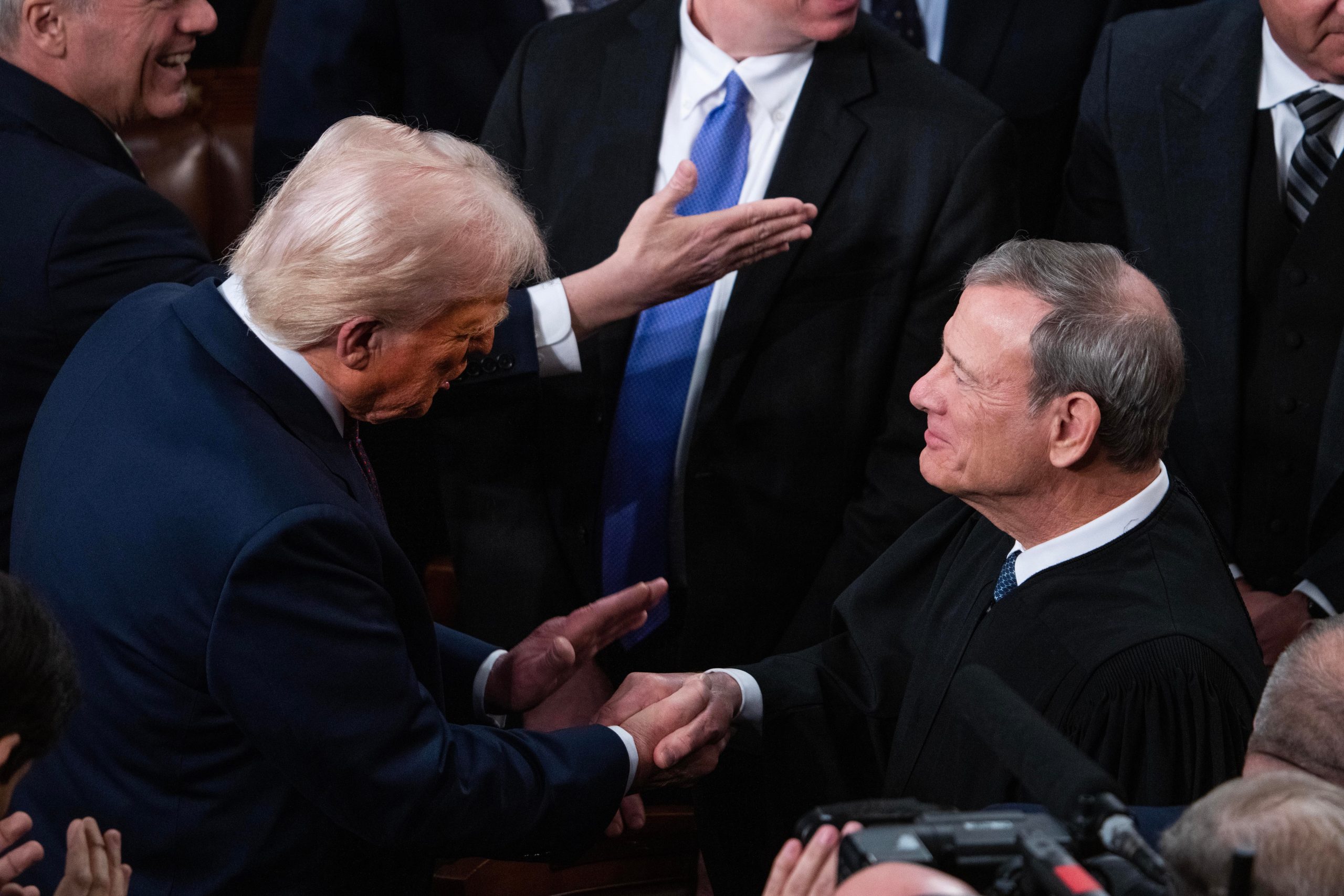
The Supreme Court is now grappling with a pivotal case that could reshape the landscape of American elections, as President Donald Trump seeks unprecedented unilateral authority to dictate election law. At the core of the dispute,
Trump v. California
, is an executive order that critics argue is designed to undermine mail-in voting and potentially disenfranchise voters. This legal battle is part of a broader pattern of efforts by Trump and his Republican allies to restrict access to mail ballots, a strategy that raises significant concerns about election integrity and voter access.
A Challenge to Constitutional Authority
The executive order at the center of this Supreme Court case is particularly noteworthy because it asserts the President’s power to unilaterally alter federal election policy. This stands in direct contrast to the established constitutional framework, which vests the authority to set election rules primarily with Congress and individual state governments. Historically, changes to election administration have been the domain of legislative bodies or state executive branches, not executive orders issued by the President. Trump’s claim to this power represents a significant departure from precedent and has ignited intense debate about the separation of powers and the delicate balance of authority in the U.S. electoral system. Legal scholars and political observers are closely watching how the Court will navigate this challenge to established governance.
The Broader Context of Election Law Battles
This Supreme Court case is not an isolated incident; it is embedded within a larger narrative of ongoing disputes over election administration and voter access. For years, various Republican-led states have enacted legislation that has been criticized for making it more difficult for citizens to cast their ballots, particularly through mail. These efforts have frequently been framed as measures to prevent voter fraud, though proponents of expanded voting access argue they disproportionately affect minority communities and younger voters. The Trump administration’s involvement in these challenges, culminating in this direct appeal to the Supreme Court for expanded presidential power, signals a high-stakes battleground where the future of voting rights and electoral processes may be decided. The outcome of
Trump v. California
could set a precedent for presidential intervention in electoral matters for years to come.
Implications for Democracy
The potential ramifications of the Supreme Court granting President Trump the unilateral power to rewrite election law are profound. Such a decision could fundamentally alter the checks and balances that are designed to ensure fair and secure elections. It raises questions about the role of Congress and state legislatures in setting electoral rules and could embolden future administrations to exert similar executive authority. The case underscores the critical importance of judicial review in safeguarding democratic institutions and ensuring that power remains distributed according to constitutional design. As the nation awaits the Court’s decision, the integrity of the electoral process and the fundamental right to vote remain at the forefront of public concern.
Based on materials: Vox



