
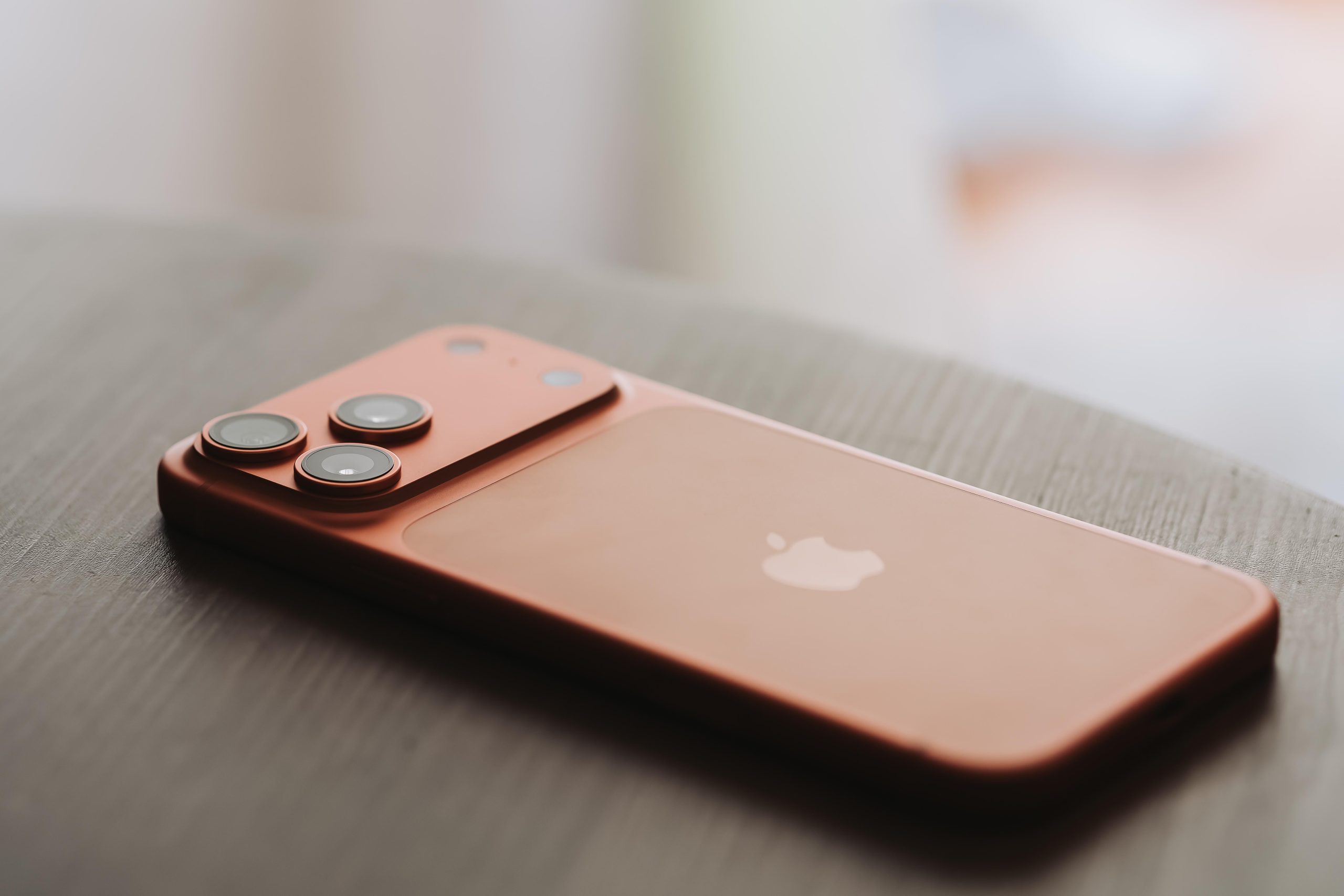
The allure of the latest iPhone is undeniable, but Apple’s new Upgrade Program is prompting a fundamental question: is leasing a device a better financial strategy than outright ownership? Initially met with skepticism, the program allows consumers to lease iPhones and MacBooks for a monthly fee, with the option to upgrade after a set period. This shift away from traditional ownership models raises eyebrows, especially when considering the premium price tags associated with Apple’s premium devices.
The “Lease-to-Own” Conundrum
At its core, the Apple Upgrade Program operates much like a lease. Customers pay a monthly installment, which often includes the cost of the device and a service plan, granting them the right to use the latest technology for a defined period, typically two years. Upon completion of this term, users are presented with a choice: purchase the device at its depreciated value or upgrade to the newest model, continuing the monthly payment cycle. This model, while offering a pathway to consistent access to cutting-edge technology, means that users might never truly “own” their iPhone in the traditional sense. Given the ever-increasing cost of flagship smartphones, projected to exceed $1,200 for models like the iPhone 17 Pro Max, and exacerbated by global chip shortages, this leasing approach presents a compelling, albeit potentially endless, financial commitment.
Rethinking Device Ownership
The traditional mindset has long favored outright ownership of consumer electronics. We accumulate old devices, often stashed away in drawers, as tangible proof of our past technological journeys. However, the Apple Upgrade Program challenges this notion. For many, the perceived value of owning an outdated phone diminishes rapidly. The rapid pace of innovation means that even a two-year-old device can feel significantly less capable compared to its successors. The program taps into this reality, offering a solution for those who prioritize having the latest features and performance without the burden of accumulating obsolete technology. This iterative upgrade cycle aligns with a consumer culture that increasingly values access and experience over long-term possession.
The Financial Equation: Access vs. Ownership
From a purely financial perspective, the “too good to be true” perception of the iPhone lease warrants careful consideration. While the monthly payments may seem manageable, the cumulative cost over several upgrade cycles could potentially surpass the price of purchasing a device outright and holding onto it for a longer duration. However, the program’s true appeal lies in its flexibility and the perceived value of consistent access to the newest technology. For individuals who consistently upgrade their devices every couple of years, the program offers a streamlined and predictable way to do so. It removes the hassle of selling old devices and allows for immediate enjoyment of the latest innovations, catering to a segment of the market that prioritizes cutting-edge features and seamless upgrades. Ultimately, the Apple Upgrade Program reframes the conversation around smartphone acquisition, shifting the focus from owning a piece of hardware to subscribing to an experience.
CONCLUSION:
Apple’s Upgrade Program presents a modern solution to the perennial desire for the latest smartphone. While the concept of leasing a device rather than owning it outright may initially feel counterintuitive, it offers a pragmatic approach for consumers who value continuous access to cutting-edge technology. The program addresses the rising costs of flagship devices and the rapid obsolescence of older models, providing a predictable and convenient pathway for frequent upgraders. However, a thorough financial analysis is crucial, as the long-term cumulative costs could potentially outweigh the benefits of outright ownership for some users. The program is a testament to the evolving consumer landscape, where access and experience are increasingly prized over traditional ownership.
Based on materials: Vox



