
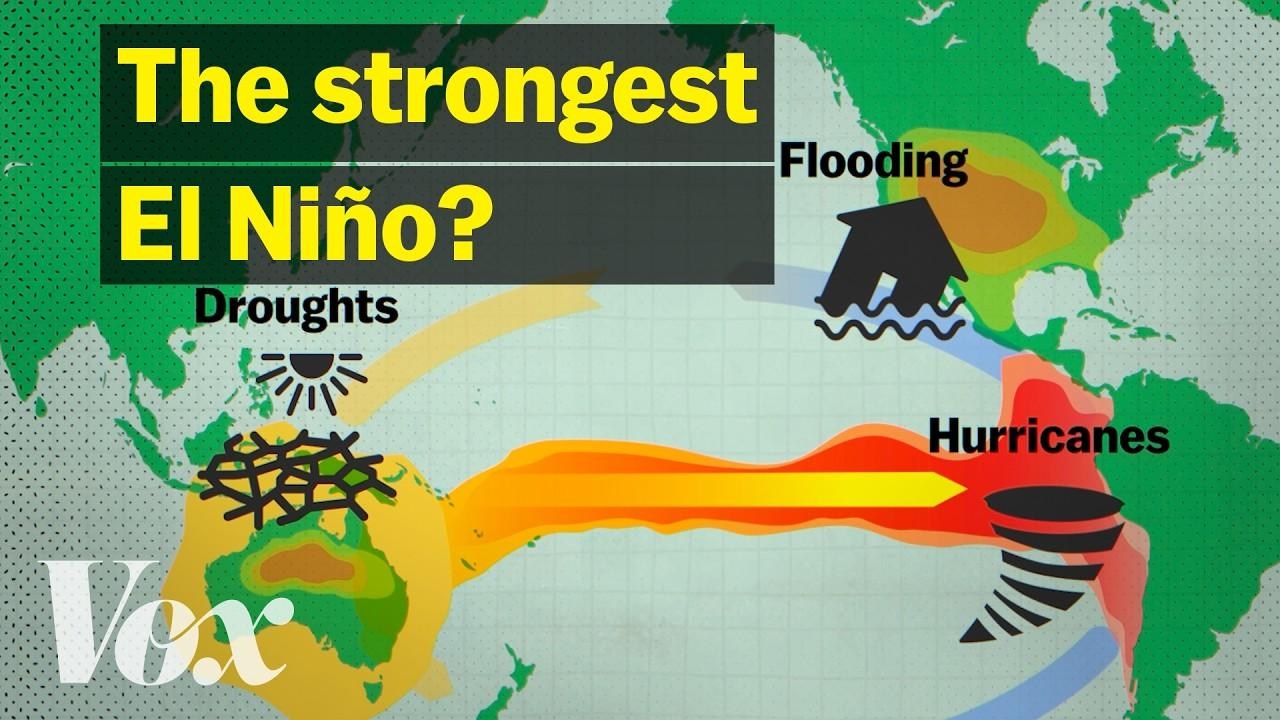
A potent El Niño, dubbed “Godzilla” by some, has officially been declared, raising alarms about potential global climate disruptions. The National Oceanic and Atmospheric Administration (NOAA) issued an advisory on June 11, following months of persistently warmer-than-average temperatures in the equatorial Pacific Ocean. While El Niño events are cyclical, occurring every two to seven years, this particular manifestation is shaping up to be exceptionally powerful.
A “Very Strong” Outlook
NOAA forecasts an 81% probability that this El Niño could escalate to a “very strong” level, potentially rivaling the severity of the historic and damaging El Niños observed in 1982-1983 and 1997-1998. The event is anticipated to reach its peak intensity between winter and early 2027, bringing with it a cascade of extreme weather phenomena. Scientists are bracing for widespread heatwaves, intensified rainfall in some regions, and a general increase in the likelihood of severe weather events across the globe.
The declaration of an El Niño advisory is not uncommon, but the projected strength of this one sets it apart. Atmospheric scientists and meteorologists are closely monitoring the situation, leveraging advanced climate models to forecast the far-reaching impacts. The confluence of these predictions points to a significant test of our preparedness for what could be the most powerful El Niño on record and the volatile weather patterns it is expected to unleash.
Understanding the Global Ripple Effect
El Niño is a complex climate pattern characterized by the unusual warming of surface waters in the eastern tropical Pacific Ocean. This warming disrupts atmospheric circulation, influencing weather patterns thousands of miles away. Typically, an El Niño brings increased rainfall and cooler temperatures to the southern United States, while causing drought in Australia and Indonesia. However, the scale and intensity of this predicted “super” El Niño suggest these impacts could be amplified and extend to a wider array of regions.
The potential for extreme weather extends beyond simple temperature and precipitation shifts. Scientists are concerned about the increased risk of more intense hurricanes in the Atlantic, altered monsoon patterns in Asia, and significant disruptions to marine ecosystems due to warmer ocean temperatures. These cascading effects can have profound implications for agriculture, water resources, and coastal communities worldwide, underscoring the need for proactive adaptation and mitigation strategies.
Preparing for the Unprecedented
The scientific community’s consensus on the potential severity of this El Niño highlights the urgent need for global awareness and preparedness. While climate models offer valuable foresight, the sheer magnitude of this event presents a unique challenge. Governments, disaster management agencies, and communities are being urged to review and enhance their emergency response plans. Understanding the potential risks, from extreme heat and drought to severe flooding and storms, is the first step in building resilience against the impacts of this extraordinary climate phenomenon. The coming months will be a critical period for observing its development and mitigating its consequences.
Based on materials: Vox



