
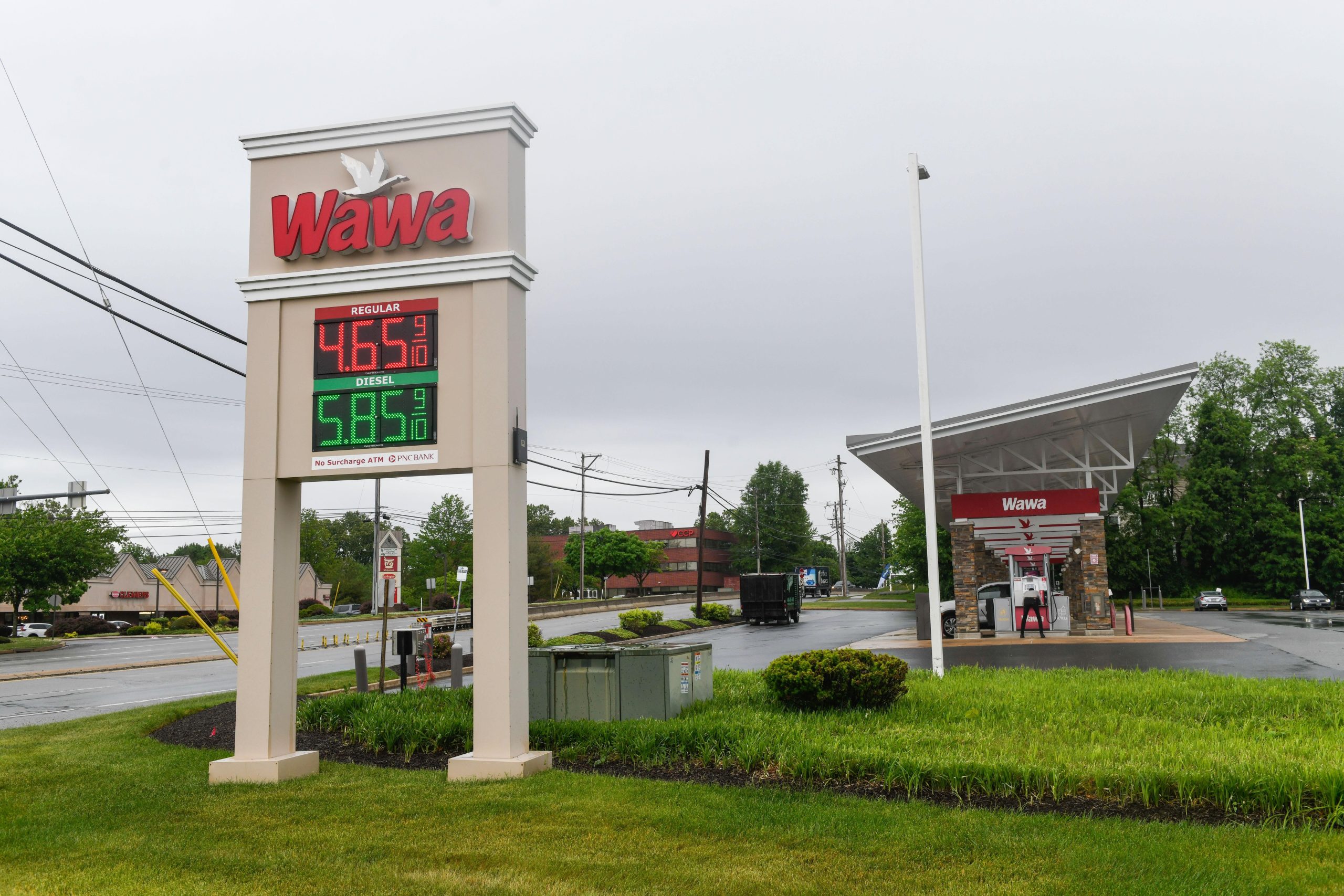
As the 2026 midterm elections loom, the persistent sting of high gas prices is resonating deeply with American voters, particularly in key swing districts. President Donald Trump’s ongoing foreign policy challenges, coupled with the economic strain of elevated fuel costs, are creating a significant electoral hurdle.
Host Astead Herndon of “America, Actually” traveled to Allentown, Pennsylvania, a pivotal district known for its electoral foresight, to gauge public sentiment. The findings were clear: the nearly $4.20 per gallon price at Pennsylvania’s pumps is not just a statistic; it’s a tangible burden affecting daily lives. Residents overwhelmingly cited the economy and the escalating cost of living as their primary concerns, with many directly attributing these pressures to President Trump’s administration.
The Ripple Effect of Rising Costs
While gas prices are a prominent concern, they represent only one facet of broader economic anxieties. Voters are also contending with the escalating costs of essential goods and services, from groceries and housing to electricity. This pervasive inflation creates a challenging landscape for households, making it difficult to manage budgets and maintain financial stability. The cumulative effect of these rising expenses amplifies the public’s dissatisfaction and directly impacts their perception of the current administration’s economic stewardship.
Gas Prices: A Political Barometer?
The question of how much sway gas prices wield in shaping electoral outcomes has long been a subject of debate. Historically, fluctuations in fuel costs have been closely watched as an indicator of public mood and a potential predictor of political shifts. For decades, the nation has navigated a complex energy landscape, marked by advancements in renewable energy, technological innovations, and evolving geopolitical dynamics. Despite these changes, the price at the pump remains a visceral and immediate concern for many Americans, directly influencing their purchasing power and their overall sense of economic well-being. As voters head to the polls, their decisions will undoubtedly be influenced by these economic realities, with the cost of gasoline standing as a potent symbol of broader financial pressures.
Looking Ahead
The current economic climate presents a significant challenge for President Trump as he seeks to maintain support heading into the crucial midterm elections. The widespread discontent over rising prices, particularly for fuel, underscores the importance of addressing consumer concerns. The administration’s ability to navigate these economic headwinds and demonstrate a path toward relief will likely play a pivotal role in shaping the political narrative and influencing the electorate’s ultimate judgment.
SOURCE: Vox
Based on materials: Vox



